

As AI becomes part of our everyday technological infrastructure, we must encourage discussion about when it should be used as a tool and when as an instrument, and about how its dual nature influences design practices, fostering collaborative, interdisciplinary dynamics aligned with the goals of human well-being. Research at the SHARE Lab empowers built environment practitioners to leverage AI's computational power for efficiency-driven tasks while also expanding exploratory and creative processes through its instrumental application, providing support and inspiration.
The research at SHARE Lab has two objectives:
1. AI as an instrument to empower creativity
2. AI as a tool for social good
Both are particular and convoluted within the umbrella topic of Human-Centered AI.
AI to Empower Creativity
______
AI to Empower Creativity ______

-From Midden to Modularity- The Nature-based Nomadic Pavilion, initially conceived in response to conditions at Betz Tiger Point Preserve in Jacksonville, Florida, is a research-driven prototype proposal that rethinks resilience in digital design and fabrication by prioritizing temporality through adaptability and ecological integration. Inspired formally and materially by the hut typology of the Timucua people of North Central Florida that historically occupied the site, the pavilion also incorporates nomadic Mongolian yurt strategies for portability. The project considers how architecture can employ computational design and digital fabrication to reinterpret indigenous spatial and material knowledge while simultaneously adopting temporality and migration as primary resilient design strategies in response to imminent climate emergencies and natural disasters.
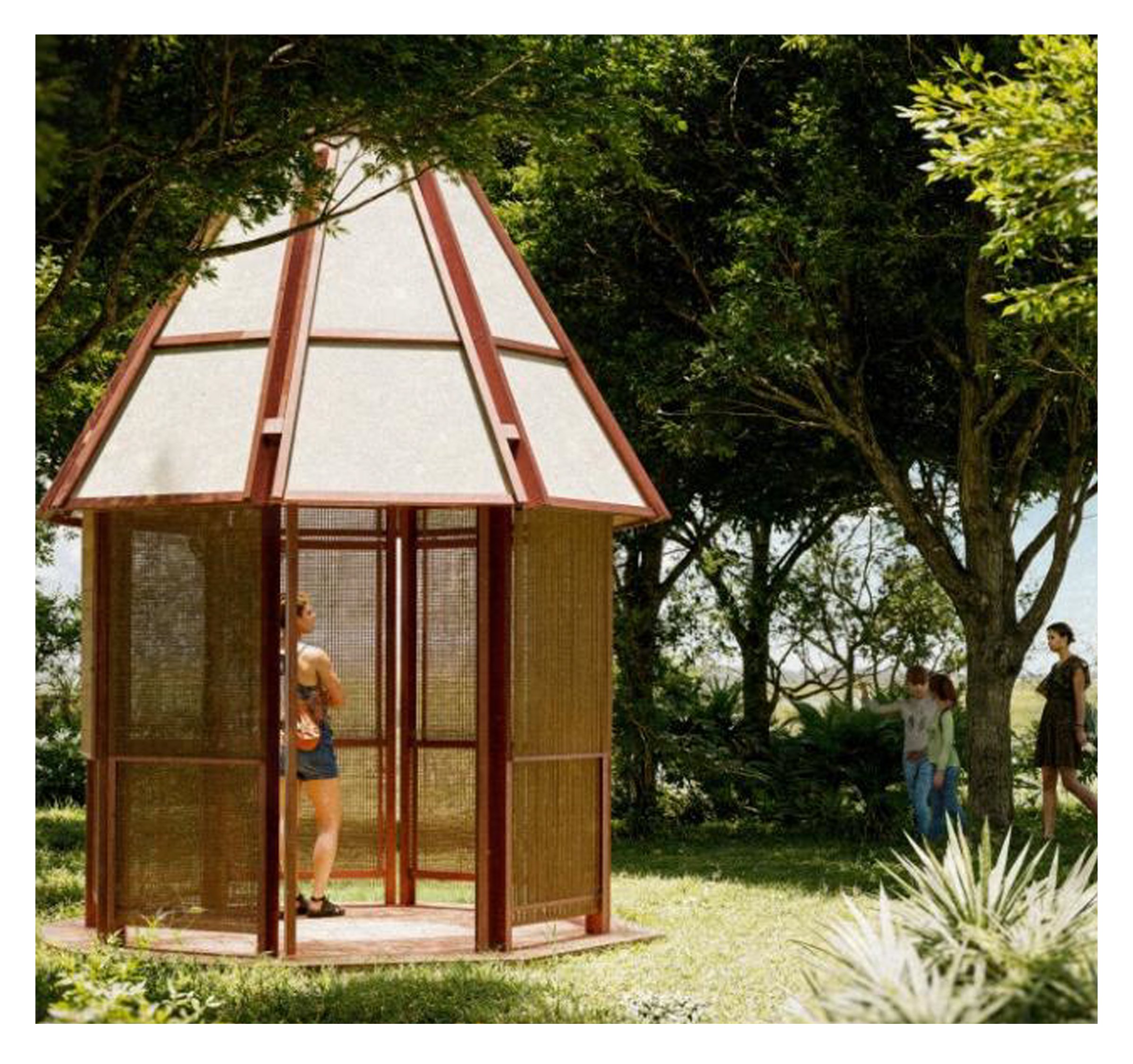
-Digital Crafting- This project explores how an architecture informed by indigenous building practices and technologies can address the need to adapt today’s design priorities and processes for climate change, coastal erosion, and flooding. The pavilion design demonstrates a fusion of experimental natural materials and modern architectural processes in a resilient, site-responsive, rapidly constructed, and affordable kit-of-parts. The project asks architecture and engineering professionals to consider in their own work hazard response and mobility as their primary design and to explore local materials as an opportunity for invention.
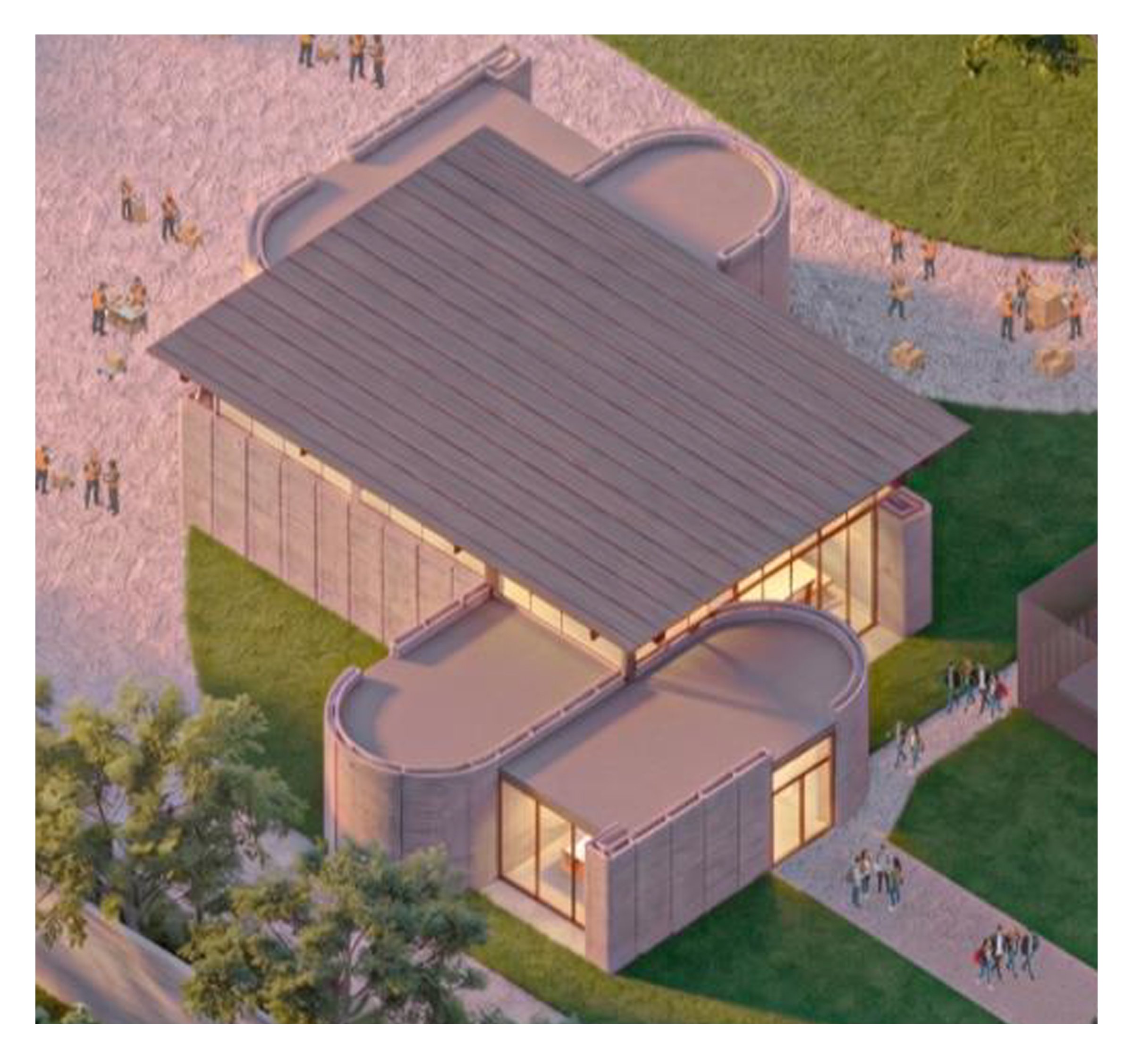
-From Material to Assembly- This project proposes a building that embodies industrialized construction principles by integrating a systematic design–to–construction pipeline that advances research and education on industrialized construction practices. The building’s program is organized around six key stages: loading, learning, programming, assembly, experimentation, and exhibition, spatially reflecting the progression from material selection and storage to algorithm development, full-scale fabrication, scientific testing, and communication. Through interdisciplinary academic work, including computational and structural design of wall systems, development of path-generation algorithms for robotic fabrication, and large-scale 3D Concrete Printing (3DCP), the project establishes a repeatable design-to-fabrication framework for industrialized construction.
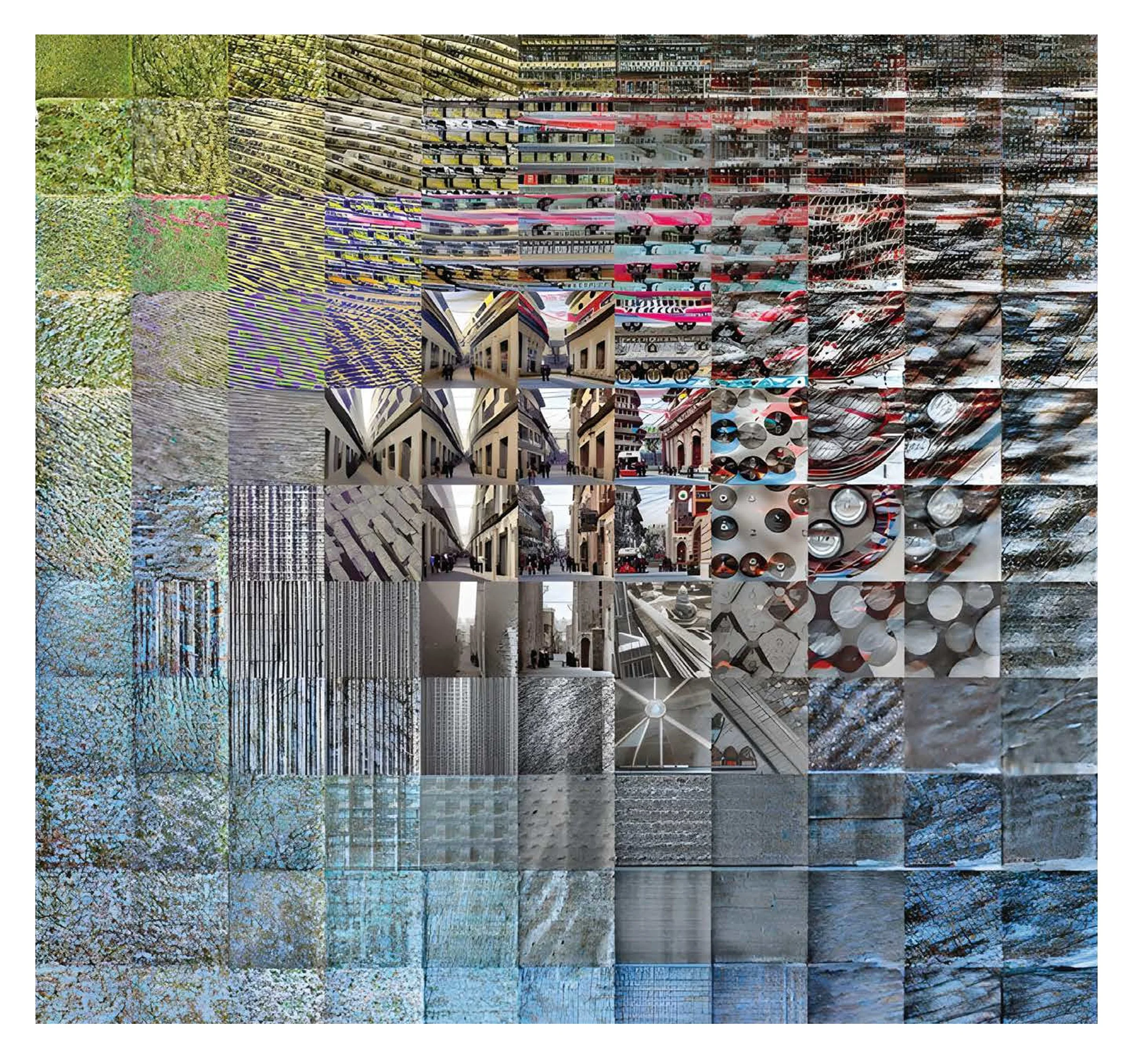
-Expanding the Space of Probabilities- This chapter introduces two interdisciplinary workflows: one that integrates artificial intelligence (AI) to enhance students’ understanding of site and design potential, and the other that employs a digital collage, using manually acquired data for a hand-crafted approach to design. After exploring projects in highly populated cities to test these two approaches, the chapter concludes with reflections on the application of these innovative methods to architectural education. Both workflows are attuned to the history and relationships of humans and machines, a “Harmony in Co-Creation” that encourages readers to consider semi-autonomous and non-autonomous design strategies as a natural continuation of foundational methods and past technological introductions instead of a threat to the profession.

-Customize3DForm- This paper introduces a ML-assisted system for creating a customizable 3D form generator that adjusts specific model elements based on text input. The system combines a parametric generator, an eye-tracker, and a web interface to create a dataset of 3D models and collect subjective feedback to classify model elements based on design characteristics (e.g., beauty, ugly) and formal attributes (e.g., strong, light). Leveraging culturally influenced design languages, humans and AI can collaborate closer. This synergy empowers designers to create adaptable, structurally sound 3D architectural projects, revolutionizing early-stage design workflows through dynamic interaction with the generator.
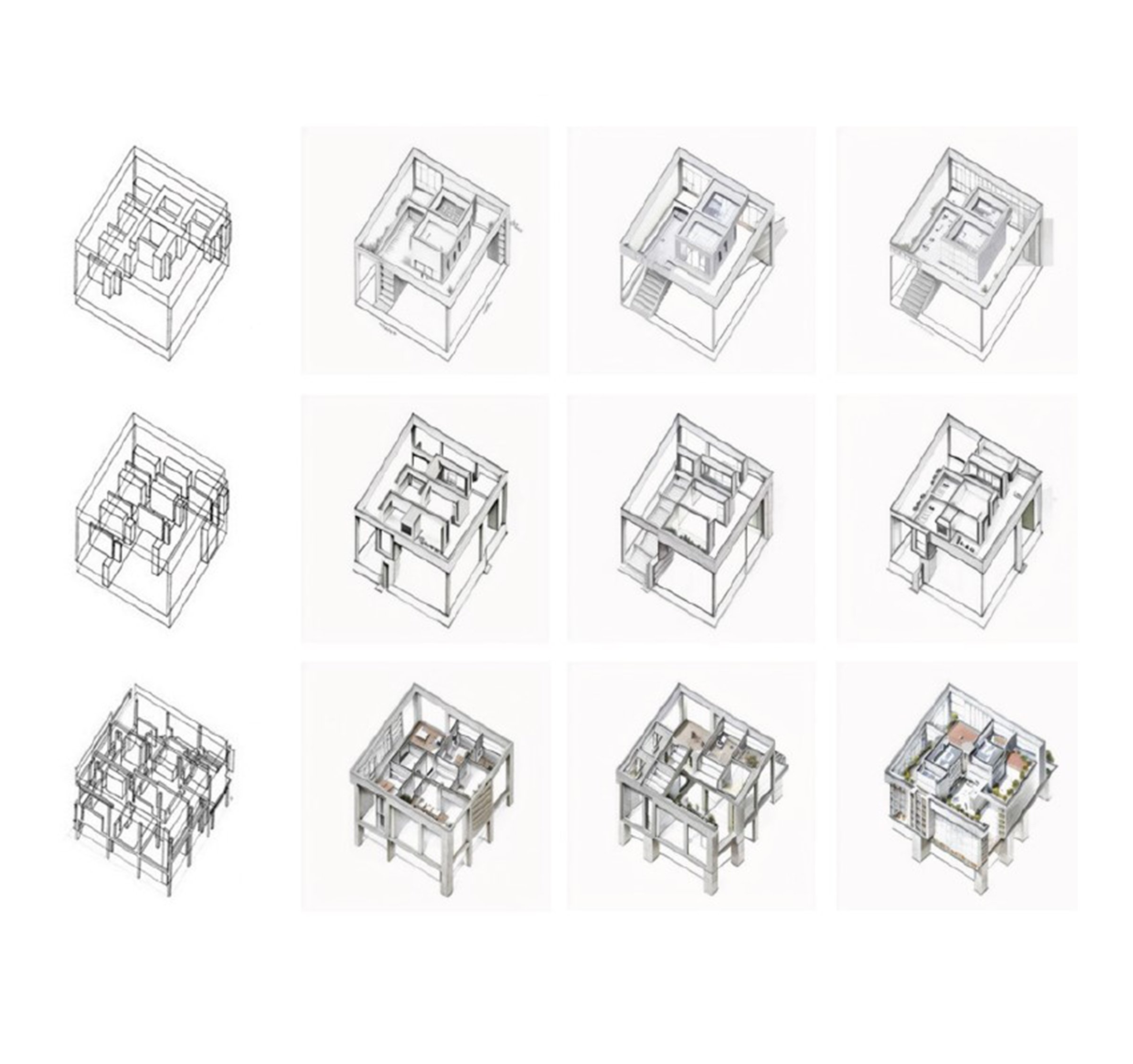
- The Evolving Role of Architects in the Age of Generative AI- Architecture has experienced a substantial shift toward the mass production of visual content, suggesting that architects are increasingly serving as curators rather than creators. The introduction of Diffusion Models in the field has accelerated this transformation, prompting architects to reconsider their role. Instead of exercising full creative control, they now guide processes shaped by algorithms and data sets. These tools, developed collaboratively by architects, algorithm designers, and data specialists, facilitate remarkable design capabilities yet challenge traditional understandings of authorship and artistic agency. By distributing creative influence more broadly, this approach democratizes certain aspects of architectural production, while also highlighting pressing ethical issues related to data transparency and algorithmic fairness. Moving forward, it is essential for architects to engage thoughtfully with these technologies, ensuring they are used responsibly and equitably. In this evolving landscape, architects must embrace their roles as informed curators, leveraging new tools to enrich rather than diminish the integrity of their work.

-Can Artificial Intelligence Mark the Next Architectural Revolution? Design Exploration in the Realm of Generative Algorithms and Search Engines- This book chapter emphasizes the need for Human-Computer collaboration in order to maximize the potential of AI and not AI as a substitute for human intelligence, critical and creative thinking. The study encourages architects to use AI as a design companion, to increase the complexity layers in design beyond traditional 2D representation. Today, generative algorithms provide a good solution, but there is still opportunity for generative algorithm to incorporate human feedback. The chapter concludes with the assurance that AI is not in competition with designers, rather it enhances and augments design and production capabilities

-Playing Dimensions- This article introduces an innovative architectural design workflow, exploring the convergence of Big Data, Artificial Intelligence (AI), and storytelling. Through scraping, encoding, and mapping data, the approach leverages Virtual Reality (VR) and Augmented Reality (AR). Unlike conventional views that treat AI merely as an optimization tool, this method positions AI as a tool for critical thinking and idea generation, advocating experimentation with existing models in architecture practice.

-Text2Form3D- Is a machine-learning-based design framework that explores descriptive representations of structural forms. It combines a deep neural network algorithm with Combinatorial Equilibrium Modeling (CEM) and is trained using a dataset of structural design options labeled with vocabularies obtained from architectural and structural reports. Text2Form3D can autonomously generate new structural solutions based on user-defined queries and evaluate them using quantitative and qualitative criteria, allowing the designer to refine the design space according to their preferences.

-An AI design methodology for conceptual design- This article highlights the potential of AI in architecture by emphasizing its ability to solve problems, process data, and automate repetitive tasks. Integrating these technologies into design workflows as active tools for creativity and exploration remains a challenge. The article proposes an iterative collaboration between humans and machines within a design studio setting to explore how AI algorithms and data analysis can enhance architectural design exercises focused on placemaking in natural landscapes through small-scale projects.

-Beyond Typologies, Beyond Optimization- This paper introduces a computer-aided design framework that enables the generation of non-standard structural forms in static equilibrium by leveraging the collaboration between human and machine intelligence. The framework utilizes three main algorithms: Combinatorial Equilibrium Modelling for generating structural forms, Self Organizing Map for clustering options, and Gradient Boosted Trees for classifying designs. The proposed framework is validated through a real-world case study involving the design of a stadium roof.

-Multi-Axis Robotic Architectural Detailing- This project focuses on construction techniques at the detail scale, specifically exploring Multi-Axis 3D printing and the integration of Lidar 3D scanning for Generative Digital Design. By utilizing Lidar scanning, accurate point cloud models can be created and compared to the digital design in Computer-Aided Design (CAD) software. This allows for identifying and addressing tolerance issues during the design and construction process. An algorithm in CAD can then generate optimized joints based on user-defined constraints once tolerance deviations have been accounted for.

-Control ControlNet- This research investigates how AI image generators can enhance architectural schematic design workflows. Control images were paired with Stable Diffusion via ControlNet to produce output images that predictably reflect a specific design intent. Varying levels of detail (LOD) were established for both the schematic sketch and text prompts in order to examine the impact of visual and linguistic specificity on the final output.

-Constructing Conditions of Design- This project address the challenge of navigating through a large number of 3D models on the web for architectural design. By collecting 52,000 3D models and using the Self-Organized Maps algorithm, an interactive interface was created to organize the models based on their formal properties. Students tested this tool and easily selected the desired objects for their designs. They focused on integrating the chosen models to create buildings with detailed and harmonized architectural articulations. Leveraging the abundance of available 3D models, this approach enables tailored and intricate design outcomes.

-City of Indexes- This research aims to assess the liking potential of a city or neighborhood without physically visiting it. Traditionally, urban quality assessment has relied on global city rankings or empirical and sociological approaches, limited by available information. However, this study takes a different approach by utilizing ML techniques and a vast dataset of geotagged satellite and perspective images from various urban cultures. The goal is to characterize personal preferences in urban spaces and predict a range of likable places for a specific individual.
AI for Social Good
______
AI for Social Good ______
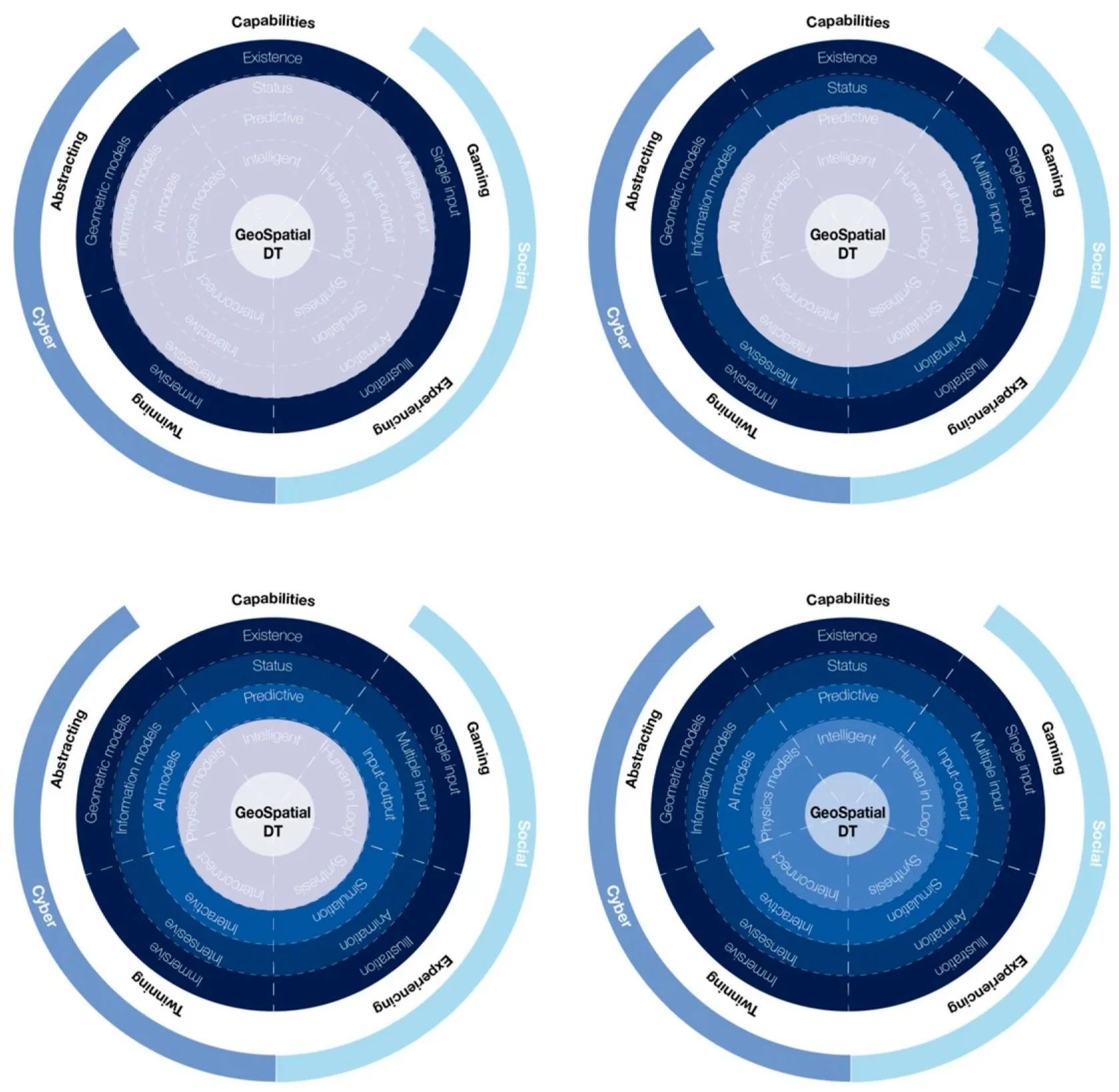
-Geospatial Digital Twin- Urban Digital Twin models have been criticized for their simplification of social processes and not being grounded in the context of the places they represent. In response, the proposed unified Geospatial Digital Twin (GDT) framework not only combines diverse modeling techniques into a standardized environment, but, critically, contextualizes these geospatial data within local social and physical realities. Through abstracting, twinning, experiencing, and gaming, the GDT supports various levels of participation in computational modeling depending on the project. By integrating digital capabilities with understanding of social context, GDTs allow computational modeling to reflect the social realities of a place, offering opportunities to address environmental challenges and advance human-centered decision-making for resilient urban futures.
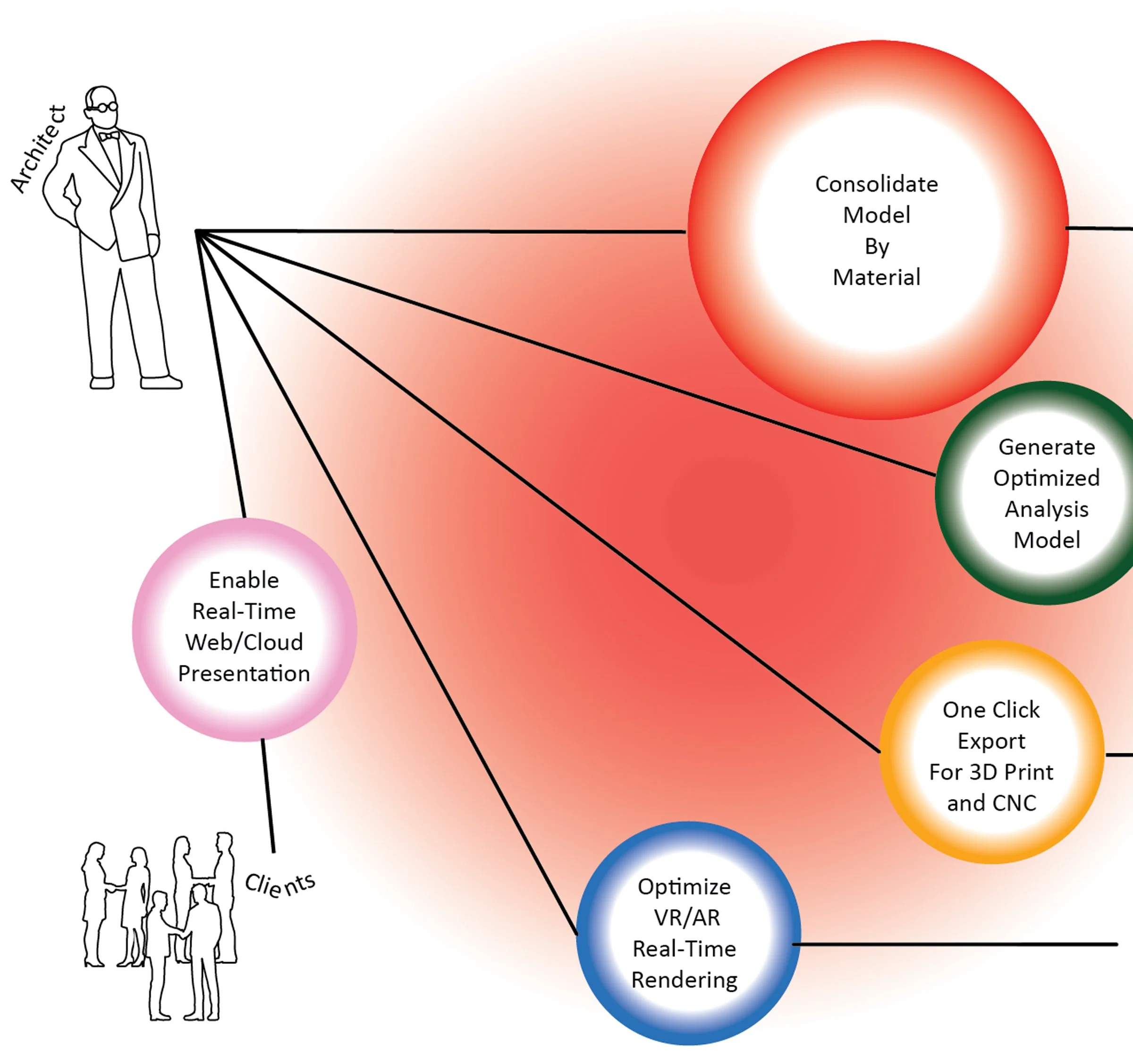
-Material-Semantic Consolidation for Web-Ready Planning- Building models are often too complex, which hinders their interoperability with geographic information systems (GIS) and consequently impedes effective collaboration between architects and urban planners. To address this issue, we present a workflow for data standardization that converts large, detailed architectural models into lightweight 3D objects suitable for visualization on WebGIS platforms. This workflow aims to enhance urban design processes by making architectural-level proposals more accessible, interpretable, and contextually integrated, thereby supporting open, transparent, and collaborative pathways toward diverse urban futures.
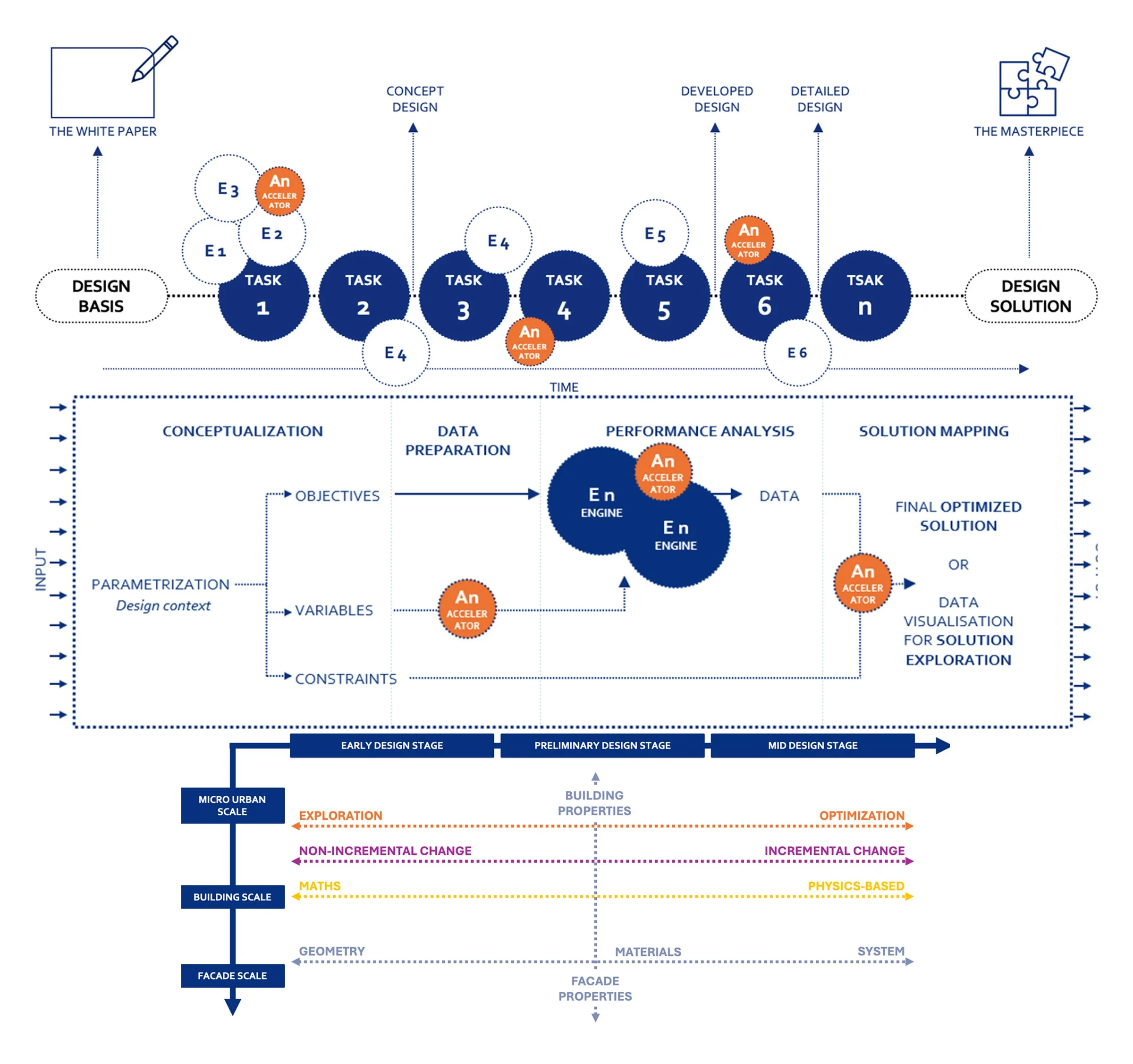
-Digital Workflows for Building Envelope Design- To meet energy efficiency and sustainability requirements, performance-based digital optimization in the design of building elements has been widely implemented. To streamline the process, heuristic algorithms and Artificial Intelligence (AI) based techniques are being increasingly adopted. In the context of building envelope (BE) design, there is a lack of research evaluating the effectiveness of different tools, algorithms, and approaches across various design stages and contexts. This study systematically reviews the methods and workflows proposed across 152 publications selected. This framework provides the foundation for adaptable, user-centered, digital optimization workflows for BE design aimed at improving building performance and occupant comfort.
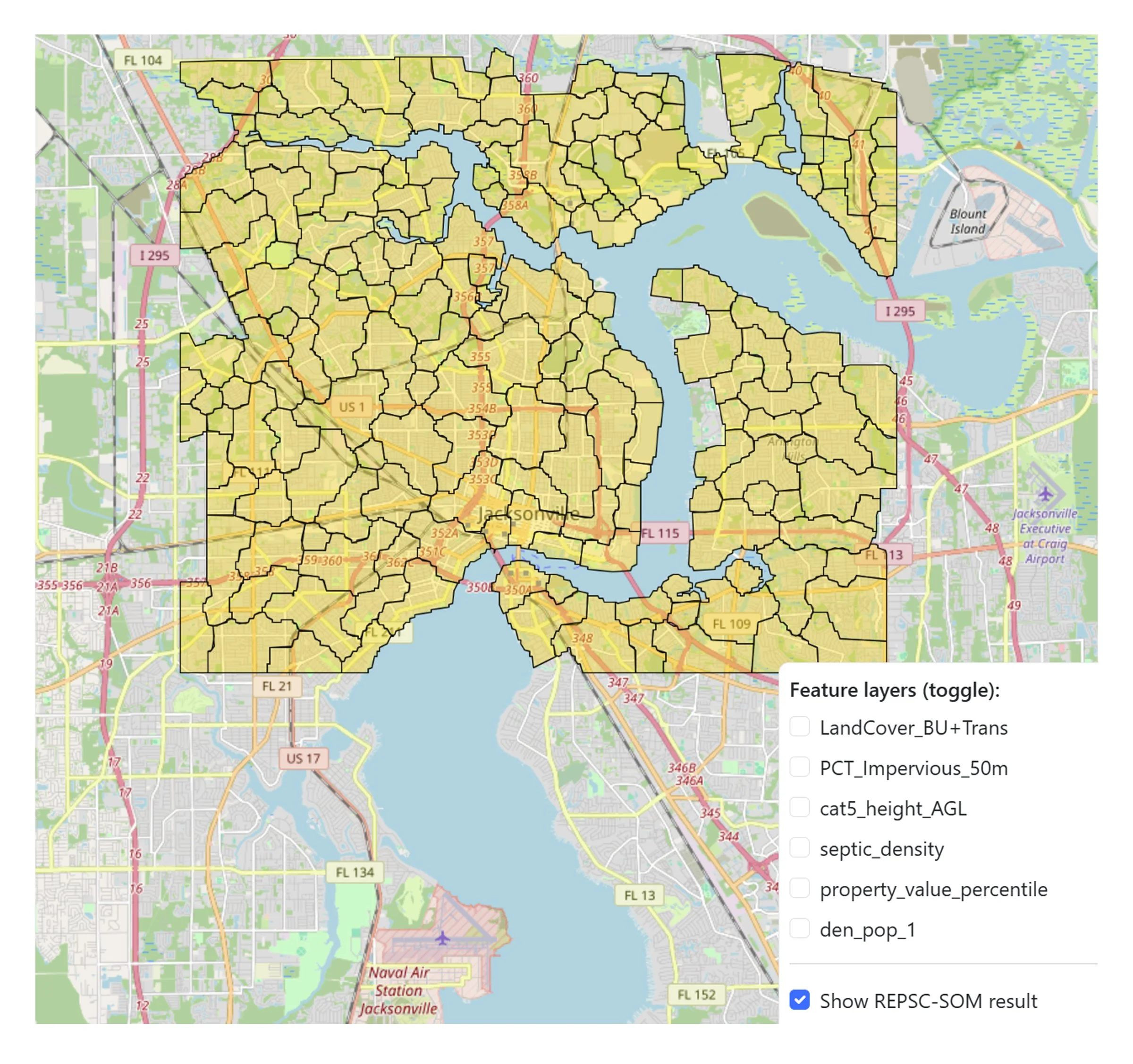
-Enhancing Demand-Oriented Regionalization- Conventional planning units or urban regions, such as census tracts, zip codes, or neighborhoods often do not capture the specific demands of local communities and lack the flexibility to implement effective strategies for hazard prevention or response. To support the creation of dynamic planning units, we introduce a planning support system with agentic AI that enables users to generate demand-oriented regions for disaster planning. The platform extends traditional SOM with adaptive geographic filtering, while AI can guide the process by suggesting input features, spatial constraints, and supporting interactive exploration.
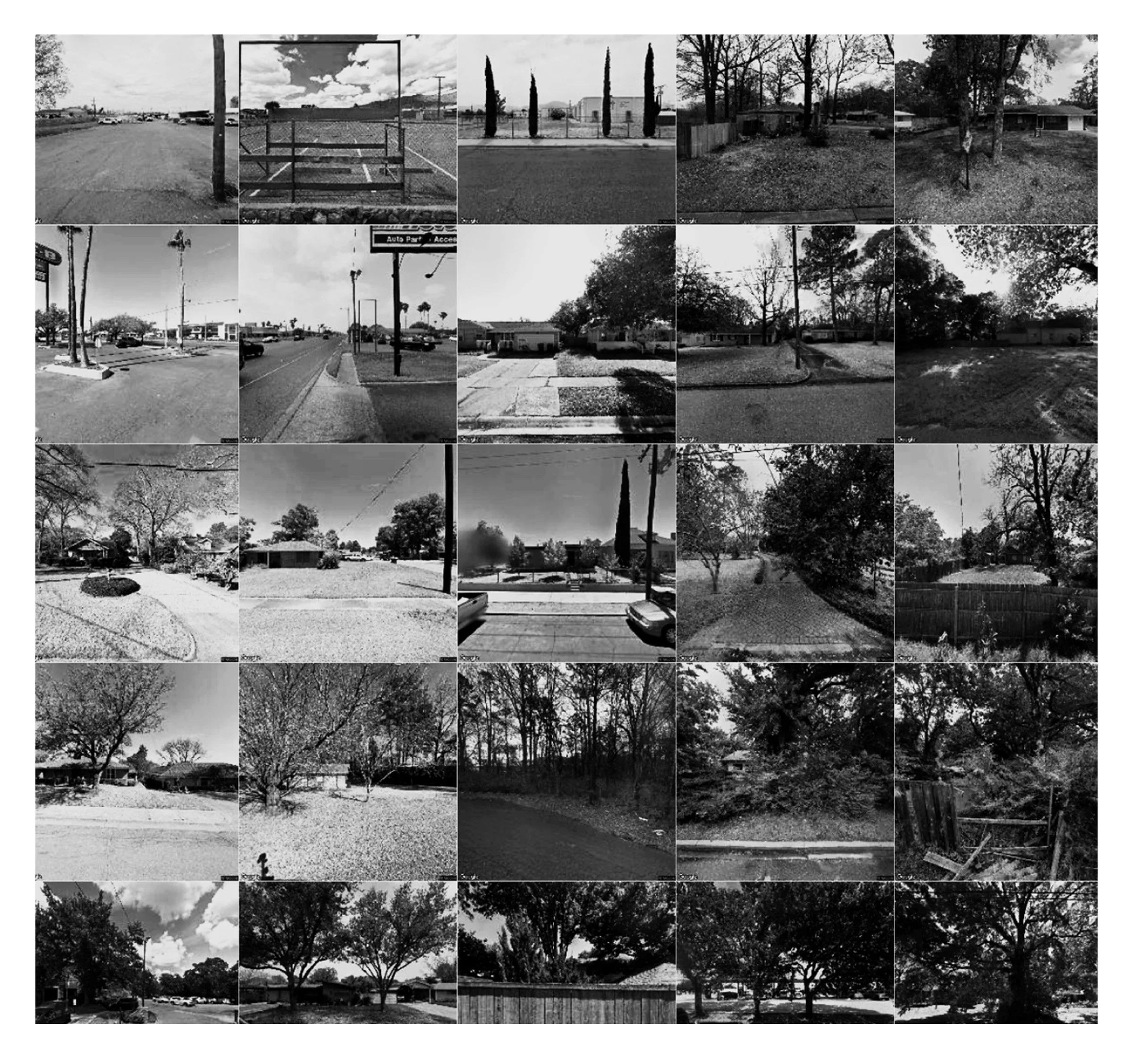
-Disaster Resilience on College Campuses- Global climate change has made natural disasters increasingly common and severe, putting many college and university campuses at risk. This chapter considers how higher education leaders can use artificial intelligence (AI) as a tool, among broader efforts, to support disaster resilience. We briefly discuss research on how AI can be used to reduce risks to campuses and provide preliminary findings from our own work training an AI algorithm to map and identify vulnerabilities in the built environment on and around campuses.

-AI as a Walkability Assessment Tool- This review explores AI integration in walkability assessments from 2012 to 2022, analyzing 34 studies. It highlights how diverse datasets, especially street view images, improve model accuracy and pedestrian environment assessments. The shift toward ground-level data brings subjective insights into pedestrian experiences, but questions remain on addressing non-visual perceptions and diverse demographics. The study also identifies a research gap in using emerging technologies like VR/AR and digital twins, recommending further exploration to enhance walkability tools and human-city interaction understanding.

- A theoretical framework for integrating digital twins in building lifecycle management: This chapter presents a theoretical framework for implementing Digital Twins (DTs) in several stages of the building lifecycle, including design, construction, operation, and maintenance. It begins by exploring the function of Building Information Modeling (BIM) in design and construction, emphasizing the significance of incorporating data obtained from physical buildings through implementing the Internet of Things (IoT) across the building lifecycle.

-ML for HIV incidence prediction- Recent ML advancements in HIV prediction, typically using medical records, are extended to public health datasets for STIs in a high-risk U.S. county. Aimed at enhancing interventions, the study analyzes sociodemographic factors, STI cases, and SVI metrics. ML models achieve high accuracy in predicting HIV incidence for males and females, with key predictors including age, ethnicity, and STI history. While promising tailored interventions, further research is required to implement these models effectively in public health practices.

-From BIM to Digital Twins- In the College of Design, Construction, and Planning at the University of Florida, our research spans building information modeling (BIM), bi-directional data flow coordination, and machine learning (ML) for built environment applications. Collaborating with Unreal, Autodesk, Siemens, and NVIDIA, our Digital Twin project integrates these efforts to enhance data visualization, IoT technologies, and ML applications. The primary aim is to transition from BIM LOD 400 to Digital Twin (DT). Working on three buildings—the DCP Collaboratory, Disability Resource Center (DRC), and remodeling the Student Infirmary—alongside a preliminary DT deployment at Heavener Hall, insights gained will inform subsequent developments. The ultimate DT will integrate real-time information for informed decision-making in building lifecycle management, with a transferable and scalable protocol developed for broader application across the University of Florida.

-Developing a risk to flooding from qualitative and quantitative data- This disaster resilience project focuses on 30 Gulf of Mexico universities, using a dual-scale approach to automatically identify vulnerabilities in campus facilities through the street and aerial built environment imagery. Aerially, satellite images and GIS maps highlight flood-prone areas, while simultaneous street-view imagery is captured from corresponding locations. Data collection, utilizing the Open Street Map API, results in a dataset of 675,486 images. A web interface gathers qualitative feedback, integrating all data, and undergoes professional testing. The cluster-then-label method, employing AI algorithms, streamlines labeling. Preprocessed data trains a neural network to predict vulnerability, introducing a qualitative metric correlated with quantitative metrics from GIS maps.

-An AI unsupervized clustering of airport- When a disaster occurs, airports in the affected regions must quickly adapt to handle a surge in passengers and cargo, transitioning from regular operations to serving as humanitarian hubs. While efforts are being made to improve airport preparedness, existing initiatives often operate in isolation, limited by local experiences. This research aims to broaden the perspective by creating a global database of 971 airports, including their socio-technical characteristics in various data formats.
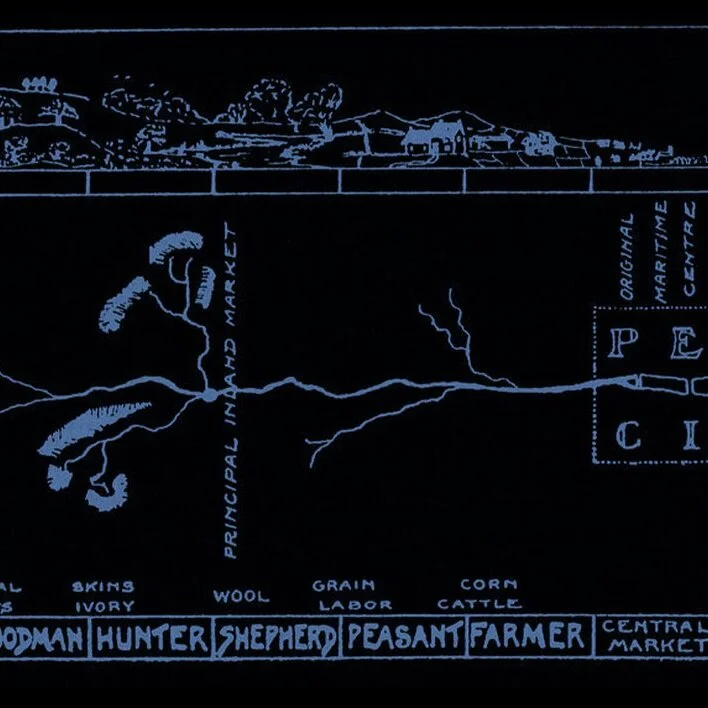
-Intelligent Transect Analysis- The study aimed to compare analogical transect analysis with an AI method for identifying urban indicators of residents' well-being. Key questions included scaling up place-based research using ML, classifying environmental features at urban/water intersections, and understanding AI's contribution to transect analysis and its connection to traditional knowledge. The study focused on three transects in Jacksonville's McCoy and Hogan creeks areas, exploring the potential of digitally generated site analysis and its integration with longstanding community knowledge for urban well-being assessments.

-Catalog of Change After Natural Disasters- This experiment focuses on encoding the changes that occur after a natural disaster using aerial images. A dataset of 50,000 aerial photos from 500 natural disaster epicenters was collected through a crawler. A Convolutional Neural Network algorithm was utilized to perform Semantic Segmentation and segment the built environment before and after the disaster. The changes were compared and transformed into numerical data, which were then organized using a self-organizing two-dimensional map (SOM). This catalog facilitates the prediction of possible changes in the built environment of new case studies.

-Machine Learning for Housing Needs- This paper proposes an ML workflow that combines multimodal data to quickly assess damages, shelter needs, and suitable locations for emergency shelters or settlements. The workflow utilizes open and online data for scalability and accessibility; fusing data from various sources using a decision-level fusion approach creates a common semantic space, enabling the prediction of individual variables. The model achieved a prediction accuracy of 62% by considering satellite images and geographic and demographic conditions.
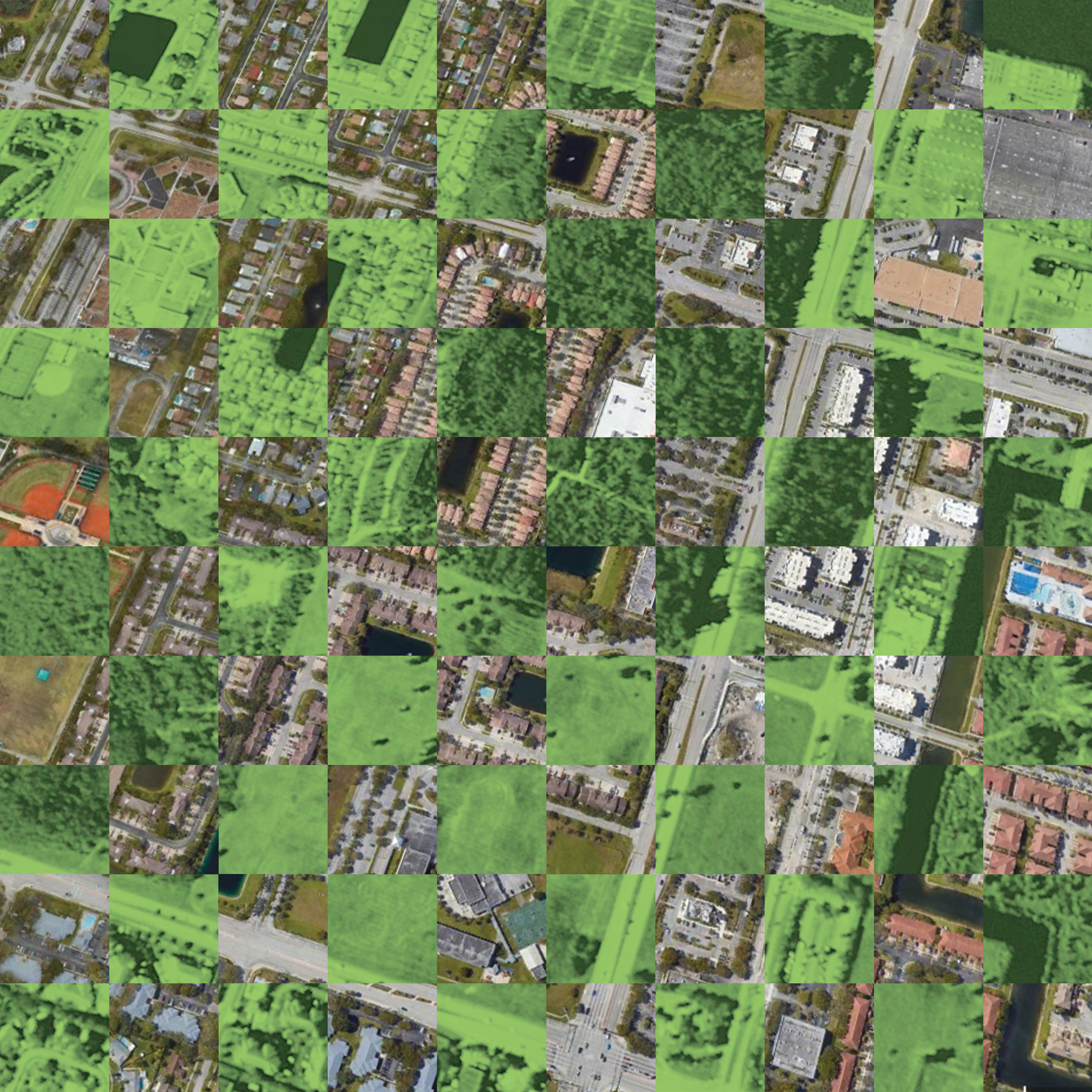
-Green Plotter- Urbanization destroys green areas, prompting the need for eco-friendly policies. "GreenPlotter" is an AI-driven algorithm that integrates low-carbon design and carbon sequestration in trees for sustainable urban development. Using genetic algorithms, it optimizes land partitioning and road networks, proving successful in generating greener solutions.

-An AI Framework to Assess Food Security- This pipeline combines big data extracted from satellite images and Unmanned Aerial Vehicles (UAVs) with machine learning algorithms to address the rapid assessment, planning, exploitation, and management of agricultural resources, emphasizing food security. The pipeline involves automatic localization and classification of four types of fruit trees and semantic segmentation of road network using a supervised deep convolutional neural network. Furthermore, we proposed to optimize fruit harvesting based on factors like maximum time, path length, etc.

-Machine and Humans as Allies in Disaster Response- This research addresses the need to cross-validate academic studies and NGO protocols in disaster response. The experiment incorporates a large dataset of academic abstracts on disaster response and mission statements from humanitarian organizations. AI techniques, including word embedding and clustering algorithms, are used to analyze the data. Human intelligence is then applied for information selection and decision-making. The experiment’s outcome is a mockup that provides suggestions and tools tailored to specific disaster response scenarios, forecasting the potential involvement of architects in the process.

-Quantum Rails- To tackle this challenge, we utilize various datasets for the SBB rail network. This includes a geometric dataset representing the locations and IDs of Swiss train stations. Additionally, we utilize a yearly timetable from opentransportdata.ch, which allows us to calculate occupancy levels with hourly precision. This dataset is crucial for our strategy. Finally, we analyze and compare planned maintenance sites to obtain an "Index of Occupancy," which serves as a contextual measure for the spatio-temporal occupancy of operating segments.