
Digital Crafting
Memories of Timucua Dwelling
a nature-based nomadic pavilion
In collaboration with Julie Waldrop, Carlos Castro, Dinorah Martinez Schulte, Thomas Steinbach, Zai Shi, Shangde Gao, Judi Shade Monk, Juan Hidalgo Cordero
This project explores how an architecture informed by indigenous building practices and technologies can address the need to adapt today’s design- and installation priorities and processes for climate change, coastal erosion, and flooding. The resulting nature-based nomadic pavilion design considers a site-responsive, adaptive design bridging industrialized construction, local ecological responsivity, and cultural heritage for constructability and temporality. Sited in Jacksonville, Florida, the project proposes locally sourced materials, including oyster shells, marsh reeds, and beeswax, all of which are features in both the project’s performance requirements and aesthetic. Through advanced computational design, analysis, and digital fabrication, the pavilion's nature-based elements are set within a modular framework optimized for portability and site adaptability. Ultimately, the pavilion design demonstrates a fusion of experimental natural materials and modern architectural processes in a resilient, site-responsive kit-of-parts. The project asks architecture and engineering professionals to consider in their own work mobility as their primary design- and hazard responses and to interrogate local materials as an opportunity for invention. The kit-of-parts solution offers construction professionals and prospective clients a materially-experimental installation with minimized risk to construction schedule, budgetary overages, and storm impacts.
INTRODUCTION
The Nature-based Nomadic Pavilion, initially conceived in response to imminent climate emergencies and conditions at Betz Tiger Point Preserve in Jacksonville, Florida, is a research-driven prototype proposal that rethinks resilience in digital design and fabrication by prioritizing adaptability and ecological integration. Inspired formally and materially by the huts of the Timucua people of North Central Florida, the pavilion also incorporates nomadic Mongolian yurt strategies for portability, recapturing lost elements of Indigenous built heritage.
Timucua History and Architectural Influence in Jacksonville
Building practices must adapt to greater uncertainty and extreme natural disaster events that are on the rise due to climate change. Temporary architecture offers an alternative way of inhabiting vulnerable areas. At Betz Tiger Point Preserve, destructive climate forces and challenges have been identified (Figure 1, left). Short-term events, such as flooding and hurricanes, have long-term effects, including erosion, marsh migration, and sea-level rise leading to habitat loss. Some species documented through point-location data have already adapted their own means of survival: migration. Fungi, crabs, birds, oyster reefs, and even marshes are all adapted to move from locations that are not optimal for their self-preservation. Humans may need to adopt this strategy for the same reasons, ahead of a more drastic response like managed retreat.
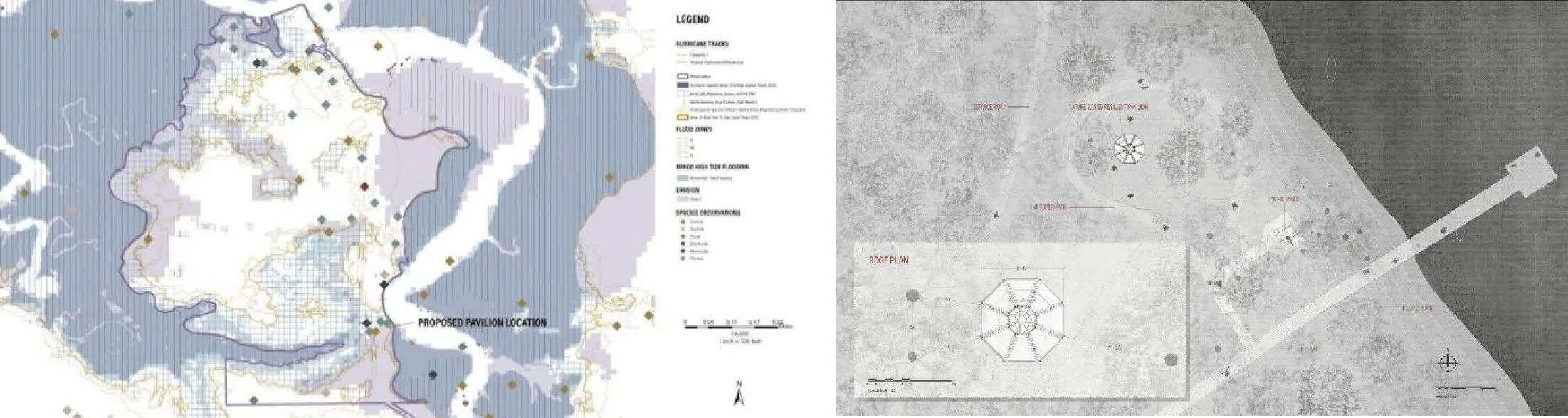
Figure 1. (LEFT) GIS mapping: Betz Tiger Point Preserve, Jacksonville, Florida, comparing destructive natural events and migratory species. (RIGHT) Site Plan: Nature-Based Nomadic Pavilion Credits: Julie Waldrop and Carlos Castro.
In North America, the Timucuans who occupied the Betz-Tiger Point Preserve were eradicated in the 16th century through colonization. They were semi-nomadic, staying within the same general area. Their dwellings were circular in footprint and tapered upward. A hut’s primary structure comprised 8–10 pine sapling posts, sunken into holes in the ground, bent at the ends, and tied at the top, leaving an interior floor area about 25' in diameter. Thin pines and grapevines were woven between the supports to create a lattice structure, starting 3' from the ground and stopping 1.5' short of the top, forming a smoke escape, like yurts. Vertically oriented palm fronds were then thatched into the horizontal lattice to provide water protection, shade, insulation, and to create a convection-cooling chimney (Figure 2, left). The huts were primarily used for shelter, while daily activities were conducted outside.
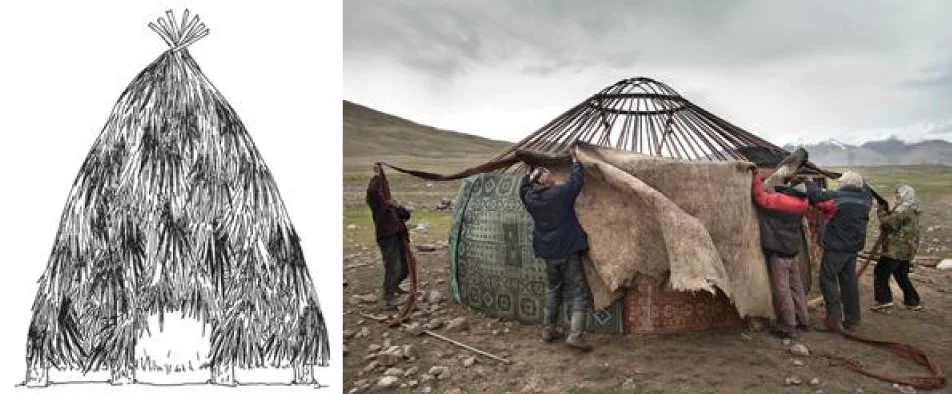
Figure 2. (LEFT) Illustrative depiction of a Timucua hut. Source: Florida Public Archaeology Network. (RIGHT) Reconstruction of a Mongolian Yurt. Source: National Geographic.
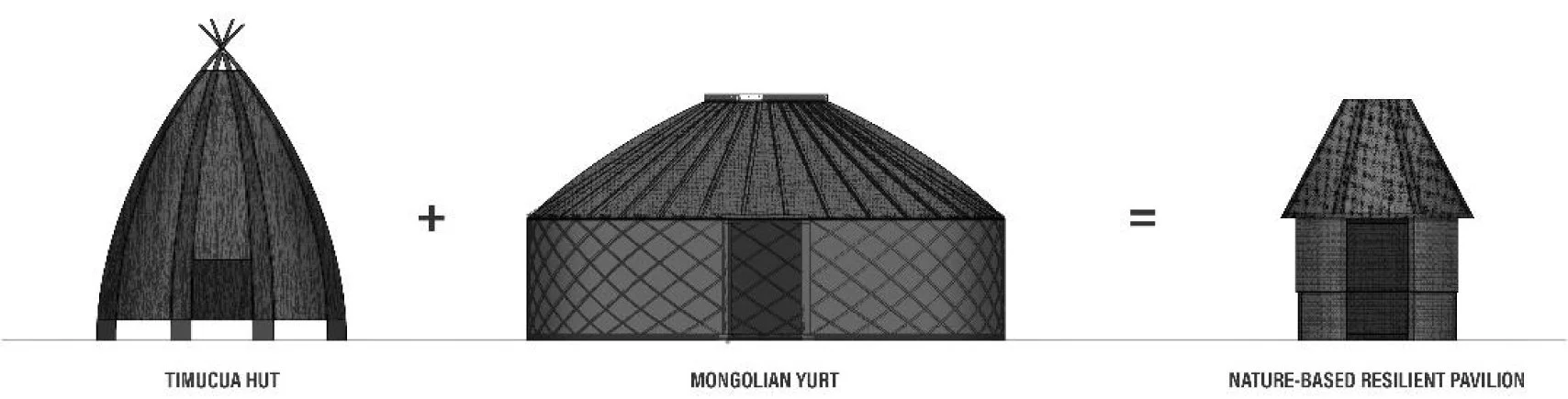
By applying the migratory capabilities of the yurt to the Timucua hut in the project's design intent, a resilient building type that reflects both locally informed design sensibilities and responds to the current vulnerability of the site can be realized (Figure 3).
METHODOLOGY
Project Brief
The Nature-Based Nomadic Pavilion, sited on the eastern coast of the preserve (Figure 1, right), presents a cone with a roof that slopes upward toward the center. The circular plan is translated into an octagon, yielding a more easily assembled, faceted, modular design. Just as the Timucua erected eight posts for their entire structure, the pavilion has eight columns, which transition into roof beams of the same profile and size to maintain visual continuity between the walls and the roof. An opening in the roof forms an octagonal oculus that recalls the smoke escape of its historic precedent. While the pavilion’s formal appearance is aligned with the Timucua hut, the selected geometries allow for the incorporation of the migratory logic of the Mongolian yurt.
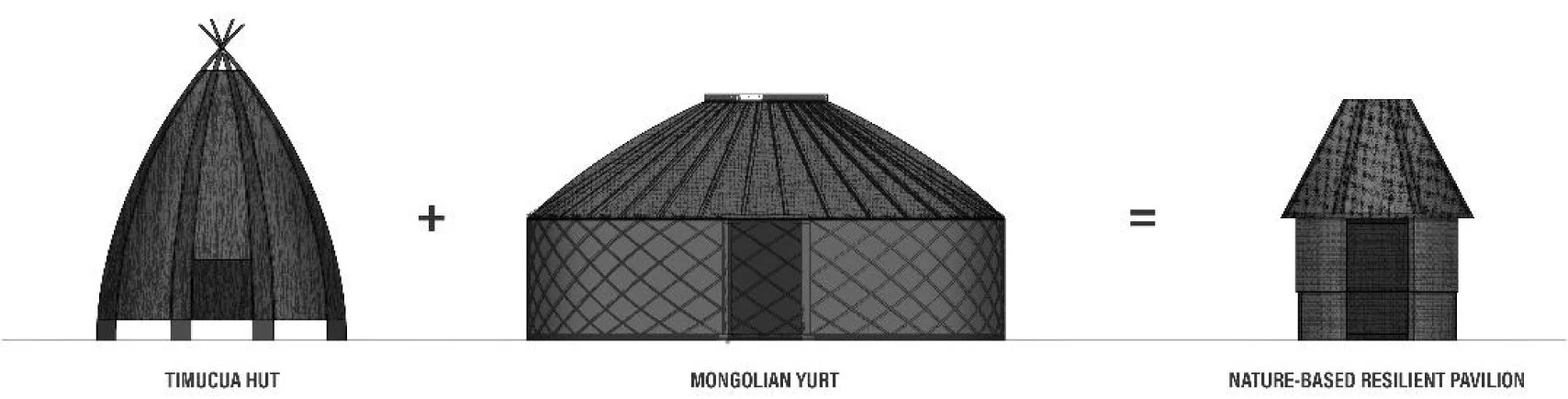
Figure 3. Precedent typologies of the Timucua hut and Mongolian yurt and their formal relationship to the nature-based nomadic pavilion Credits: Julie Waldrop and Carlos Castro.
The pavilion design is a kit-of-parts to produce a demountable, modular assembly, following Mongolian practices and allowing the pavilion to be relocated or broken down and stored in the event of a natural disaster or imminent hazard.
Within each module, a nature-based approach guides the material selection for function and performance. The floor system will feature oystercrete terrazzo pavers, combining durability with restorative ecological potential. Wall panels will be constructed using marsh reeds sewn into panels, providing natural ventilation, shade, and a tactile connection to local resources. The roof and structural framework will integrate waxed canvas panels, merging lightweight construction with flexibility and water resistance. The organization of materials addresses functional requirements and reflects a commitment to environmentally and culturally attuned design.
Oystercrete Terrazzo: Sustainable Coastal Flooring. For the Timucua, oysters were a food source, and shells were used as tools, decoration, and in ritual ceremonies. Oysters also play a vital role in environmental health: filtering water, sustaining biodiversity, reducing pollutants and storm-surge impact, and mitigating shoreline erosion.
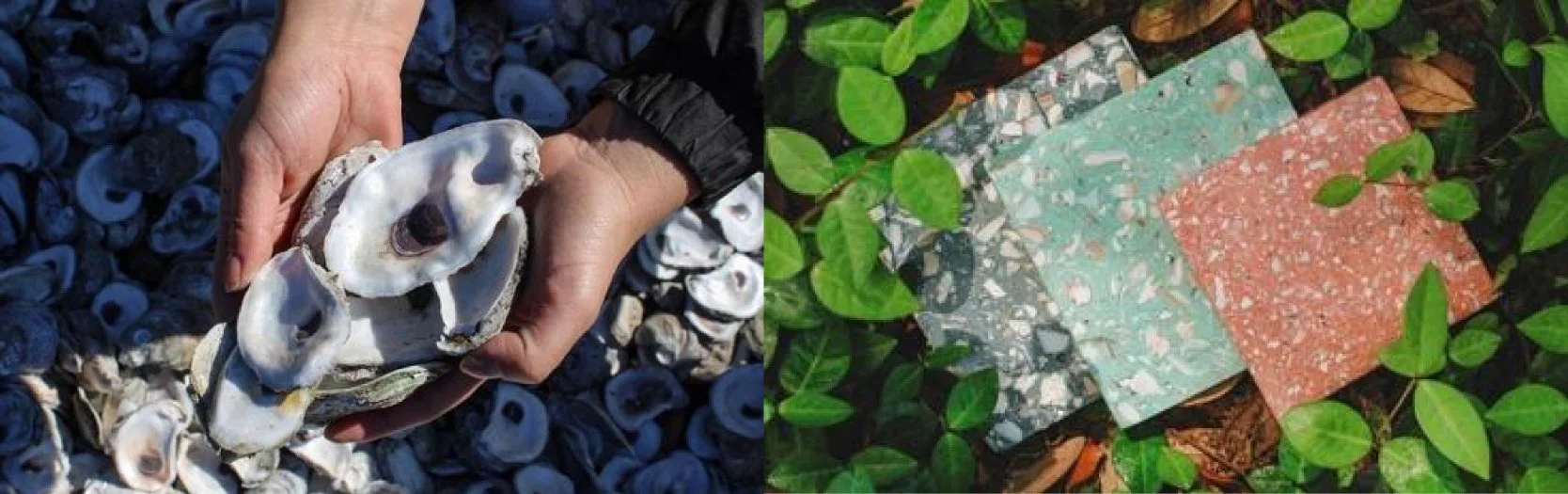
The oyster shell in the project’s terrazzo floor paver samples was sourced from Florida’s St. Augustine coast, in collaboration with the GTM Research Reserve and the Florida Department of Environmental Protection to ensure responsible harvesting (Figure 4, left). Drawing on this ecological and cultural heritage, the project transforms oyster shells, discarded from a vital food source of the Timucua, into a contemporary building material, bridging history, ecology, and design.
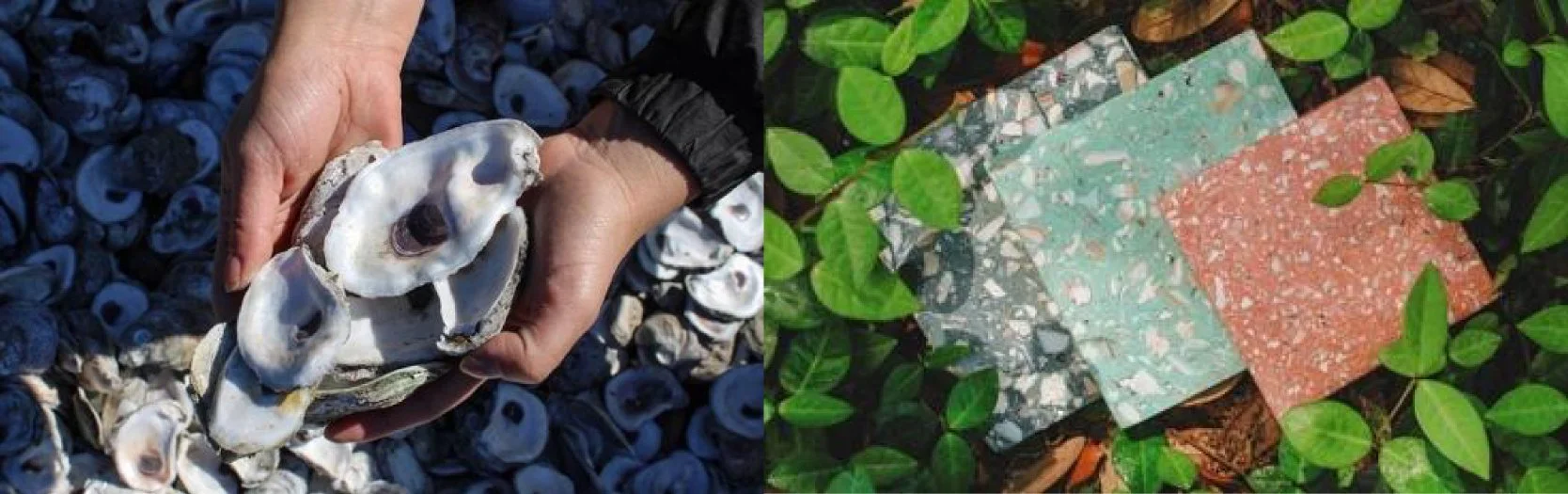
Figure 4. (LEFT) Oysters sourced from GTM Research Reserve in St. Augustine, Florida. (RIGHT) Terrazzo pavers samples. Credits: Dinorah Martínez Schulte.
The terrazzo floor pavers combine concrete, pulverized oyster shells, crushed shell aggregate, fibers, water, and natural pigments to create a colored, durable, nature-based material (Figure 4, right). The incorporation of oyster shells into oystercrete both reuses waste material and lowers CO₂ emissions, contrary to standard carbon-intensive concrete production. If the pavers ever become permanently submerged, oyster larvae would be attracted to the chemical composition, attaching and establishing new beds.
Reed Panels. Recent studies have highlighted the importance of reeds as components of marshland ecosystems for preventing coastal erosion and improving water quality when properly managed.
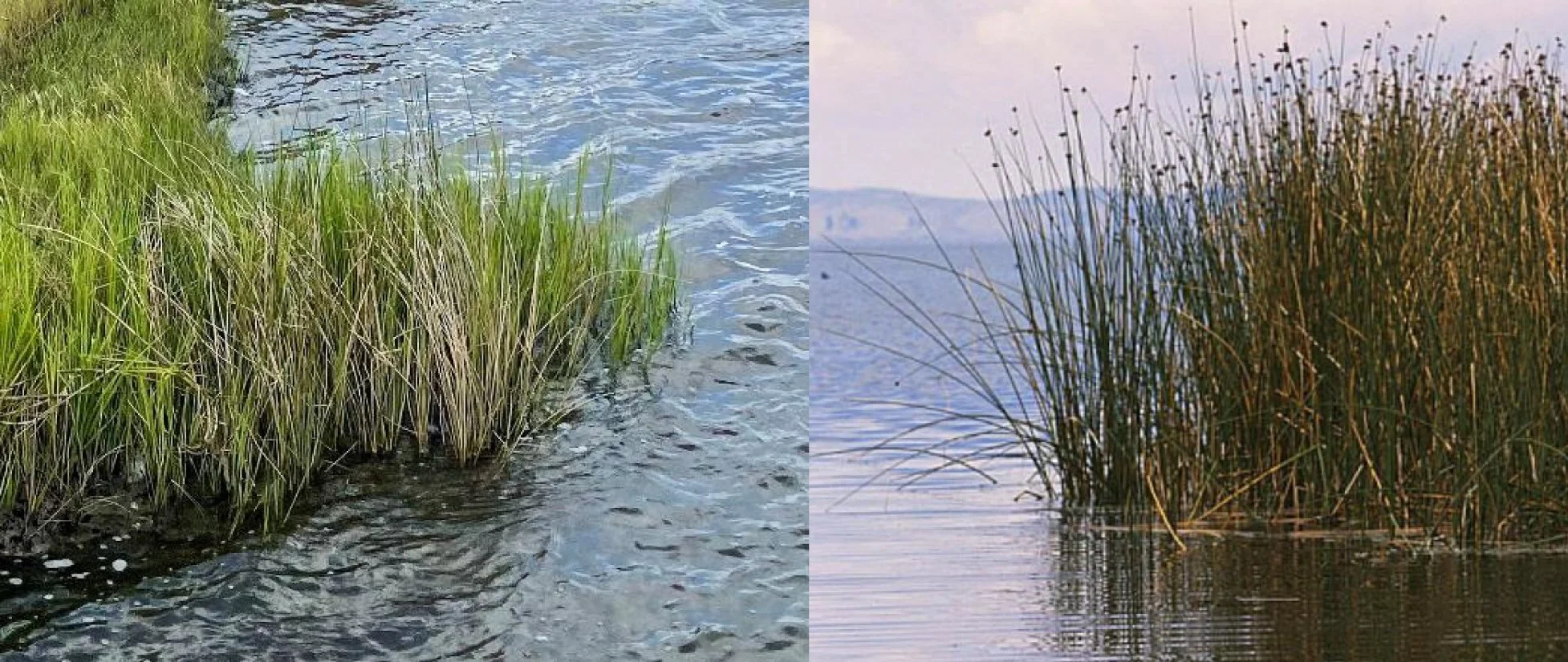
Though the project aspires to ultimately use locally harvested black needle rush reeds (Figure 5, left), to protect the fragile coastline of the Preserve, the experimental material samples use Peruvian totora reeds, a common building material used by Indigenous peoples (Figure 5, right). The pavilion’s vertical envelope is composed of composite modules of sewn reed panels set in a steel framework. This breathable, panelized skin leverages the reed's natural spongy plant tissue, which transports gases through the plant. When harvested and dried, it can function as an insulator, helping maintain a stable temperature and preventing the steel frame from heating. Beyond these temperature qualities, the reeds’ high strength-to-weight ratio and rapid biorenewability make them a sustainable material source.
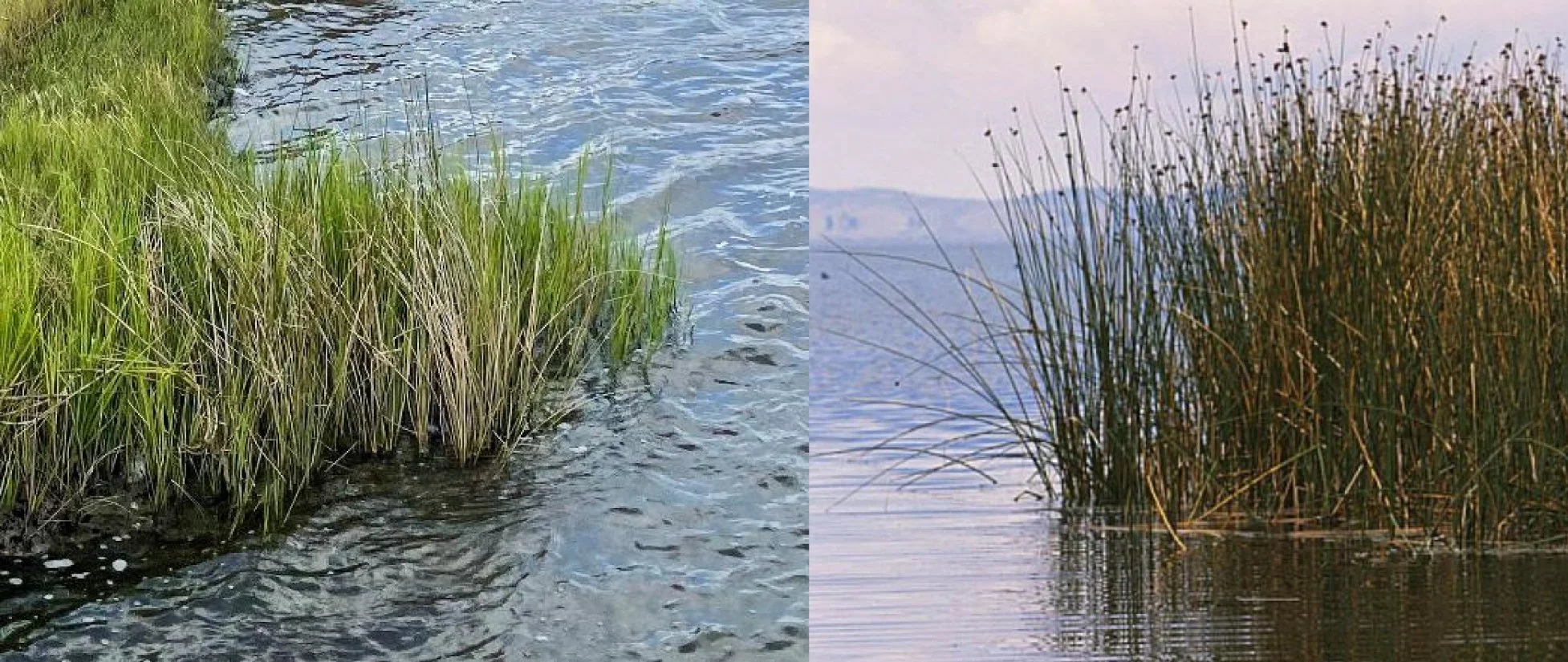
Figure 5. (LEFT) Black Needle Rush, Betz Tiger Point, Jacksonville, Florida (RIGHT) Giant Bullrush, Lake Titicaca, Incacerca, Peru. Credit: Judi Shade Monk(L); Juan Hidalgo-Cordero (R)
In nomadic woven assemblies, cross ventilation is correlated to how densely the material is woven. Depending on its configuration, the material may also serve as a solar-shading screen, as proposed in the pavilion; rainscreen-type protection through thatch; or, in vertical orientation, also as proposed; and as high-density mats for thermal insulation.
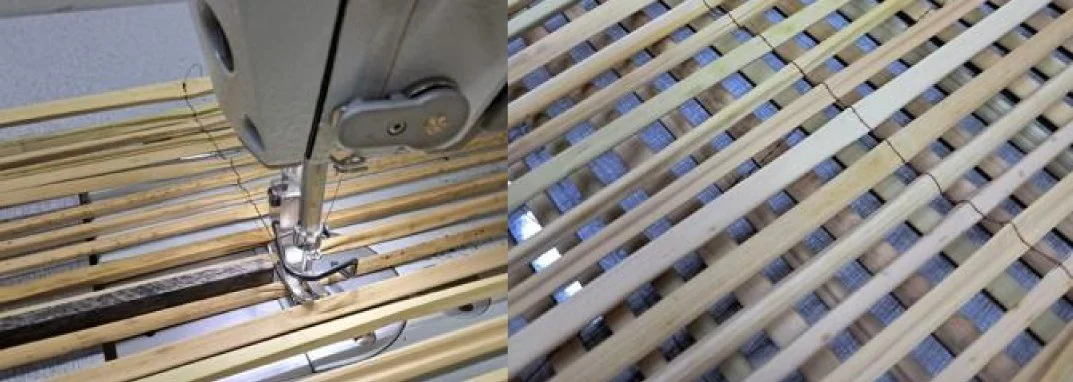
After drying, the reed stems are cut to length and mechanically fed into an industrial sewing machine at a controlled cadence; a calibrated stitch distance ensures that each stem is secured by at least two points of contact. Cotton thread is used for stitching, maintaining precise control over the spacing intervals (Figure 6, left). This method blends traditional material knowledge with industrialized production techniques to explore the lightweight skin's versatility. The resulting panels are installed in the frame as offset, crosshatched layered screens. The horizontally oriented screen can be rolled up, while the vertically oriented screen remains fixed to shed water, creating an interactive assembly of different visibilities and patterns (Figure 6, right; Figure 13, right). This layering mirrors the dual function and performance of Indigenous woven built elements, from porous weavings for shade to dense, insulated enclosures.
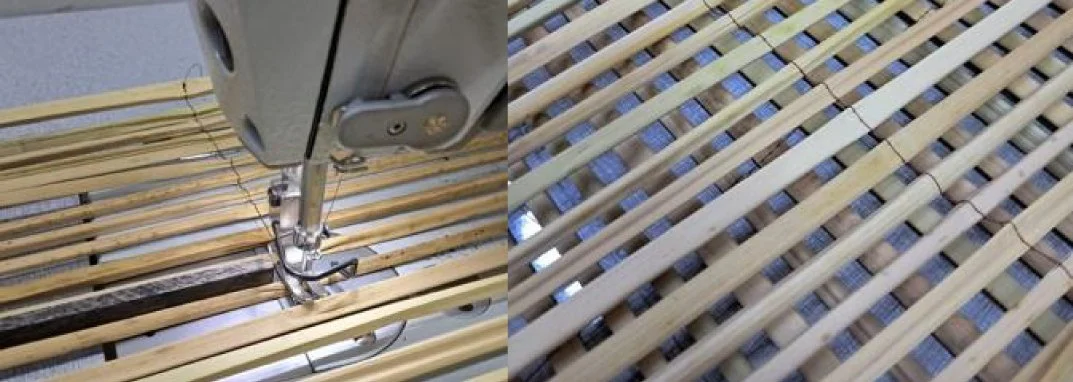
Figure 6. (LEFT) Reed stitching with controlled spacing. (RIGHT) Photograph of the resulting stitch and cross-hatch look of offset, quarter-turned reed panels. Credits: Juan Hidalgo Cordero.
Computational Design
In this prototype, traditional and local design strategies are synthesized using modern computational design. Computational design allows for the same standardization of elements as traditional ways of making, but with a higher capacity for variation through formal, dimensional, and informational certainty. Computational design was the instrument used to make the complex paver pattern of the floor.
Mosaic Pattern Floor. The pavilion's overall design features an octagonal footprint. Because regular octagons cannot cover a plane without overlapping, both translational and radial tiling strategies are explored to prevent gaps. Translational tiling involves repeating a shape by offsetting it from the previous one without gaps or overlaps across a flat plane. Translational tiling of an octagon results in either square- or diamond-shaped gaps, depending on the nature of the octagon’s offsets and connecting edges (Figure 7, left two diagrams). Radial tiling involves repetitive offset overlapping of the octagon at regular intervals, producing a series of geometric subdivisions that create a nature-based, fractal-like, scalable pattern (Figure 7, right two diagrams).

Figure 7. Two tessellation strategies: the left two diagrams demonstrate translational, no offset or overlap shifts along the x-y axes using a repeating octagon; the right two diagrams demonstrate radial offset overlapping arrays of the same octagon, generating vastly different design solutions. Credits: Zai Shi and Shangde Gao.
The radial offset-overlapping method was selected because it could be easily expanded to adapt to the needed floor size while filling the entirety of the surface with mathematical patterns found in nature.
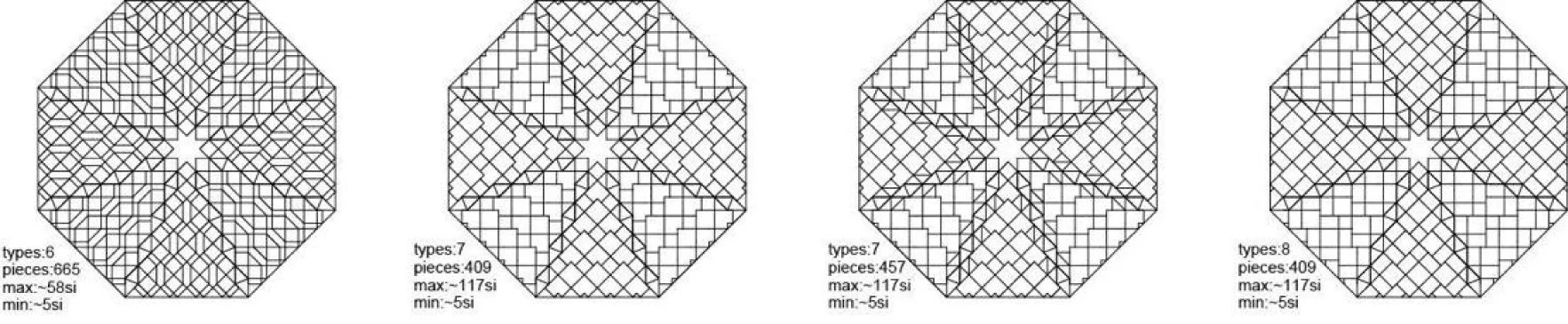
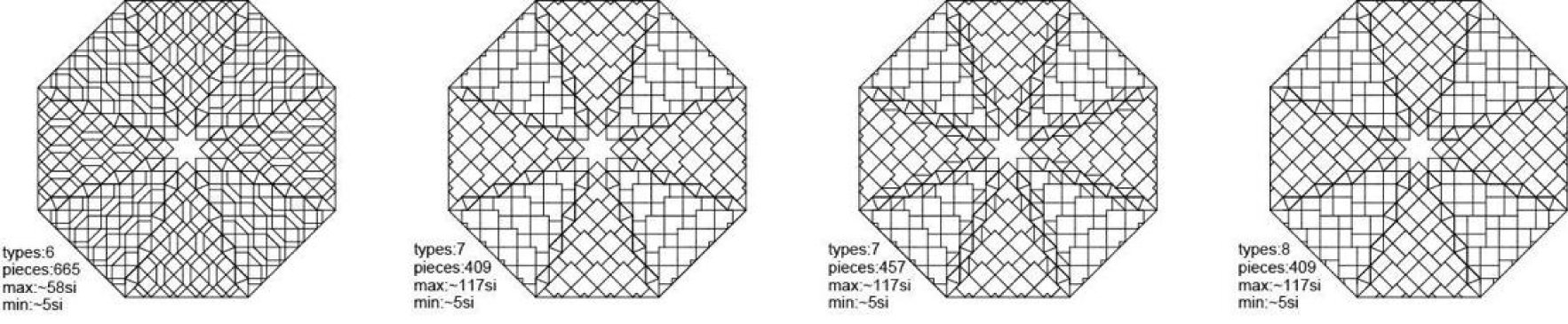
Figure 8. Sample paver pattern iterations include designing to limit quantities, geometries, total pieces, maximum and minimum area, and size of the geometries, and overall compositional balance. Credits: Zai Shi and Shangde Gao.
Pattern Optimization. Oystercrete paver patterns were then optimized based on four criteria: balance, scale, quantity, and geometry (Figure 8). First, the visual balance of the overall composition was evenly distributed. Second, the pattern was scaled to ensure a desirable size for handling during installation while balancing the number of units and boundary dimensions. Third, the quantity of different geometric elements was limited to maintain diversity while limiting excessive variation and avoiding over-complexity. Fourth, the geometric aesthetics of the patterns were evaluated with a preference for shapes that are different from one another (Figure 8).
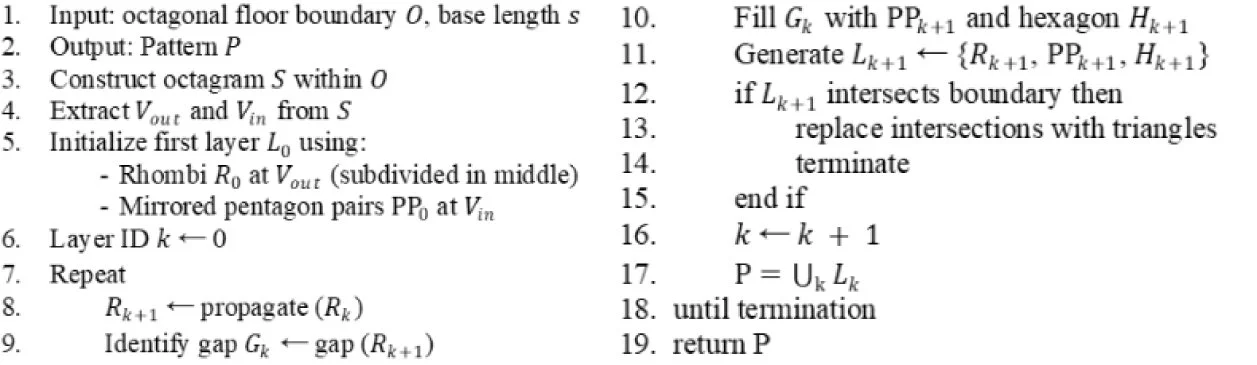
Parametric Automation. Geometric generation and optimization processes were automated using a GhPython script in Grasshopper (Figure 9). The script supports adjusting multiple parameters, including the dimensions of the boundary octagons, the number of layers, corner rounding, and offset distances. These parameters enable iterative optimization of the patterns in terms of geometric form, constructability, and laying logic.
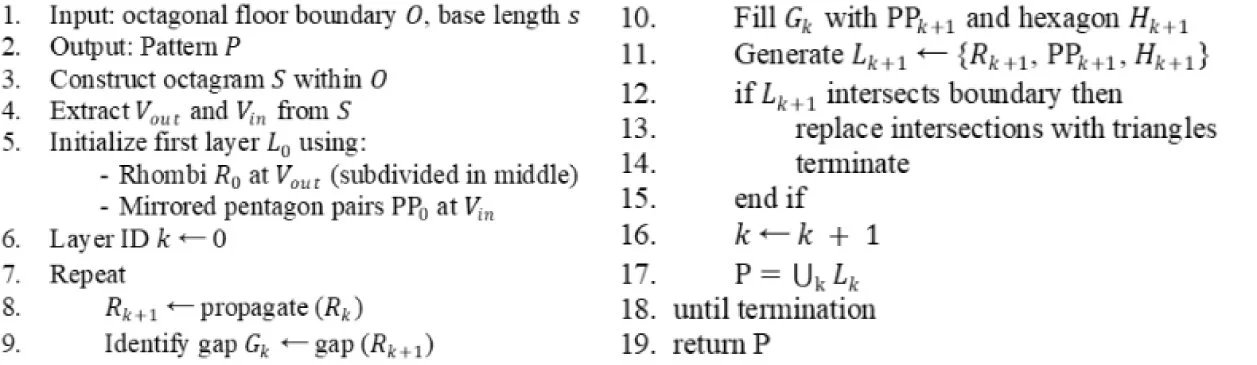
Figure 9. Generation algorithm of floor pattern. Credits: Zai Shi and Shangde Gao.
Production Strategy: Mosaic Pattern Floor
The production of the floor tiles involves a 3D-printed permanent investment-casting strategy, a modern, engineered equivalent to millennia-old lost-wax casting.
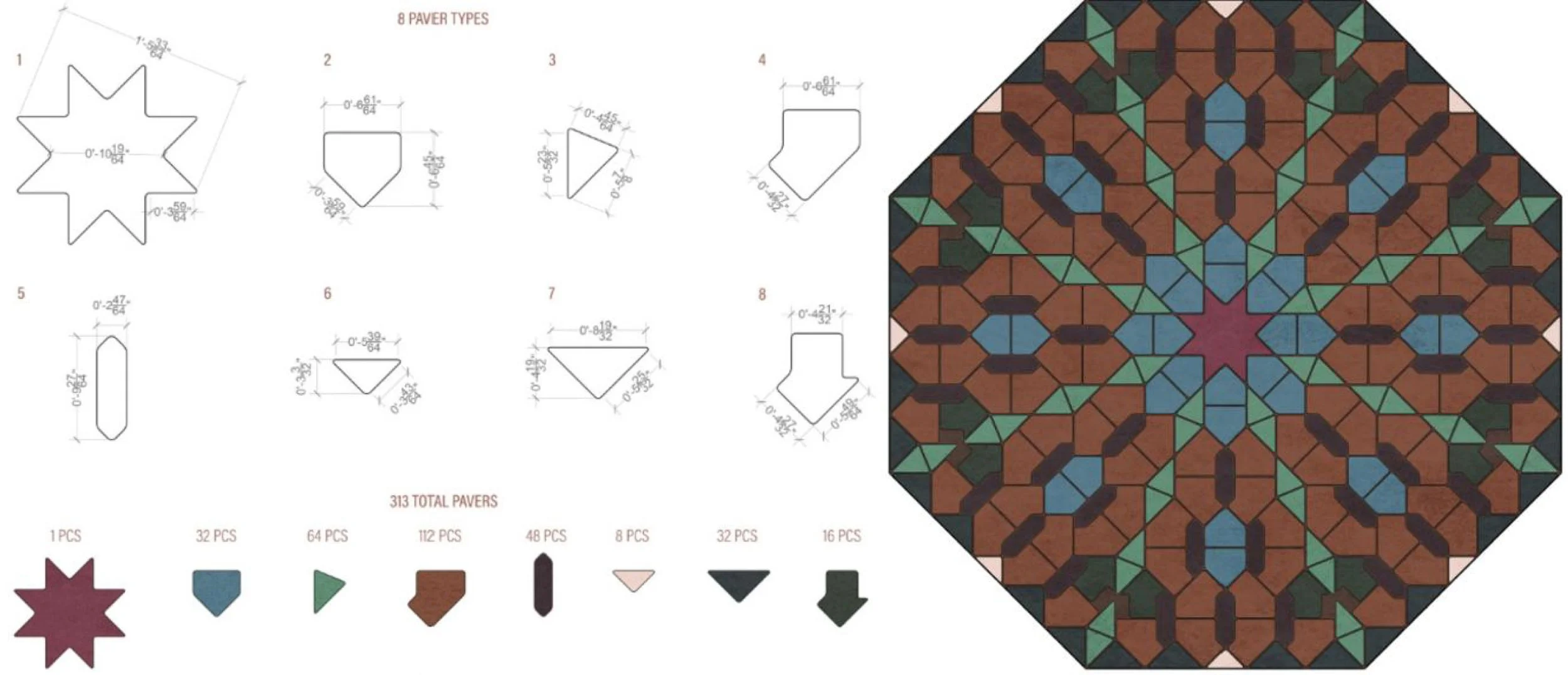
3D Printing for Paver Molds. The 3D-printed mold positives were developed through model-driven design with Rhinoceros 8. Each of the eight types of paver forms (Figure 10) was modeled individually and then 3D printed using FDM with PLA (Figure 11), maintaining dimensional control of each positive and allowing the same form to be reproduced repeatedly with controlled tolerances. Digitally modeling the parts helped identify any mistakes early on, saving money, time, and materials.
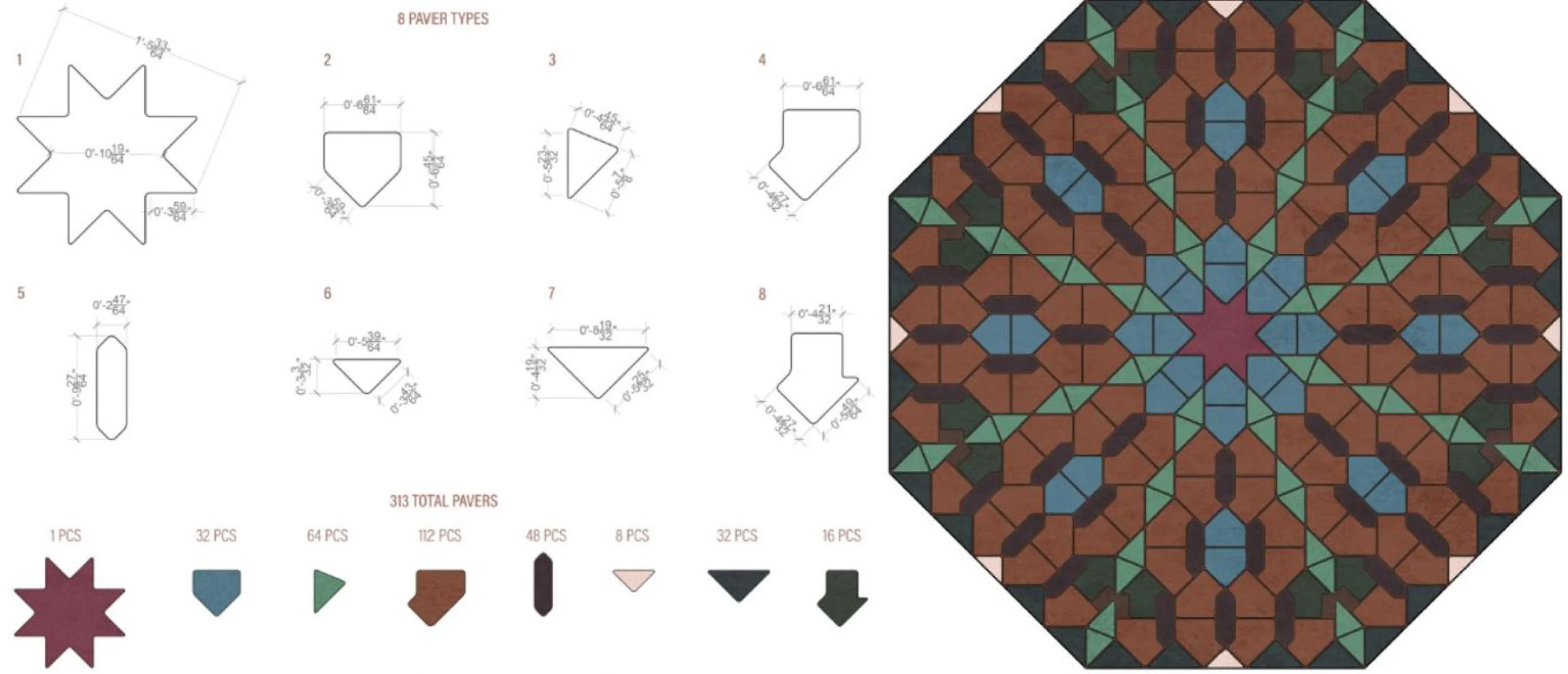
Figure 10. Drawing depicting eight types of paver forms and their locations within the floor pattern. Credits: Julie Waldrop and Carlos Castro.
Paver Mold Formwork. The formwork was produced by pouring silicone around 3D-printed parts with stable and clean surfaces for curing, minimizing material waste and ensuring consistency.
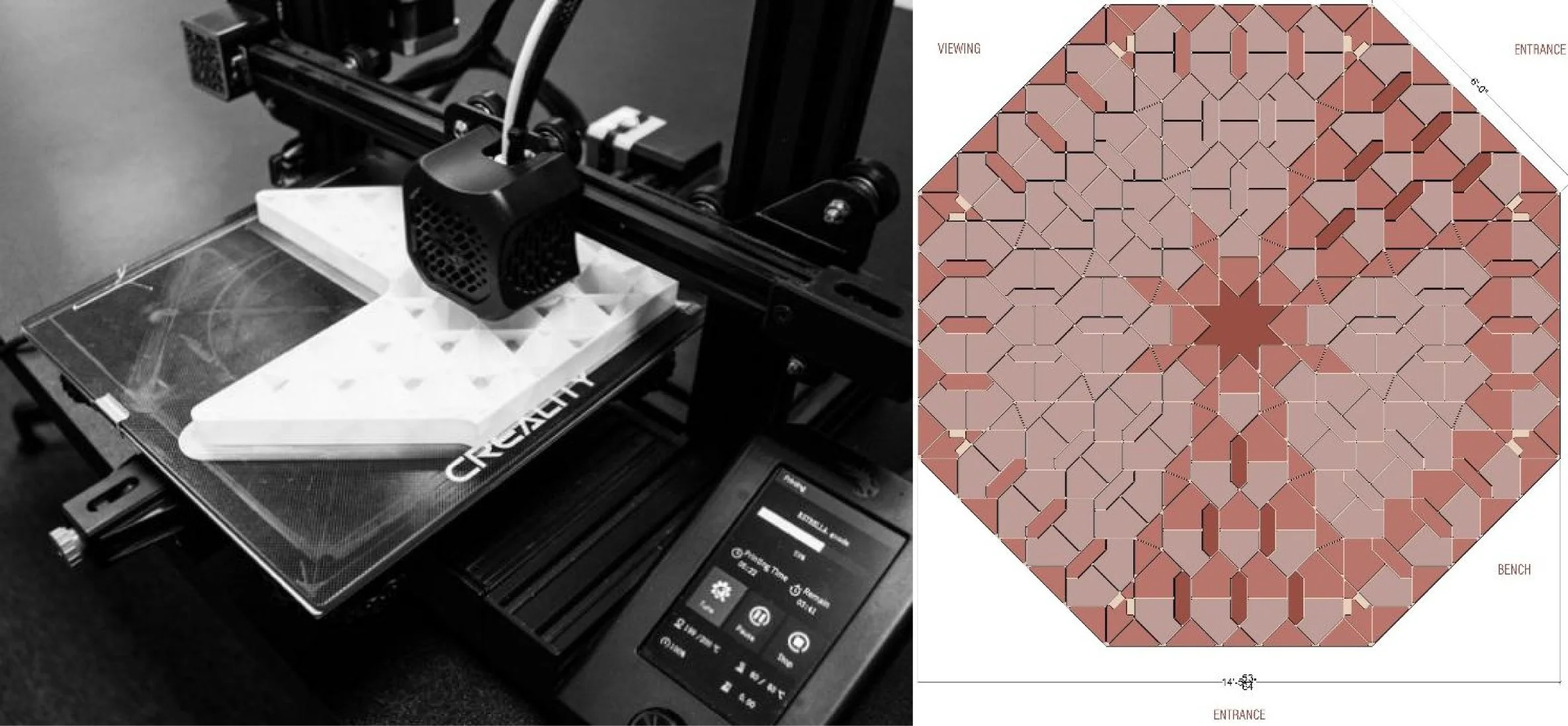
Pouring Pavers. To make the terrazzo elements comprising the floor pattern, the silicone molds were used to cast the oystercrete slurry into each paver shape. The overall pattern for the prototype pavilion requires 313 total pavers across eight distinct geometries and three different colors (Figure 10; Figure 11, right). The number of pavers for each shape and color can be easily counted from the digital model, allowing an efficient casting sequence to be established with confidence before production (Figure 10). Multiple molds can be run at the same time. Connecting the digital and physical aspects of the process allows for a more complex pattern to be built efficiently and consistently.
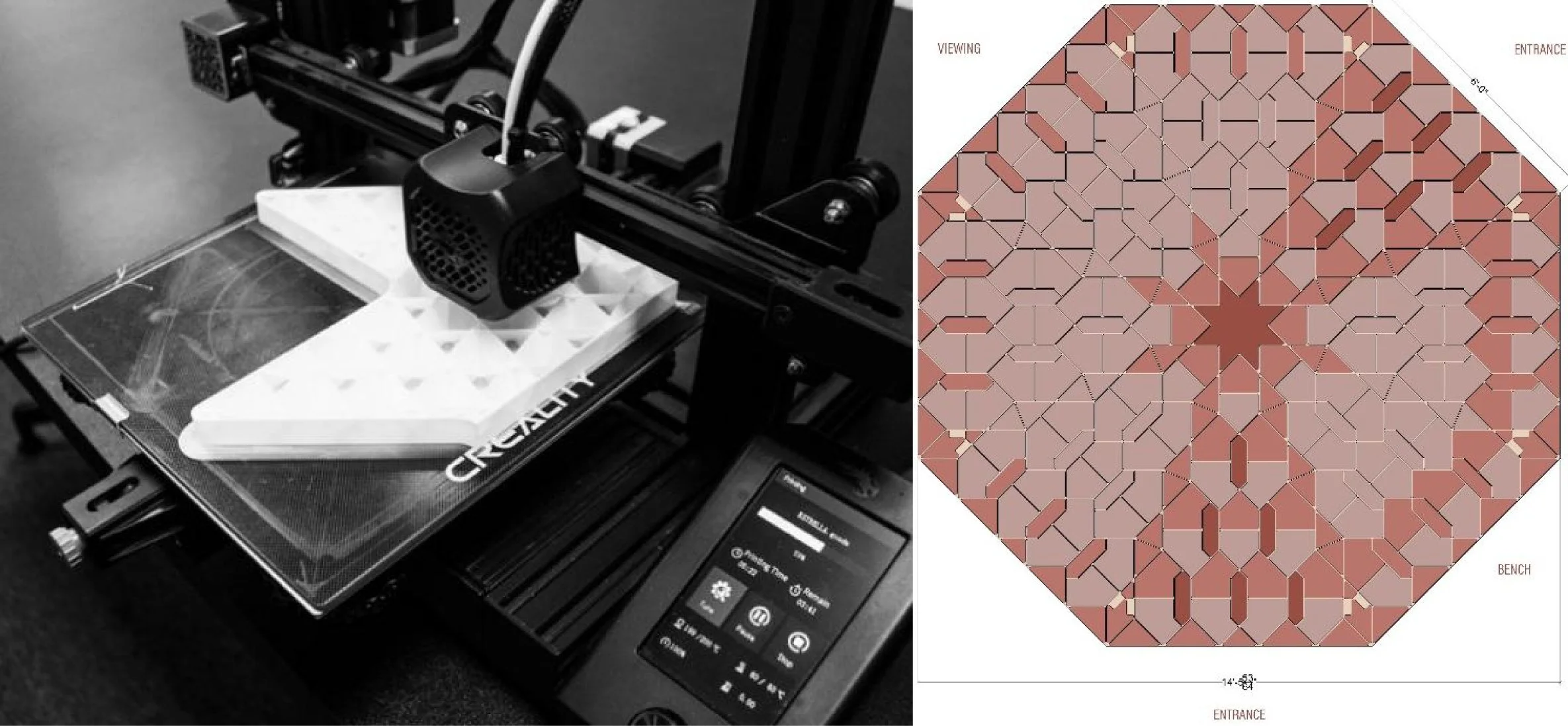
Figure 11. (LEFT) 3D Printing of oyster-crete terrazzo paver mold positives, in process. Credits: Dinorah Martínez Schulte. (RIGHT) Drawing depicting the three colors of pavers and their locations within the floor pattern. Credits: Julie Waldrop and Carlos Castro.
Structural Design
A finite element analysis model of the structure was created to determine the forces and demands experienced over its expected life on the Jacksonville site. These demands were compared to the capacities of the design’s proposed steel sections following the design procedures in the American Institute of Steel Construction (AISC) Steel Construction Manual (SCM) to confirm the suitability of the proposed sections. This confirmation opened the door for detailed development of the construction details and kit-of-parts components (Figures 12, 13, 14, 15).
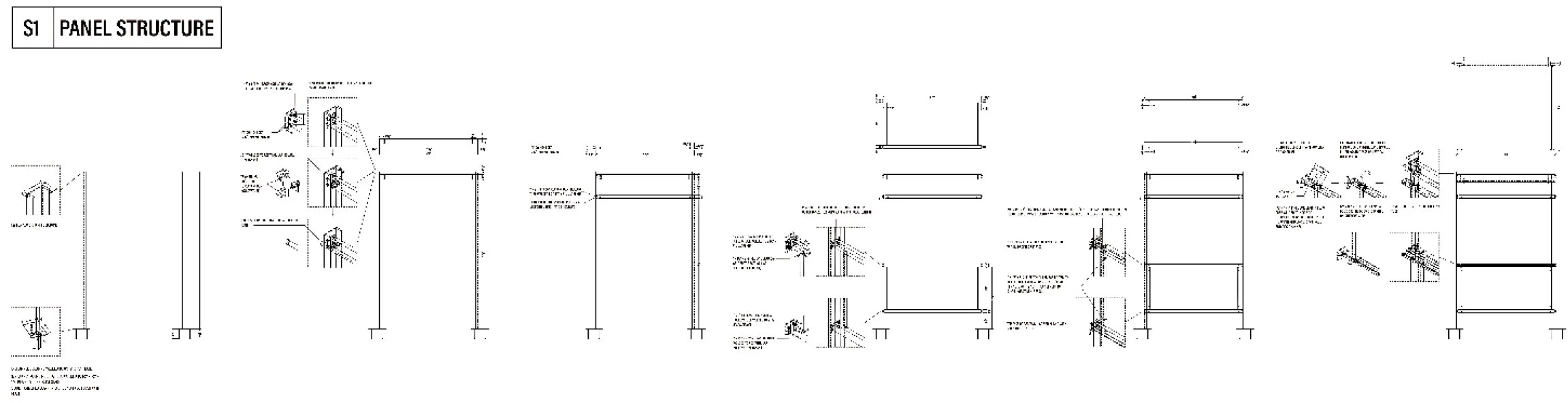
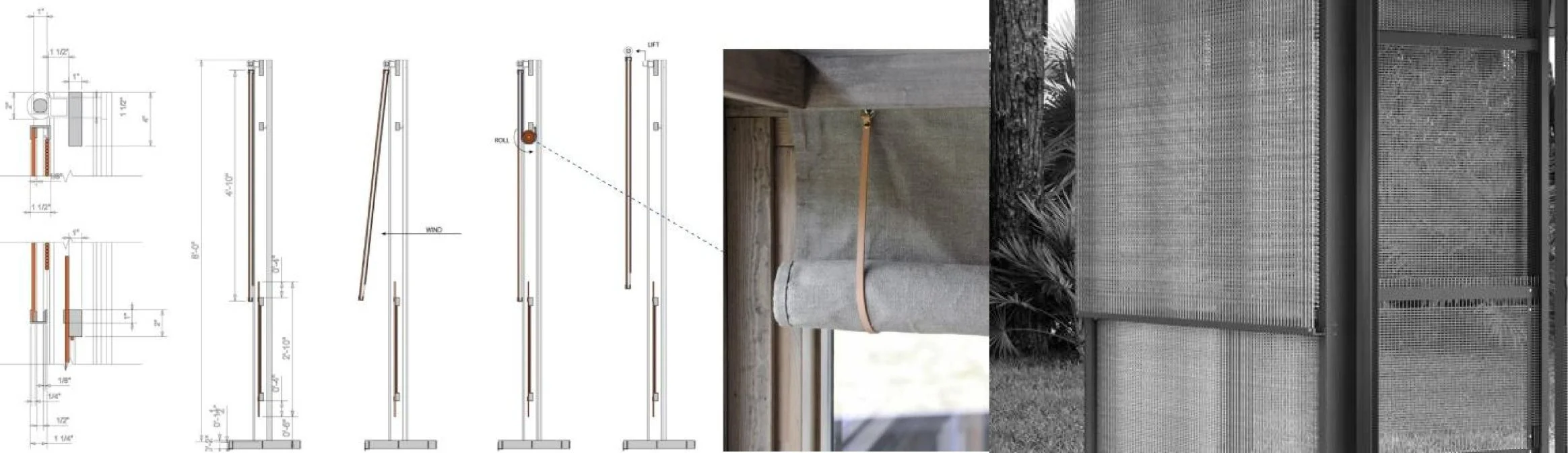
Figure 13. (LEFT) Wall details: possible configurations of reed wall panel. Credit: Carlos Castro and Julie Waldrop. (RIGHT) Detail illustration of reed panels. Credits: Carlos Castro.
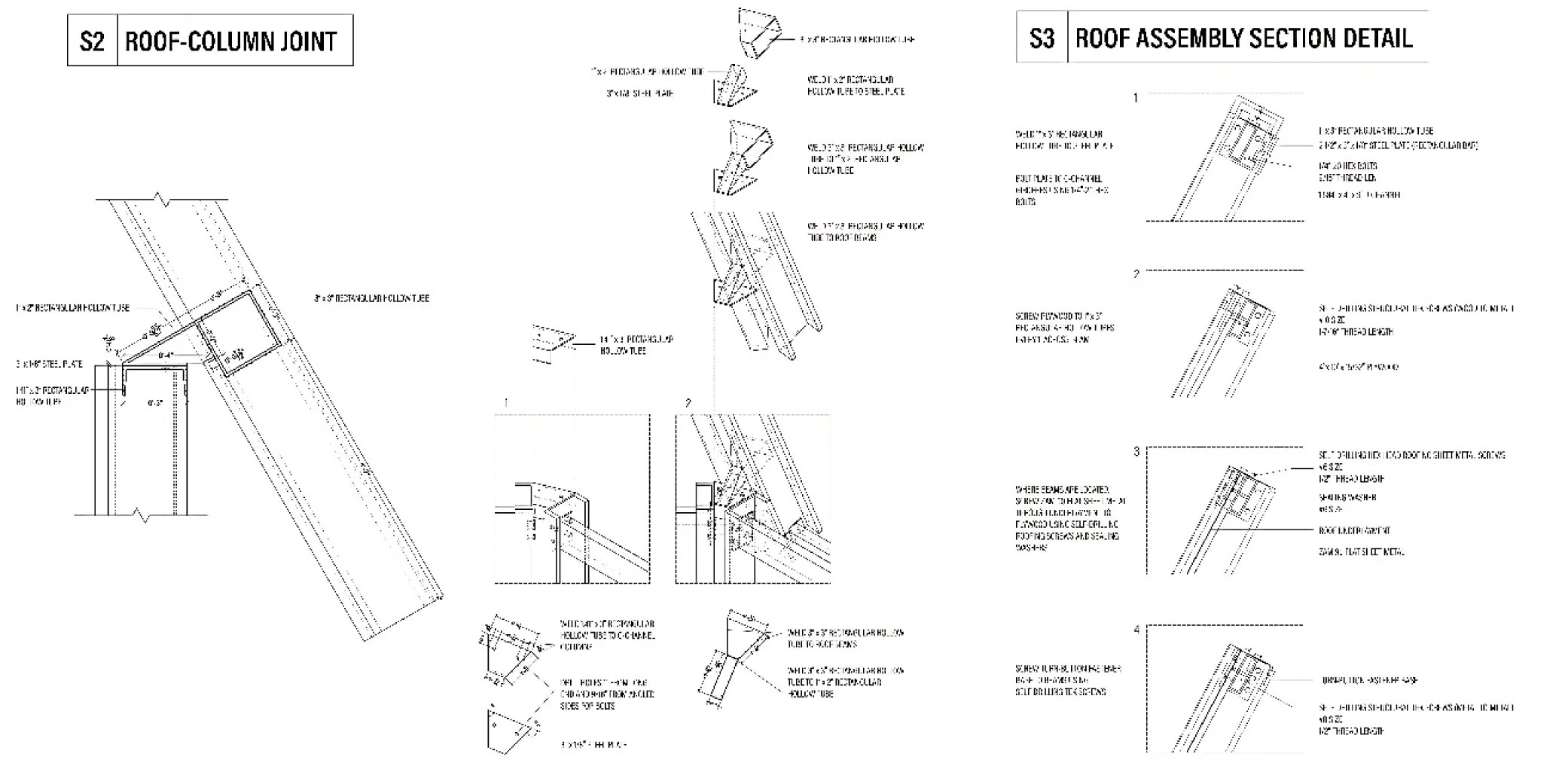
Figure 14. Section and axonometric drawings of the roof-column joint and its assembly details. Credits: Carlos Castro and Julie Waldrop.
Excavation is prohibited on site, a state preserve, making a traditional foundation system unfeasible. Concerns about wind gusts necessitated a system of stakes, like those of a tent, to fasten the structure to the ground. In testing, the structure's self-weight combined with the stake system proved effective at resisting uplift forces acting upon the flat materials.
Installed over a compacted and leveled foundation of sand and gravel (Figure 15, left), the shell-filled terrazzo units in shades of red provide a tactile surface and striking chromatic contrast that amplifies and celebrates Florida’s coastal identity and Timucua oyster use (Figure 15, right).
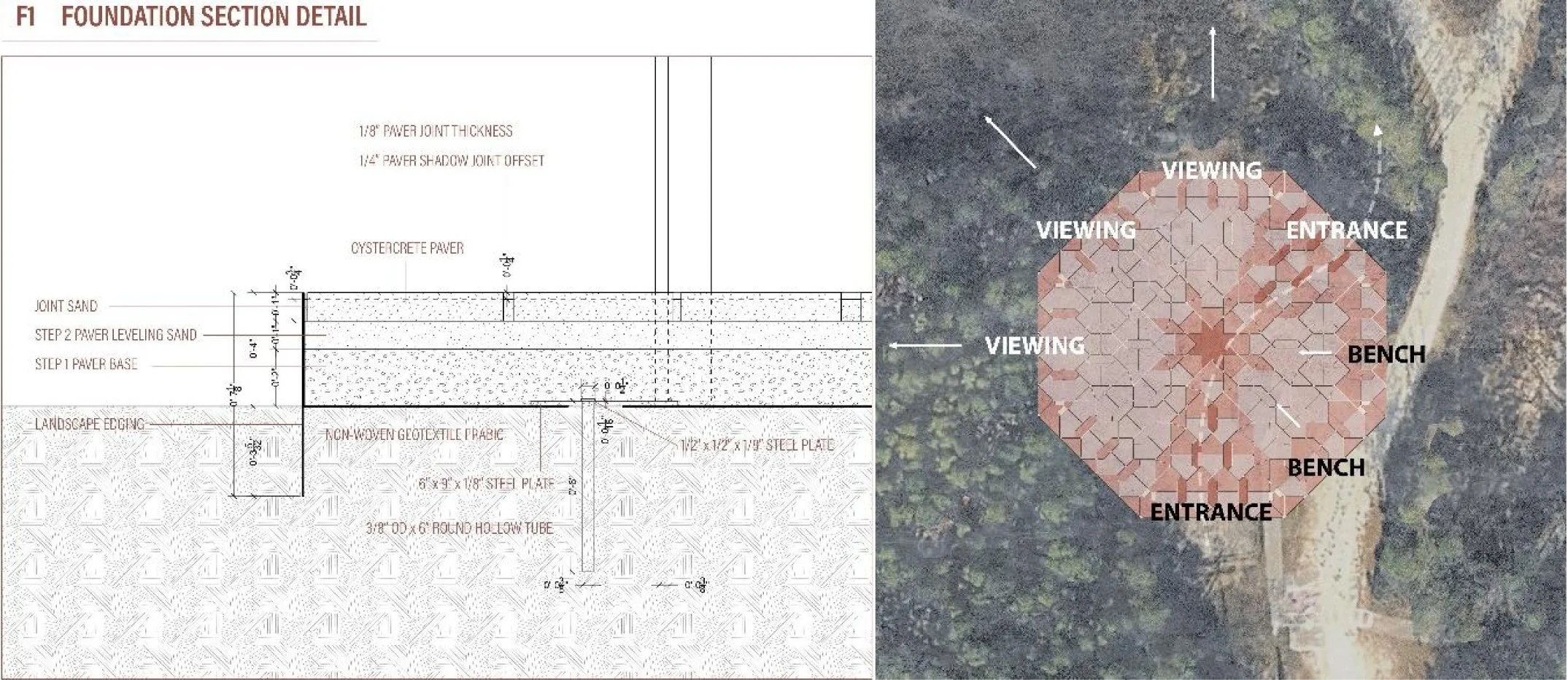
Figure 15. (LEFT) Section detail of foundation layers and column footing. Credits: Carlos Castro and Julie Waldrop. (RIGHT) Terrazzo paver plan with annotated experiential design intent inset into aerial site image. Credits: Carlos Castro and Julie Waldrop.
RESULTS
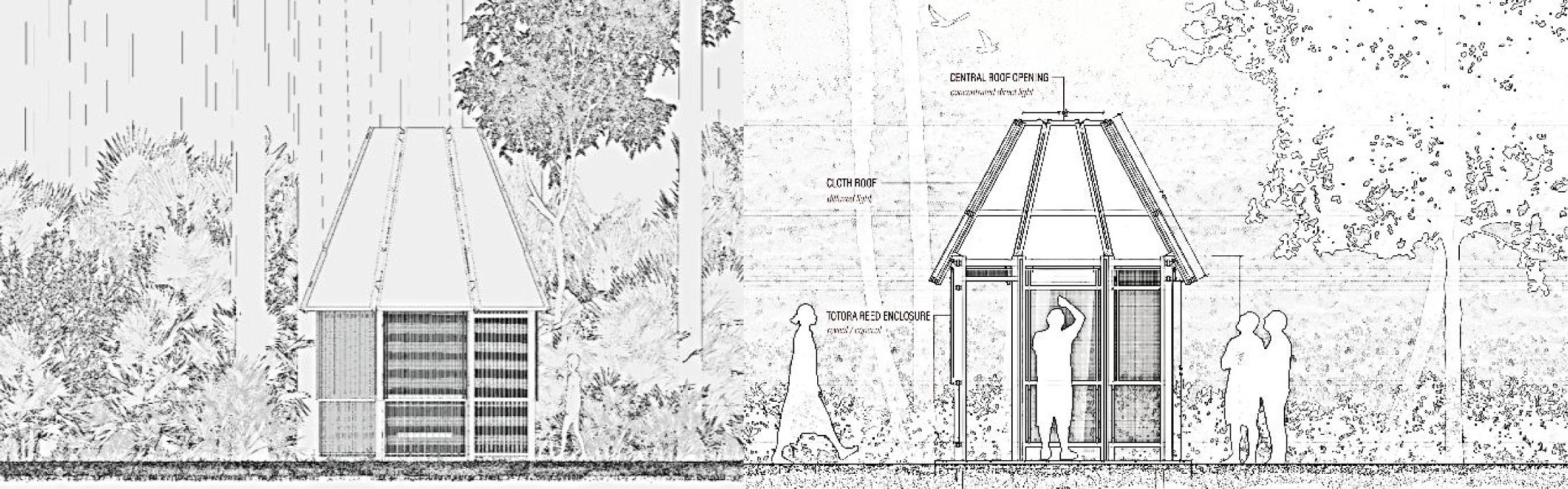
The Nature-Based Nomadic Pavilion demonstrates many aspects of resilience achieved through temporality and informed by vernacular building practices. The kit-of-parts logic and completed material experimentation are key to building the pavilion and to offering an accessible, materially experimental, temporary architecture (Table 1). The results of these methods are reflected in the pavilion design which, once built, shall be evaluated through four criteria: constructability, ease of deployment and relocation, environmental responsiveness, and experiential/cultural integration (Figure 16).
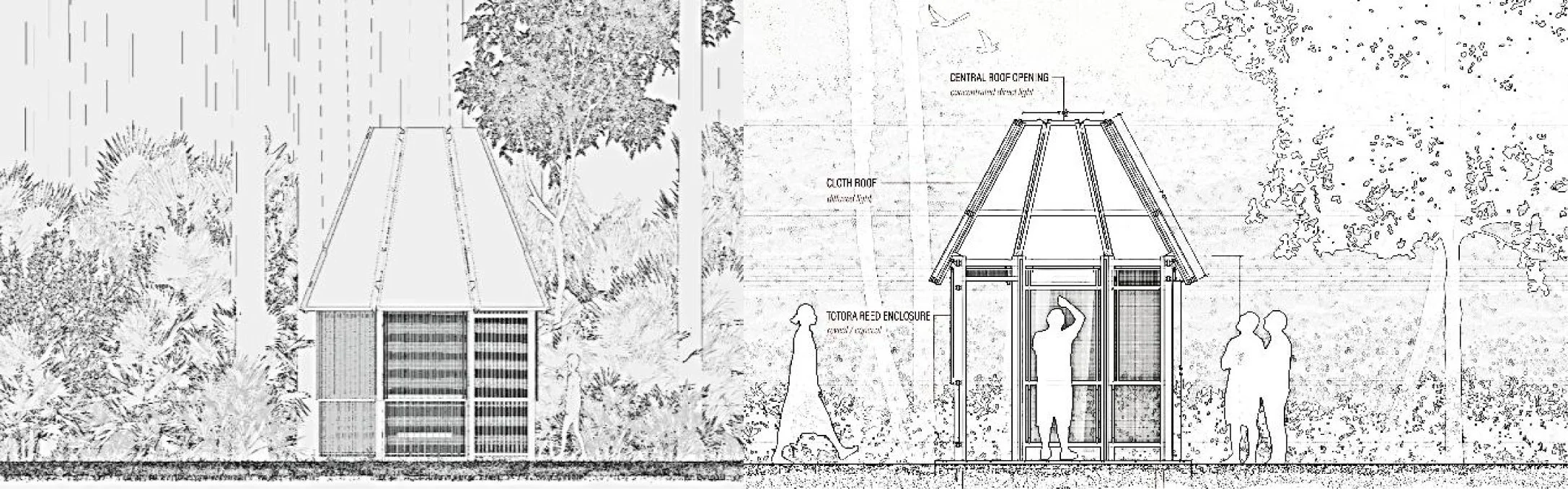
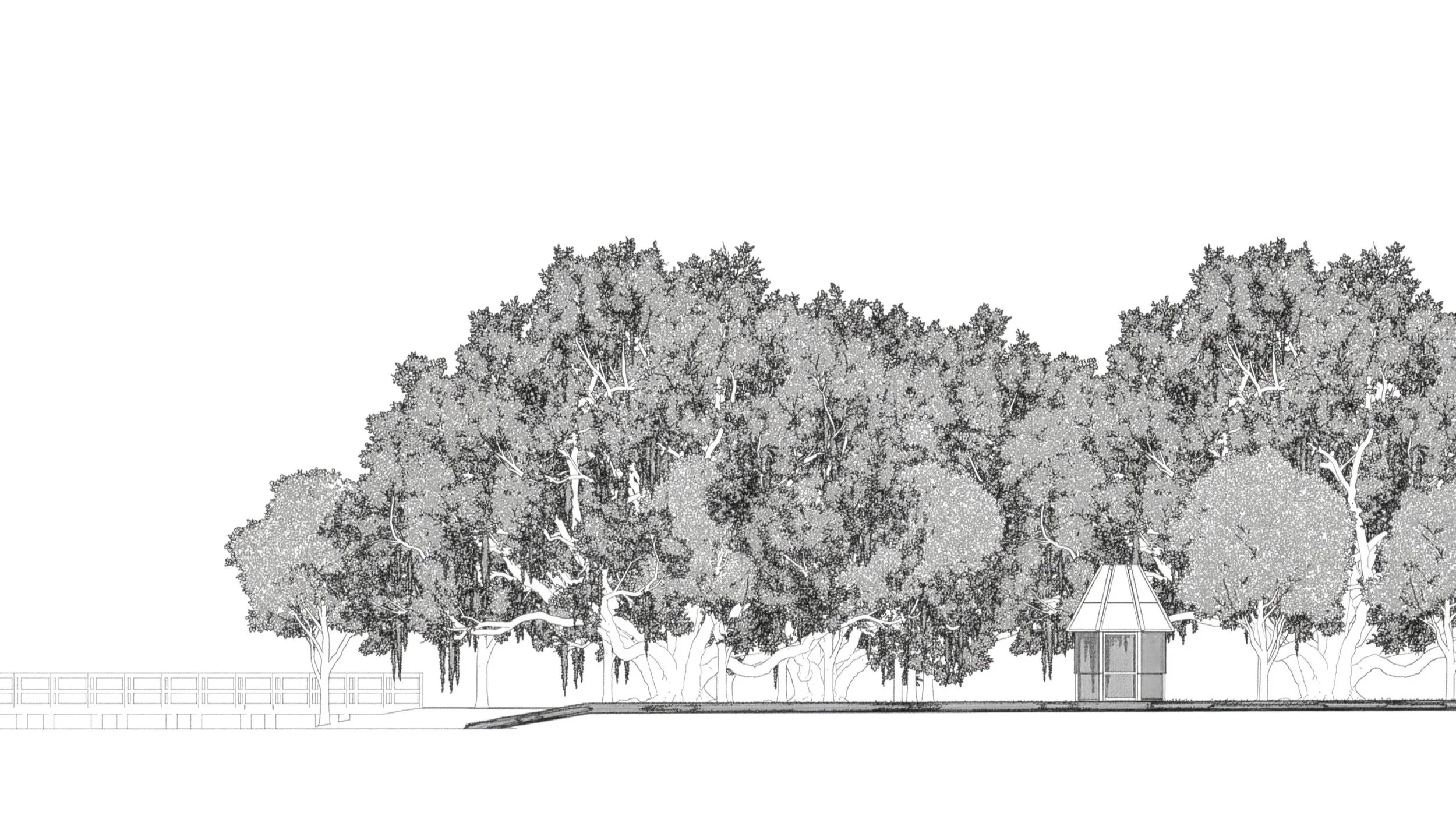
Figure 16. Illustrative pavilion Elevation (LEFT) and Section (RIGHT). Credits: Carlos Castro.
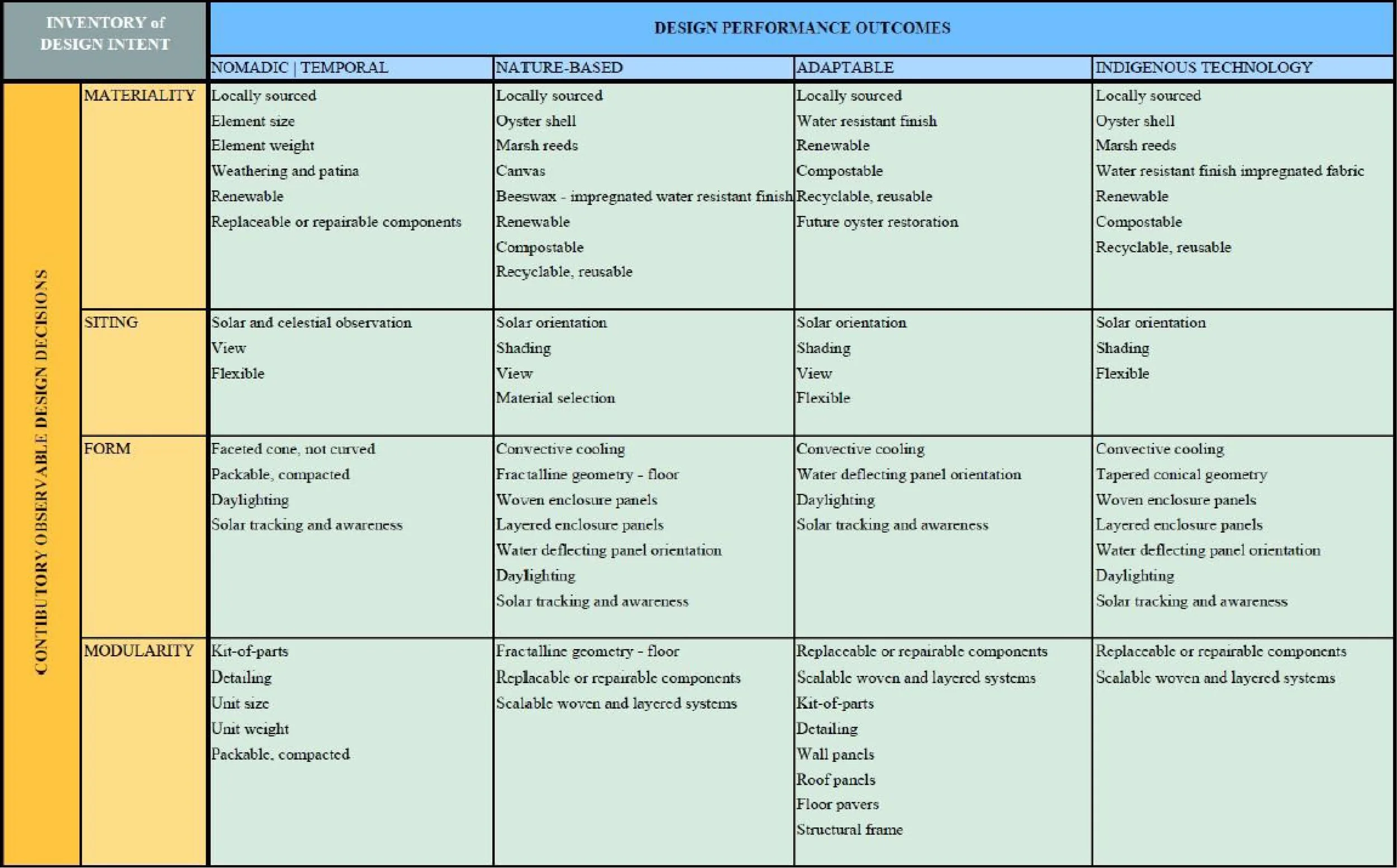
Table 1. Inventory of Design Intent: connections between observable design decisions with designed experiential or intangible performance outcomes. Credit: Judi Shade Monk.
Kit-of-Parts Logic for Nomadic Architecture
A series of conclusions can be drawn from this phase of work that will inform future phases. Each module would be premade off-site from individual elements under controlled conditions and then transported to the construction site to assemble the pavilion. Where connections between elements cannot be welded without compromising the modular structure, bolted connections can be used. These connections can be easily taken apart to replace damaged or aged nature-based materials.
If this kit-of-parts were to be taken to market, a client or contractor would receive individual precut elements with detailed assembly instructions. The instruction manual communication of the design is a format that can be adopted by industry (Figures 12, 13, 14, 15).
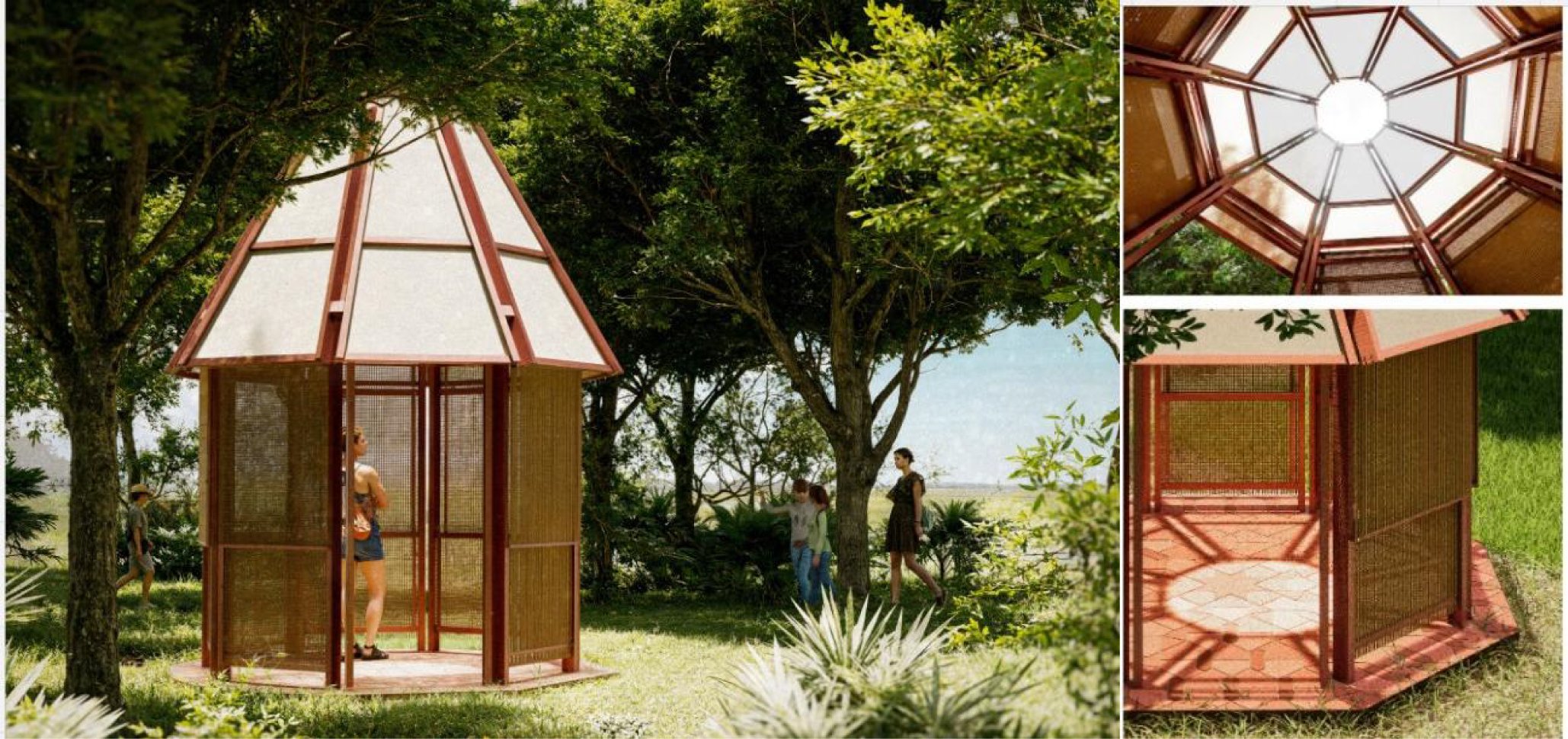
Figure 17. (LEFT) Illustration of pavilion design, (RIGHT) illuminated oculus and floor with sunlight and shadows. Credits: Carlos Castro.
CONCLUSIONS AND OUTLOOK
The pavilion’s design meets the four criteria established at the beginning of the project: offering a solution for a nomadic architecture in response to climate risk that recaptures lost elements of Indigenous built heritage and demonstrates local ecological material integration and adaptability (Figure 17).
Despite the successes of the primary goals, further investigation and development must be acknowledged. The proposed steel frame, while easily accessible, weldable, and prevalent in industrial construction, raises concerns about the weight and maneuverability of individual modules during assembly and disassembly. A lighter material, like aluminum, could replace the steel, but the design of the structure must be reconsidered.
The reed and waxed canvas panels will degrade due to environmental exposure. The bolted connections allow for replacement but also introduce the need for quality control. Additionally, the bolts themselves will weather. Addressing these concerns will improve the desirability and accessibility of the design and kit-of-parts.
The Nature-Based Nomadic Pavilion demonstrates how nomadic, nature-based, and digitally fabricated architecture can be adaptable and a meaningful solution to climate change.
Gallery
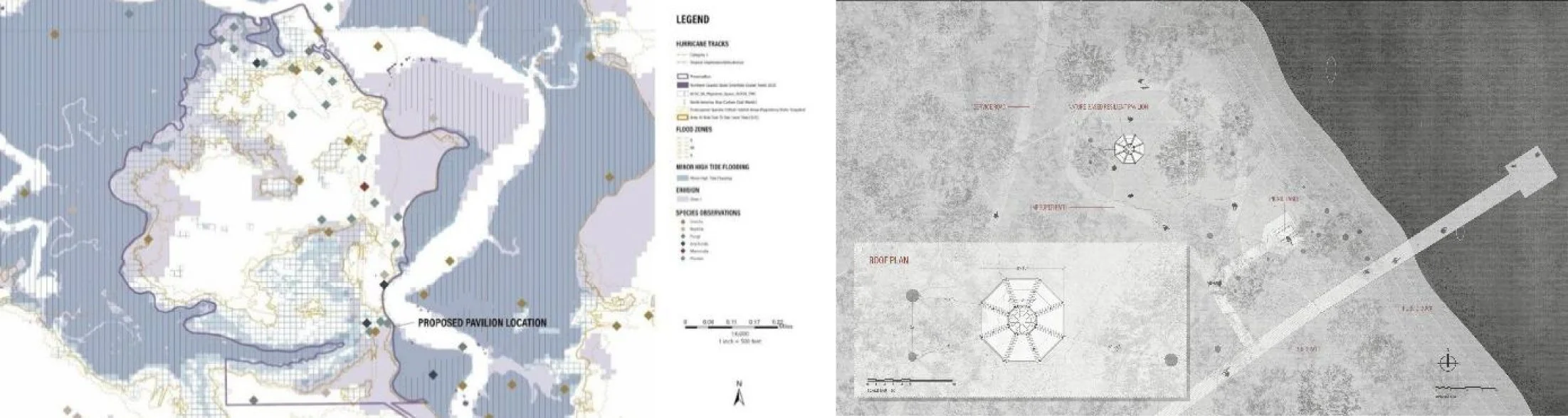
GIS mapping and Nature-Based Nomadic Pavilion site plan
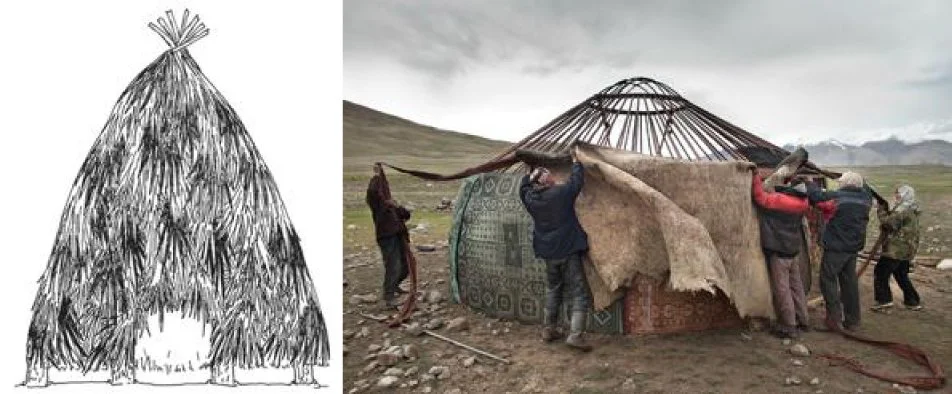
Illustrative depiction of a Timucua hut and Reconstruction of a Mongolian Yurt
Precedent typologies of the Timucua hut and Mongolian yurt
Oysters sourced from GTM Research Reserve and Terrazzo pavers samples
Black Needle Rush and Giant Bullrush
Reed stitching with controlled spacing

Two tessellation strategies
Sample paver pattern iterations
Generation algorithm of floor pattern
Drawing depicting eight types of paver forms and their locations within the floor pattern
3D Printing of oyster-crete terrazzo paver mold positives
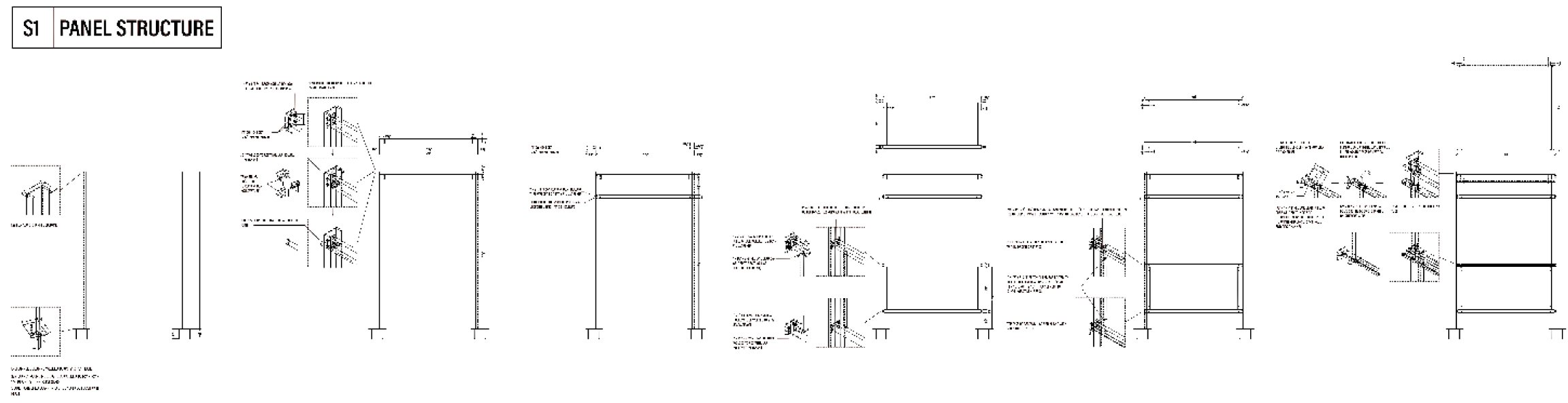
Panel structure
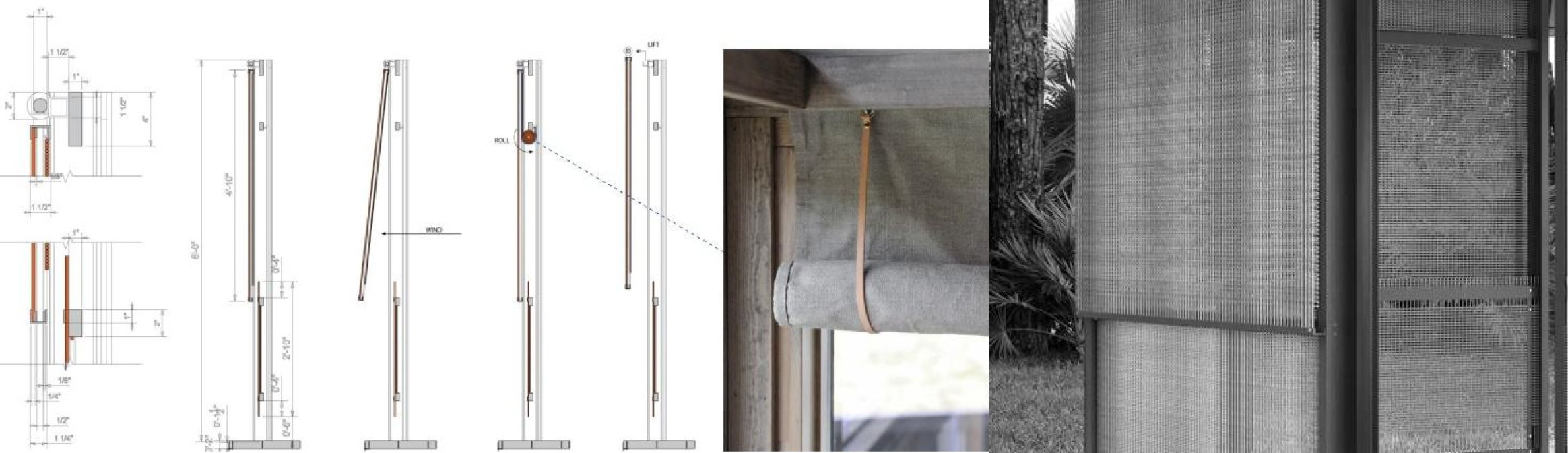
Wall details of reed wall panel
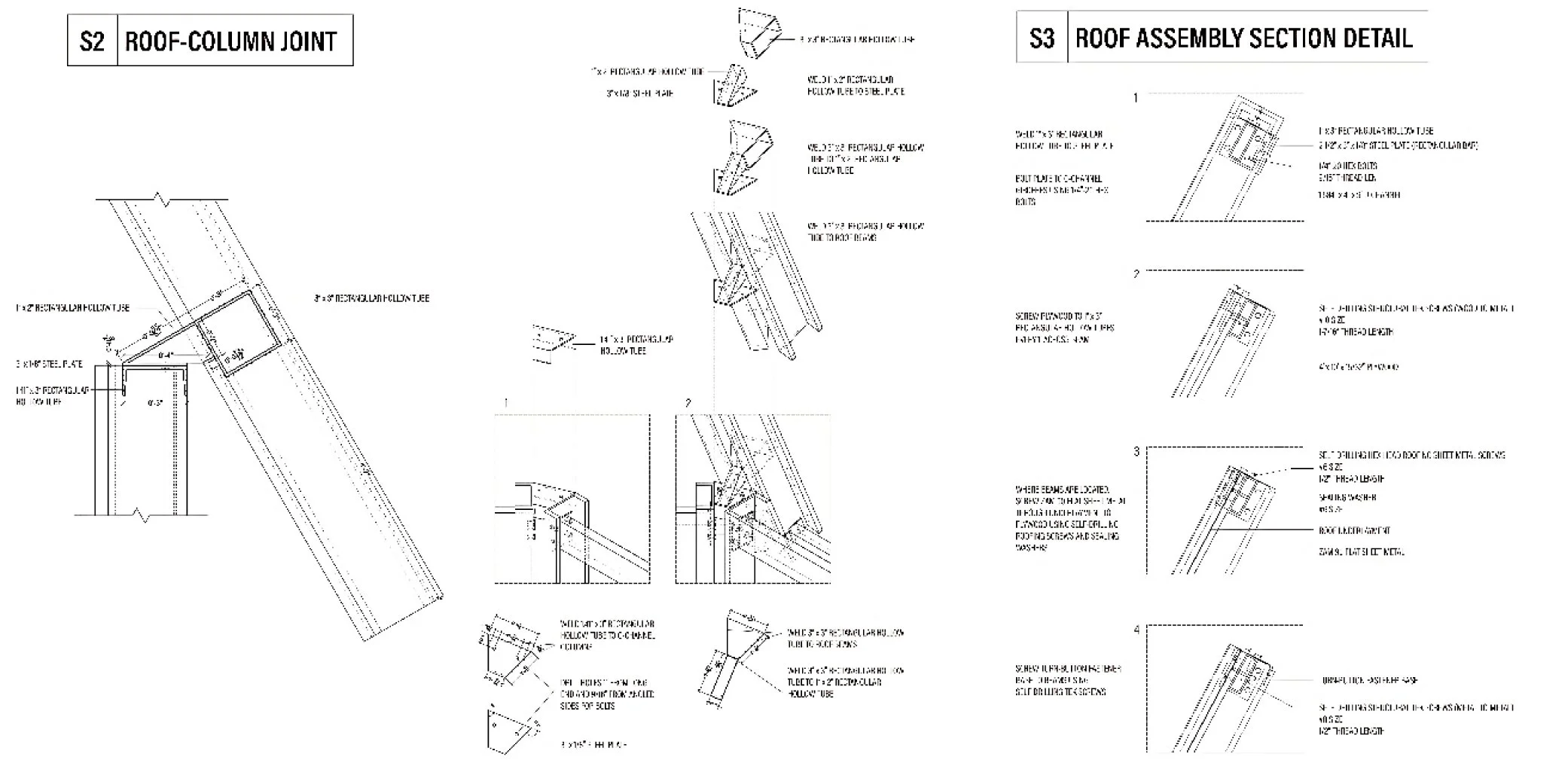
Section and axonometric drawings of the roof-column joint and its assembly details
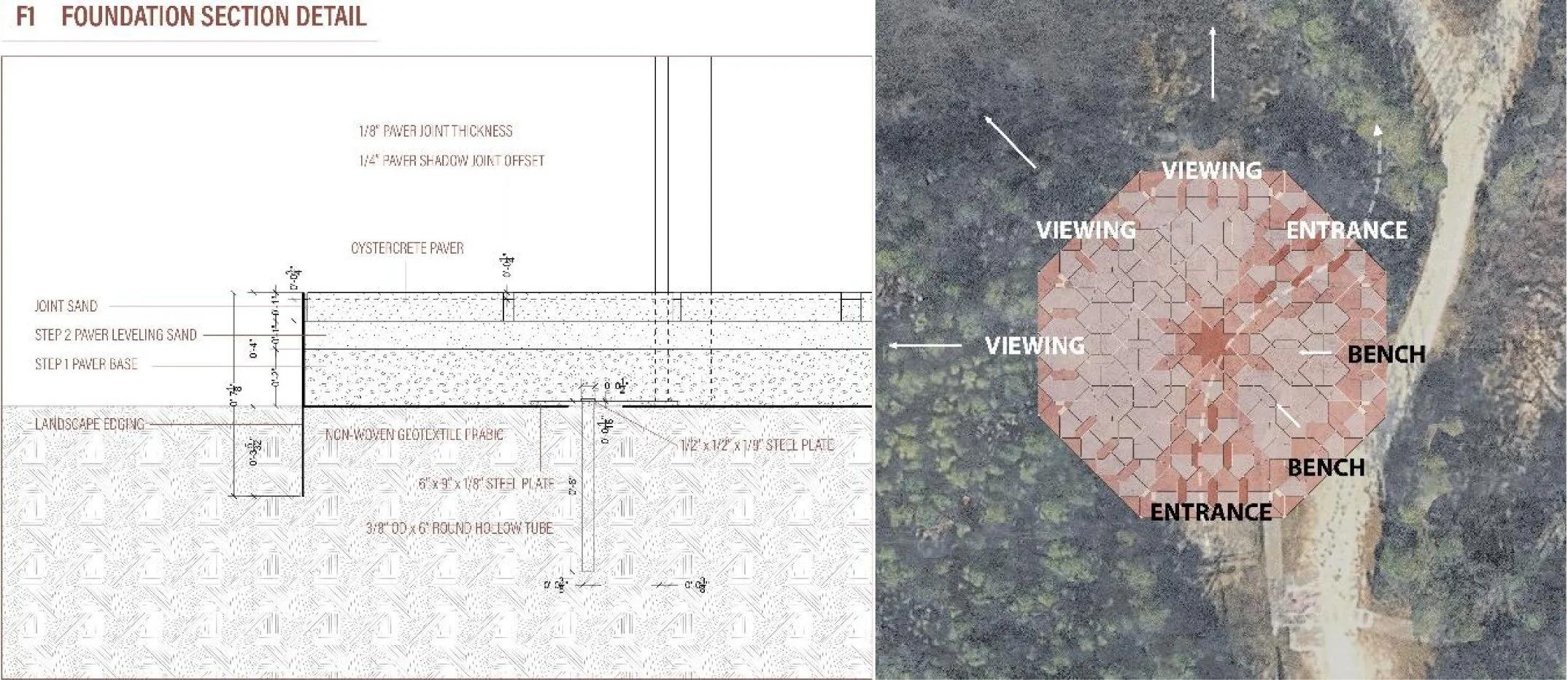
Section detail of foundation and Terrazzo paver plan
Illustrative pavilion Elevation and Section
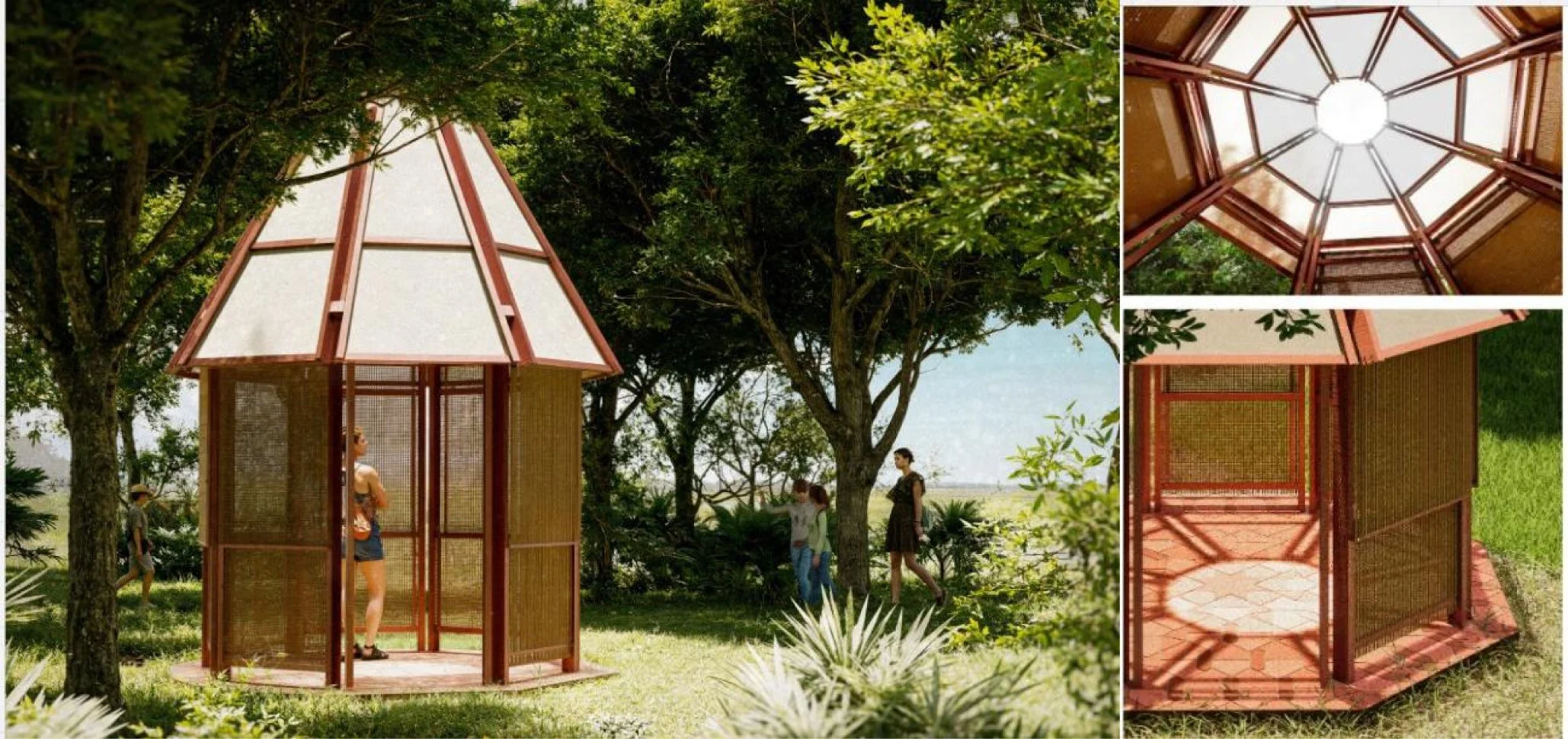
Illustration of pavilion design