CONSTRUCTING CONDITIONS OF DESIGN
Working with 52,000 3D models from the web
In collaboration with Adil Bokhari
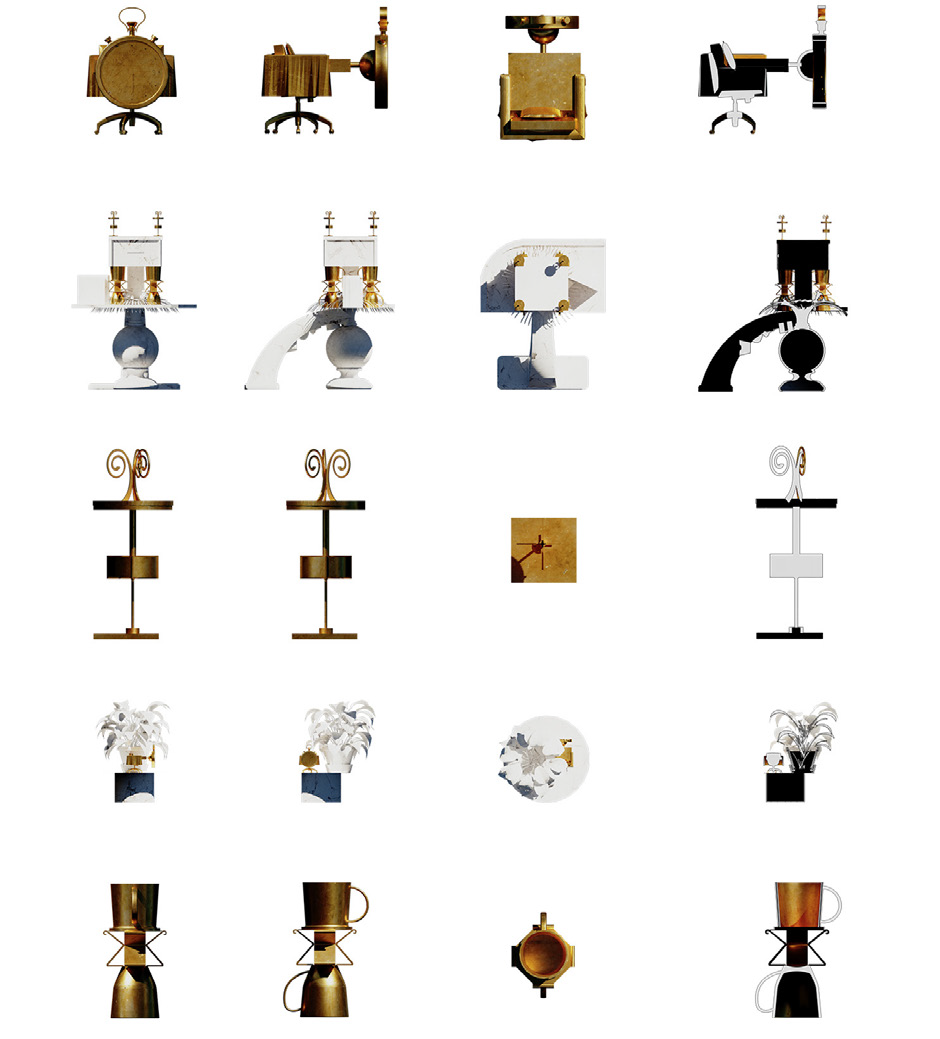
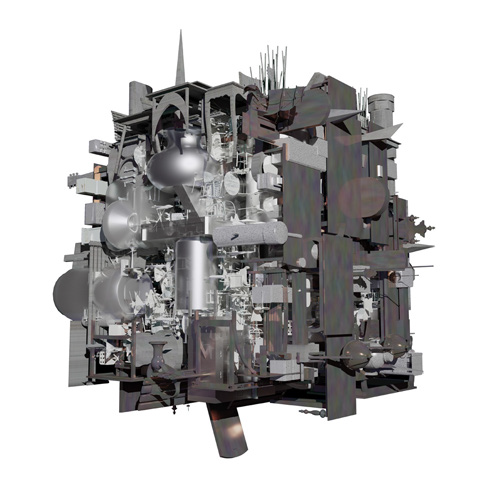
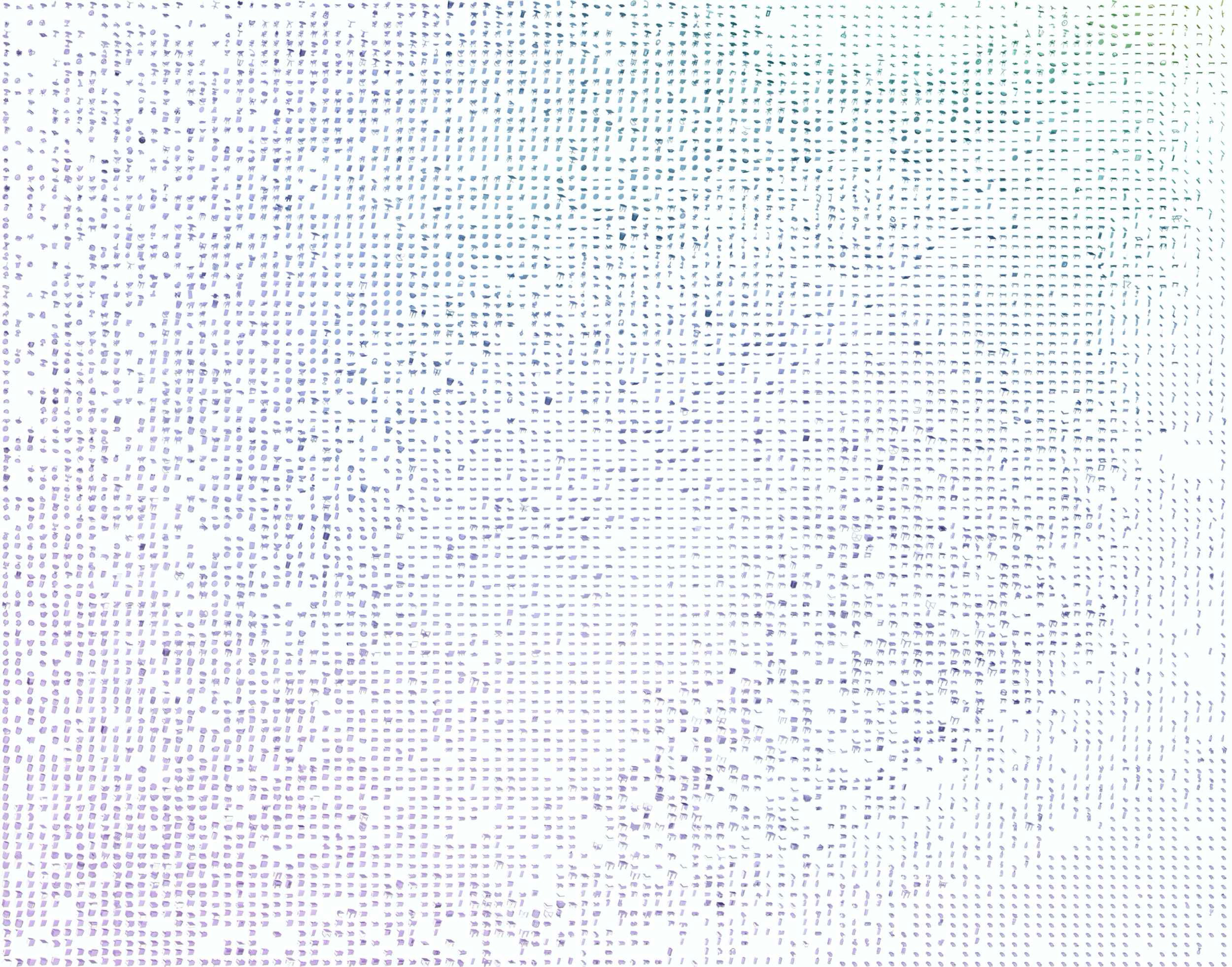
How can we navigate through a large amount of 3D models on the web? Today more than ever, it is relevant to create tools that allow an informed selection of elements/models to articulate architectural spaces that take advantage of the variety of models and respect the requirements posed by the architect. To approach this problem, we propose an experiment where we collected 52,000 3D models from the web, creating a database that was fed to a clustering algorithm (Self-Organized Maps) to create an interactive interface that orders the 3D models according to their formal properties. We presented this tool to students at the ETH in Zurich to build architectural objects that take advantage of the abundance of elements and be focused on specific items. With this interface, students could easily navigate the panorama of options and select the family of objects to work with. After choosing the 3D models, they continue their design process to create buildings that resemble living spaces, where the selected objects have to assemble as a whole. The students’ focus was to carefully develop the details where the objects and the composition could be appreciated simultaneously. Therefore, the design process encompasses and achieves detailed and specific architectural articulations from abundance.