
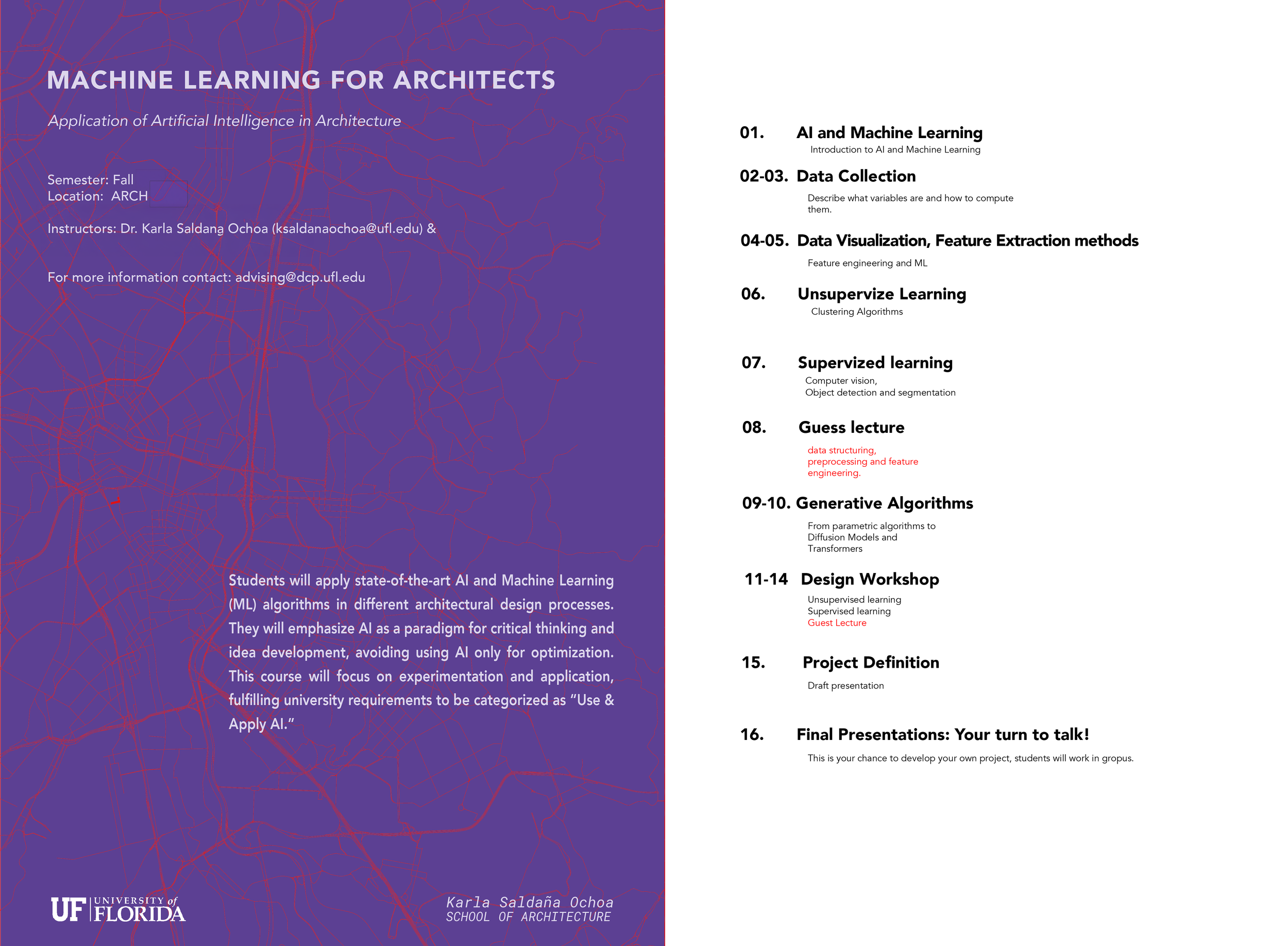
Course Description
Students will apply state-of-the-art AI and Machine Learning (ML) algorithms in different architectural design processes. They will emphasize AI as a paradigm for critical thinking and idea development, rather than relying solely on AI for optimization and decision-making. This course will focus on experimentation and application.
Machine Learning for Architects
Prof. Karla Saldaña Ochoa

The Global Network
The second movement (in 1970) changed the mechanical point of view inherited from the Industrial Revolution to a network point of view. This vector created the Internet, which collapsed both the ability to communicate and to record knowledge over time. The internet also changed architectural practices from one with limited resources to one that can access a lot of information or big data to enrich their work. And thanks to this data today there is the massive application of artificial intelligence algorithms. So, I wonder how AI algorithms will influence the next 30 years.

AI Research Areas
In their classic 1995 book Artificial Intelligence: A Modern Approach, Stuart Russel and Peter Norvig divided AI into five research areas based on the Turing test: machine learning, expert systems, computer vision, natural language processing, robotics, and automatic generation.

With the current abundance of data and artificial intelligence algorithms, the aim is neither to resolve problems by assigning all responsibilities to artificial intelligence nor to create projects based solely on human intelligence. These two forms of intelligence have specific assets and capabilities that should be brought together to interact. The more they interact, the more both bits of intelligence gain. This class guided students to explore the AI process applied to a research question, understand the steps to arrive at a prediction, and be aware of the validation methods.
Computation
If we look back at the history of computation, we see that we have gone through a wild movement of decentralization from monofunctional machines to a world of applications.
We have gone From one computer-many people (1943) to one person computer (1974), and today, we have reached a radical inversion with one-person devices (2021). Those devices continuously record our day-to-day lives.

Artificial Intelligence
AI has two branches of research: the first goes towards reducing human intelligence to symbolic manipulation. And the second goes towards a simulation of neurological behavior. The first, on the left, concerns rule-based systems, such as decision trees, and is based on logic. The second, on the right, investigates the creation of artificial neural networks.

Today’s Artificial Intelligence
Nowadays, these branches have been merged. Before, each one focused on one type of data, but now algorithms like CHATGPT fuse data. These artificial intelligence algorithms can be considered problem-solving tools. However, from my point of view, nowadays, instead of solving problems, AI dissolves them.
Sample of Student’s Work

This course focused on experimenting and applying state-of-the-art ML algorithms in architecture practices, from faculty, planning, design, and construction.
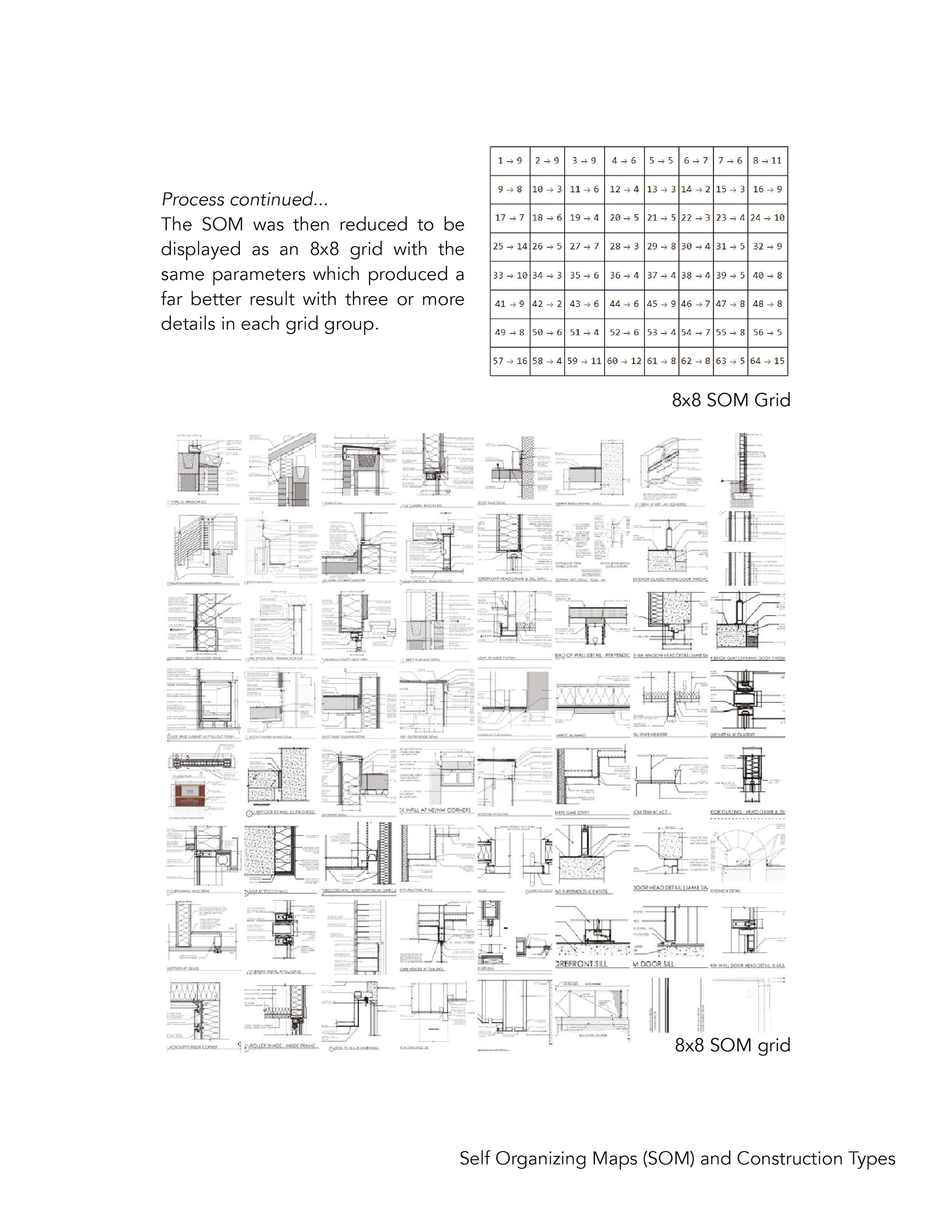
SOM analysis of construction detail types.
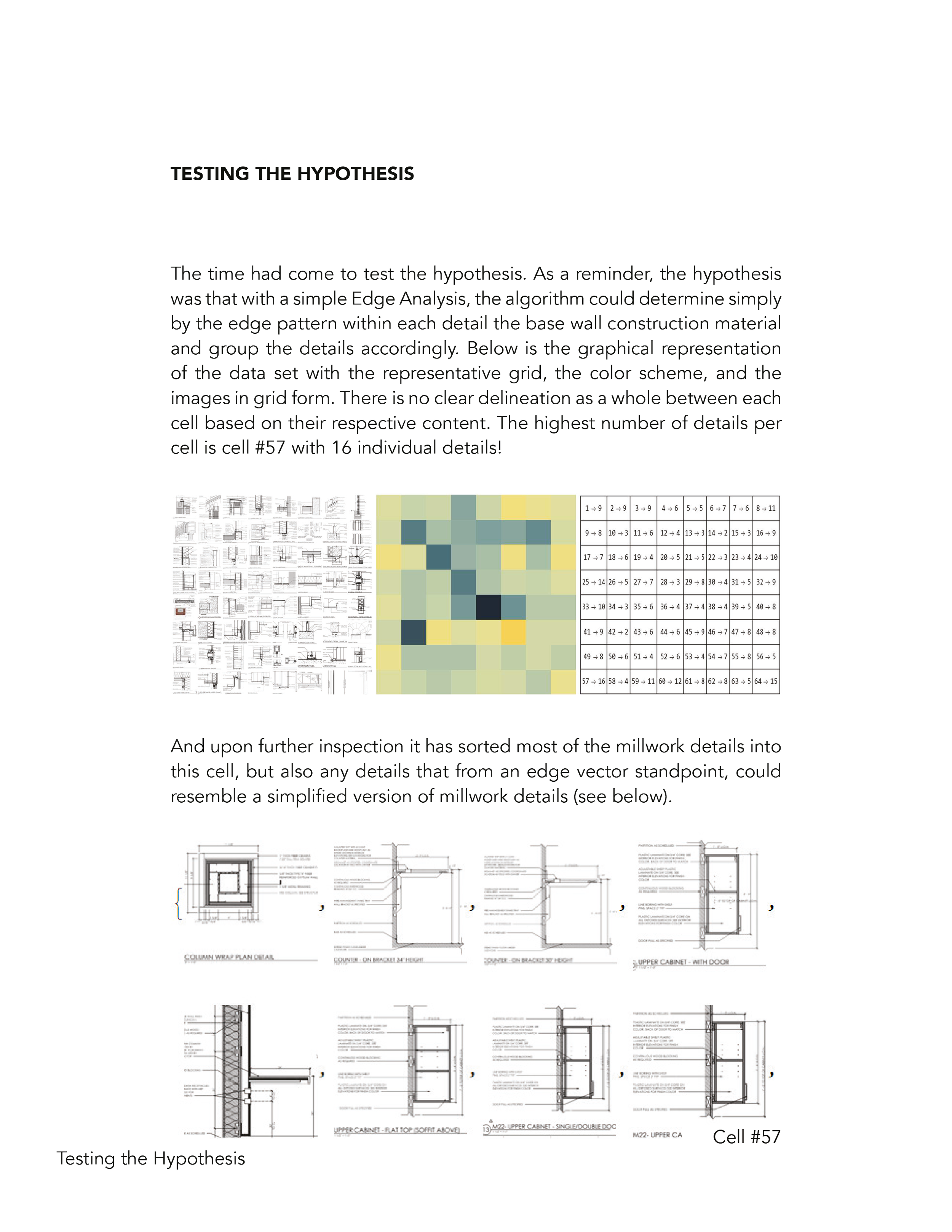
ML classification test for construction details.
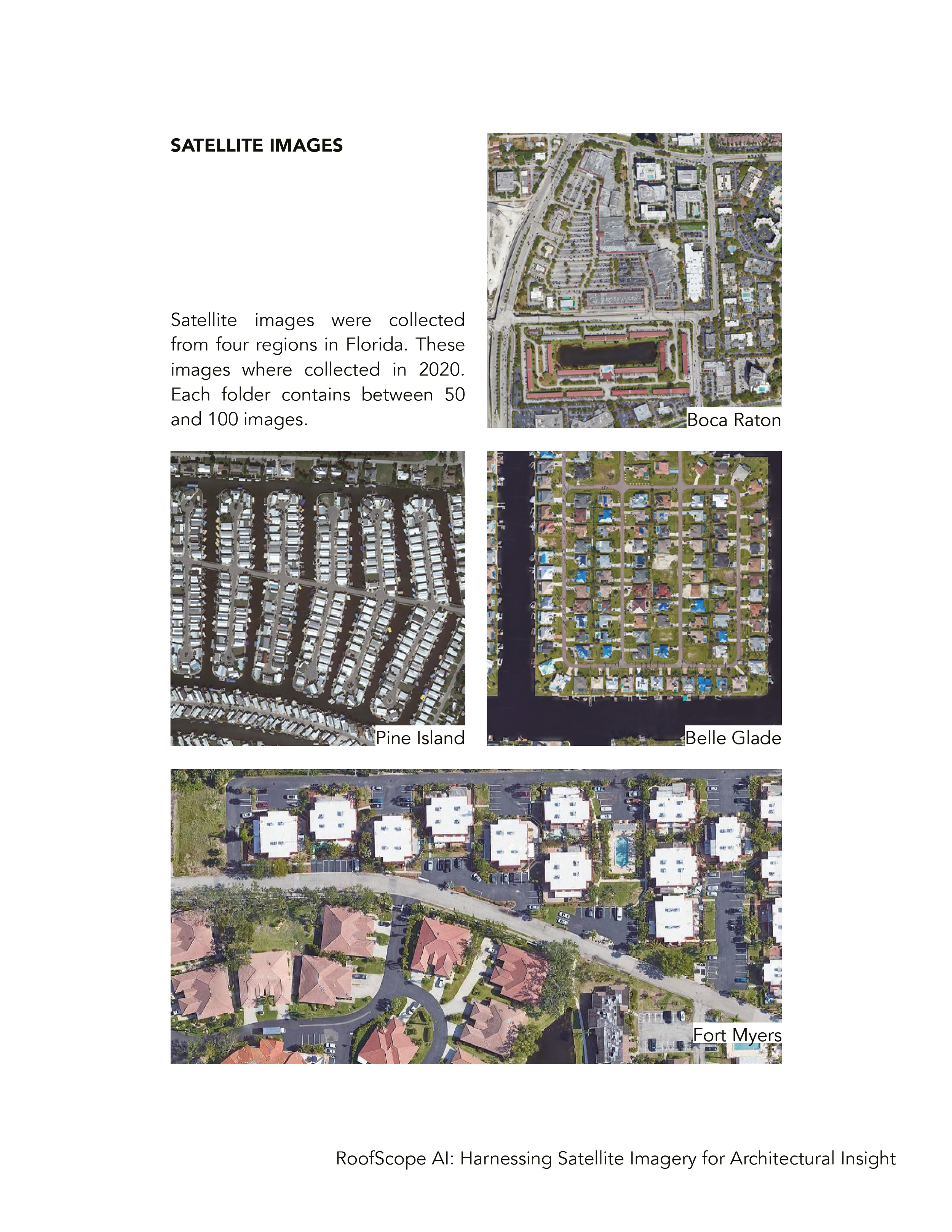
Satellite image datasets from Florida sites.
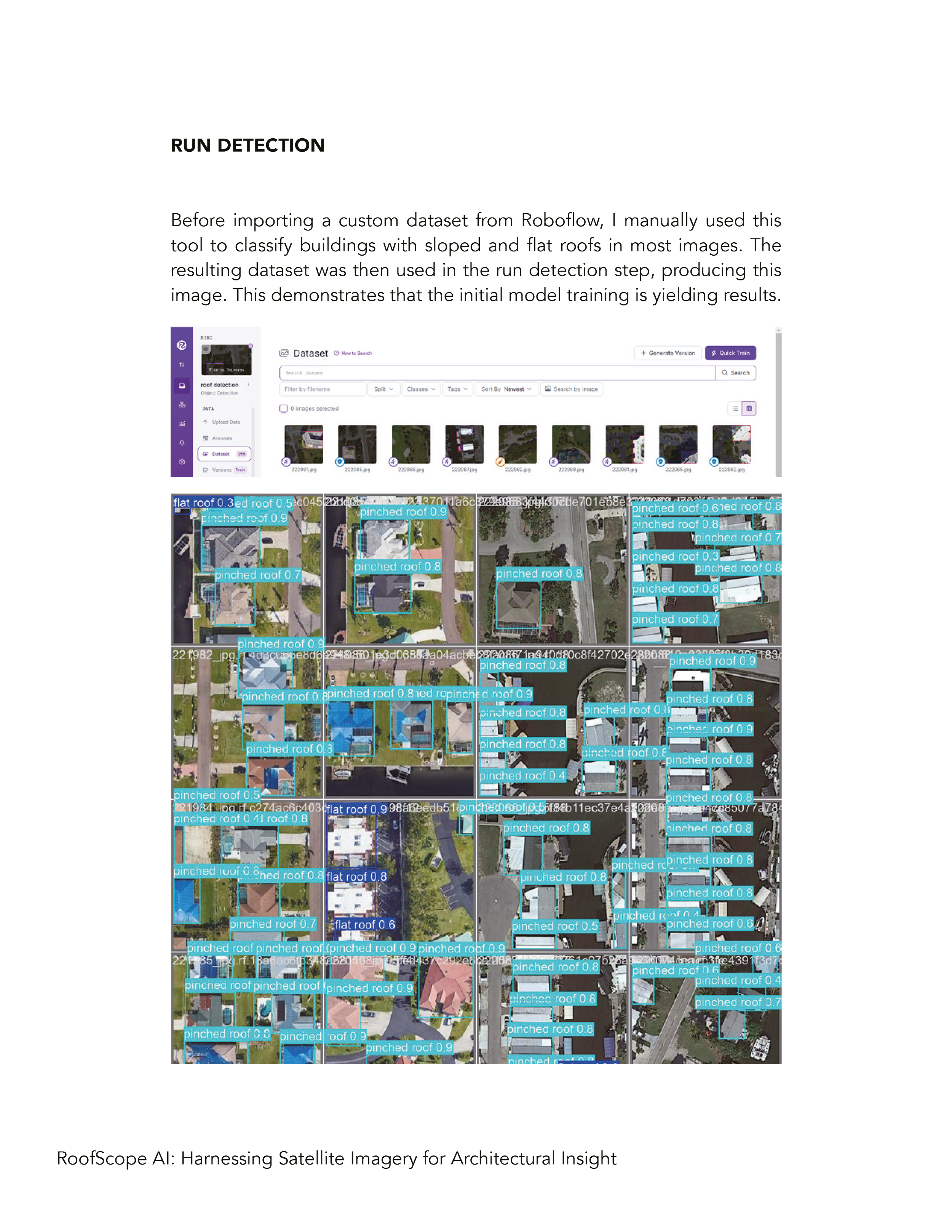
Roof detection process on satellite imagery.
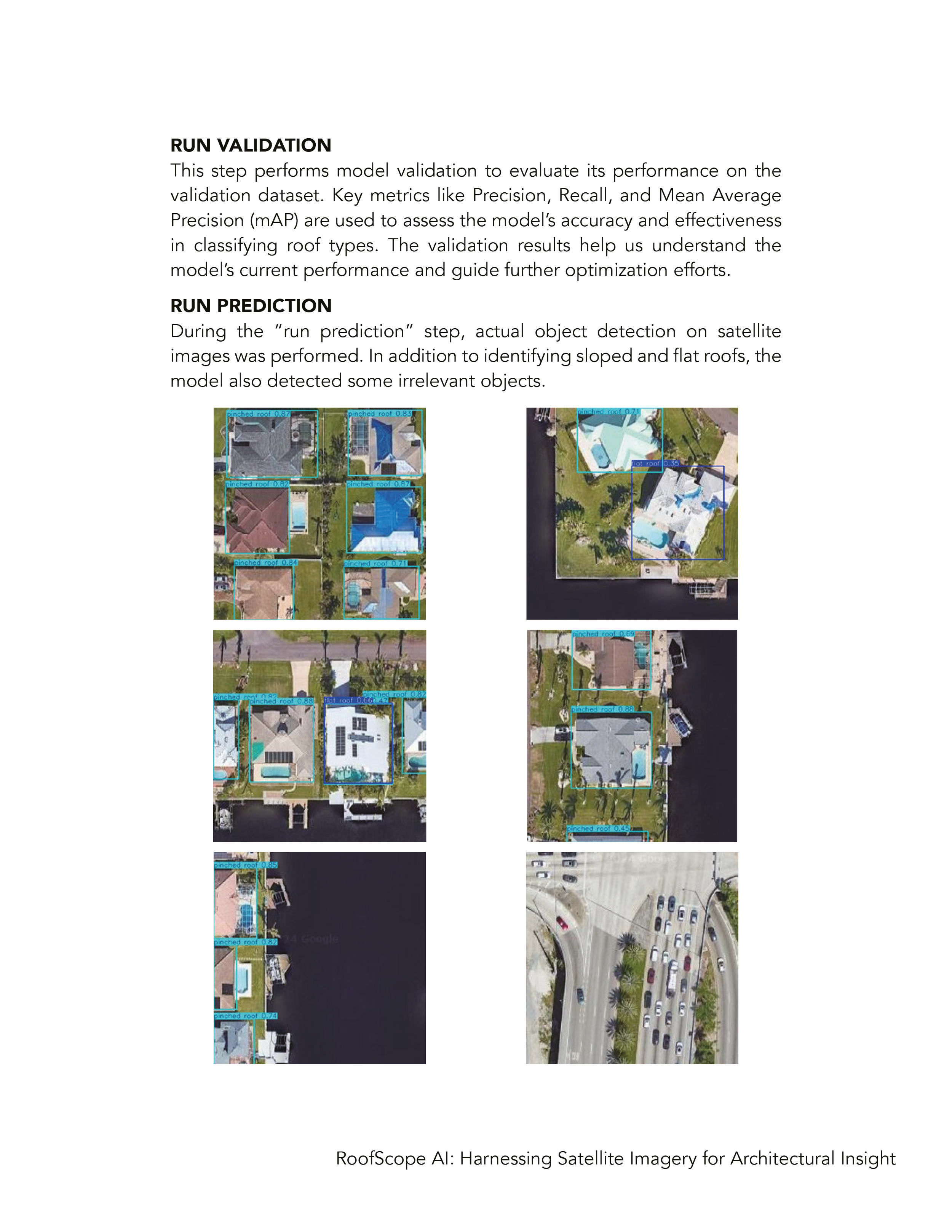
Roof detection validation with prediction results.
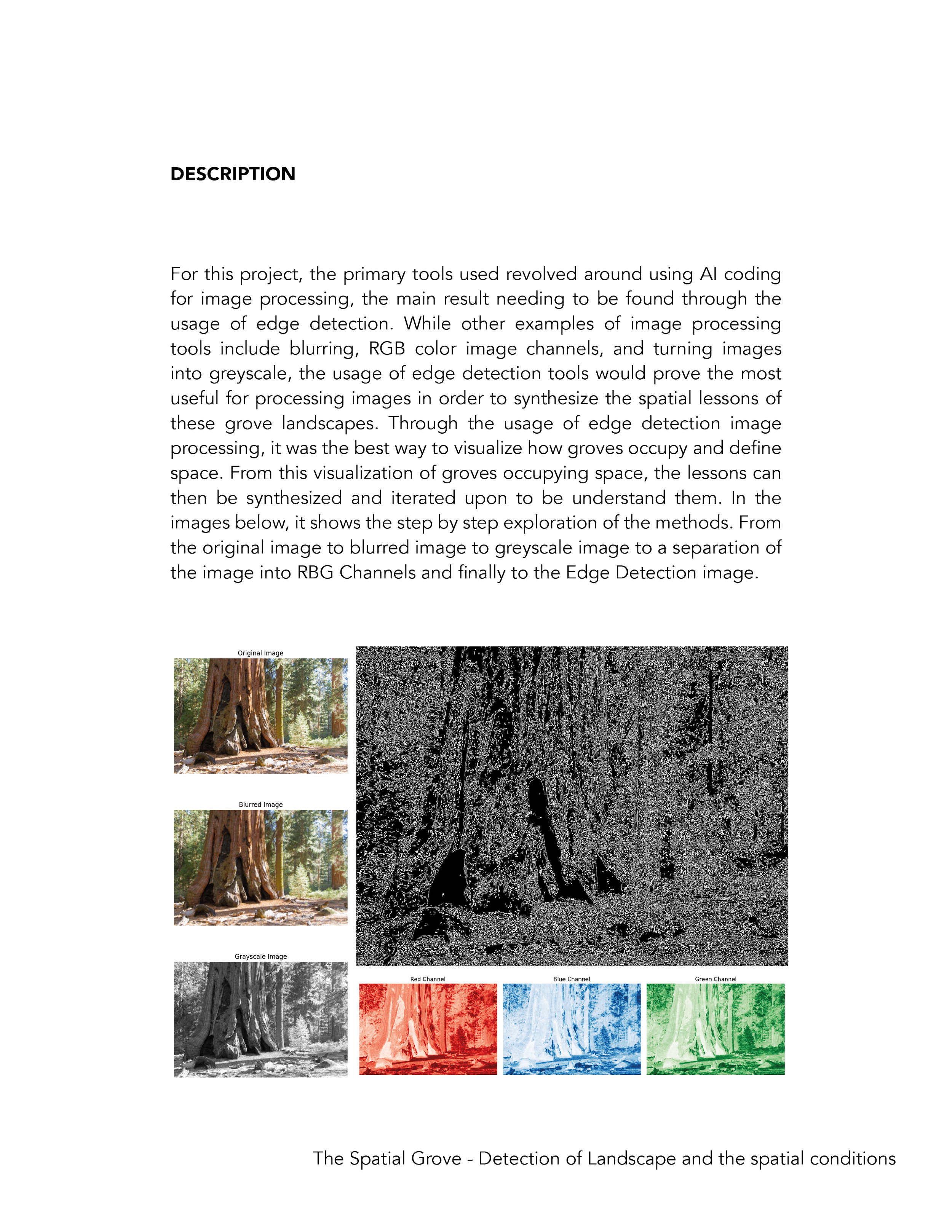
Image processing workflow for landscape detection.
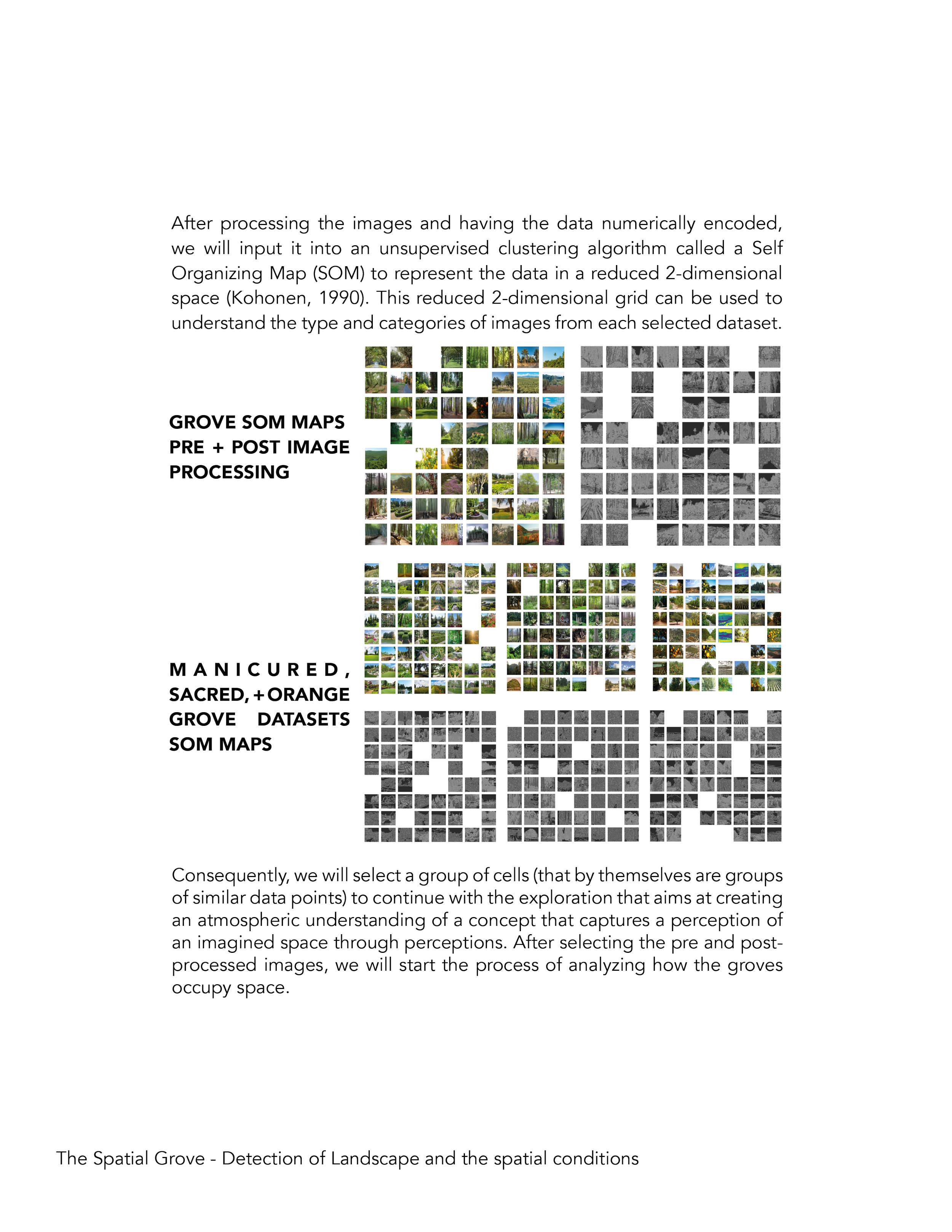
SOM maps for processed grove images.
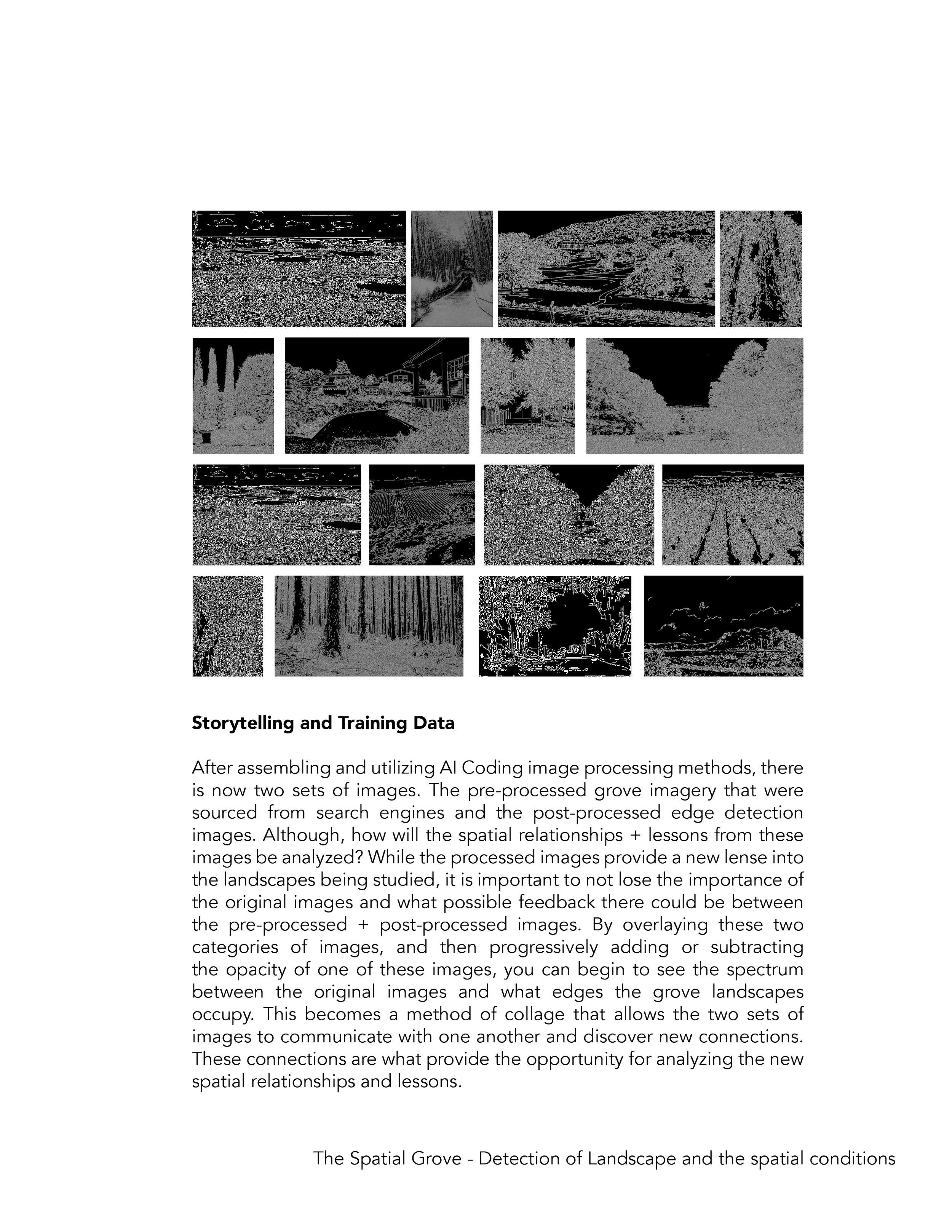
Training data for landscape analysis.
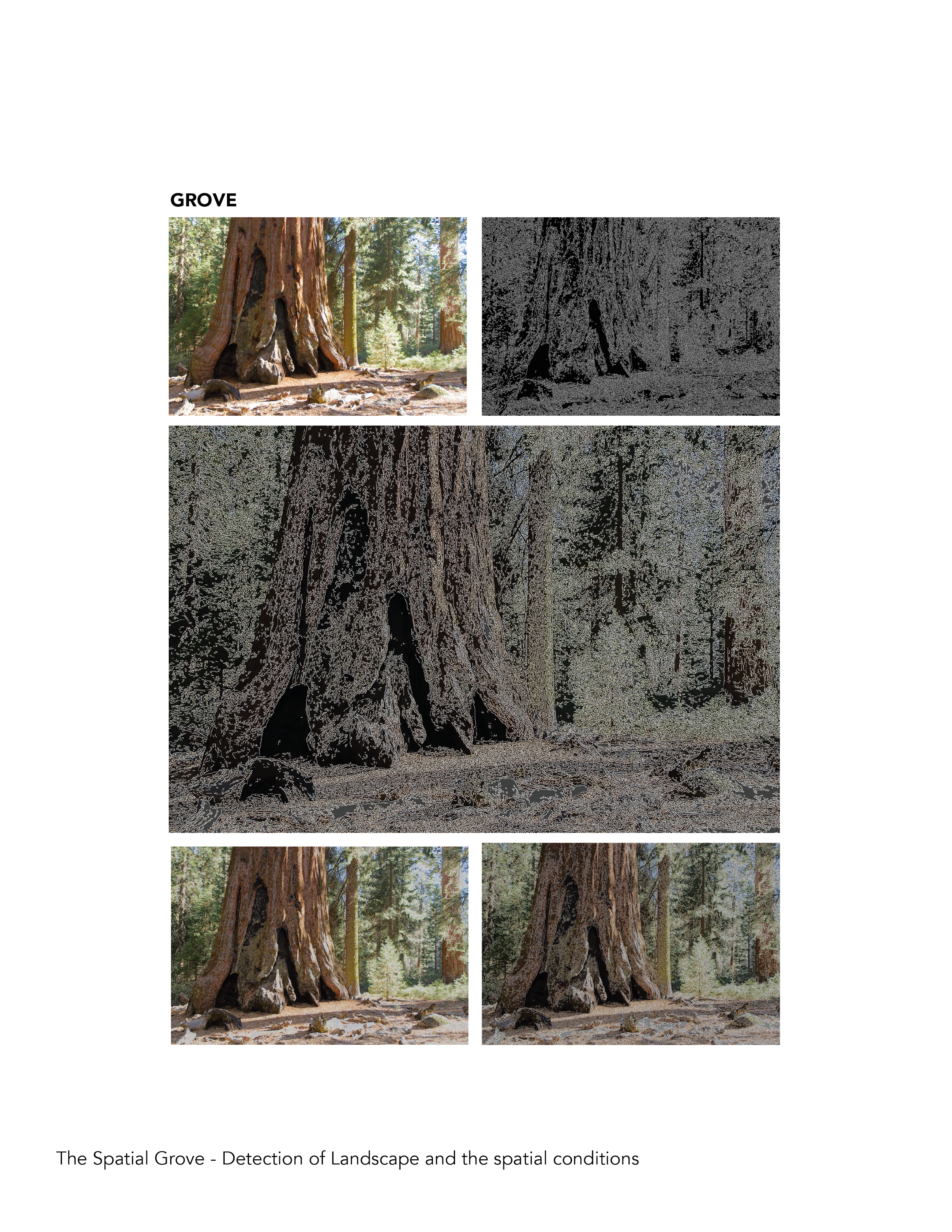
Grove image comparison with edge detection results.
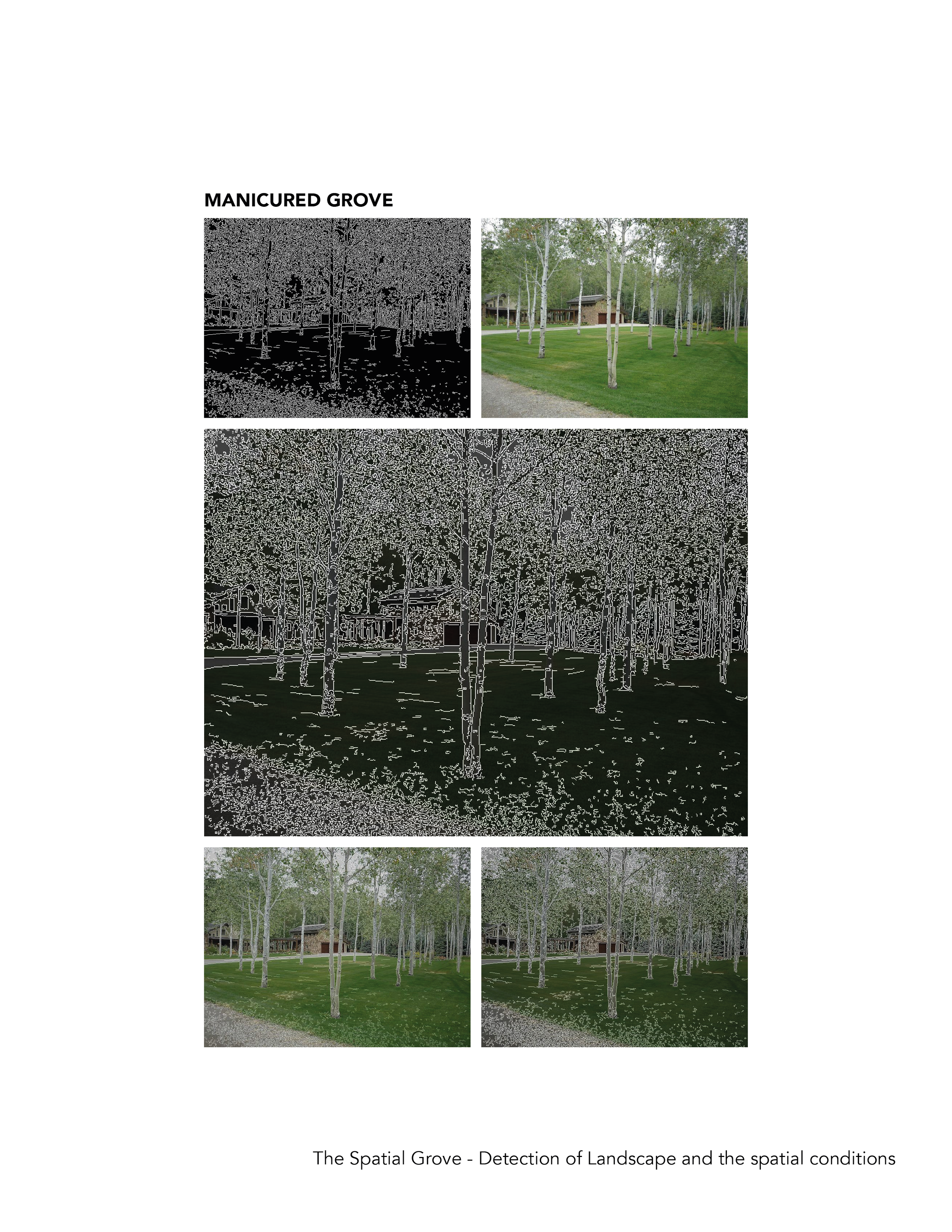
Manicured grove images compared with edge detection.
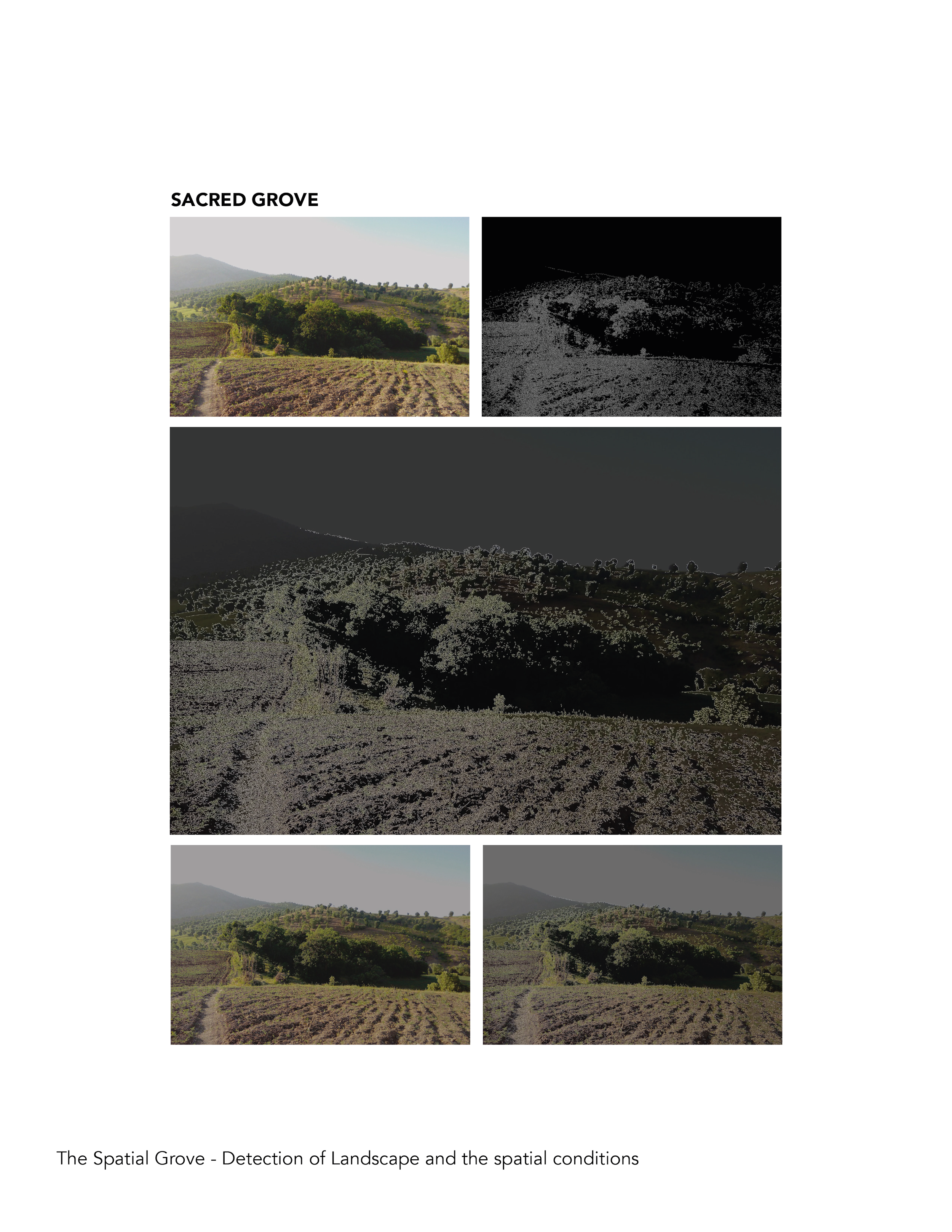
Sacred grove images compared with edge detection.

Manhattan base map for spatial analysis.
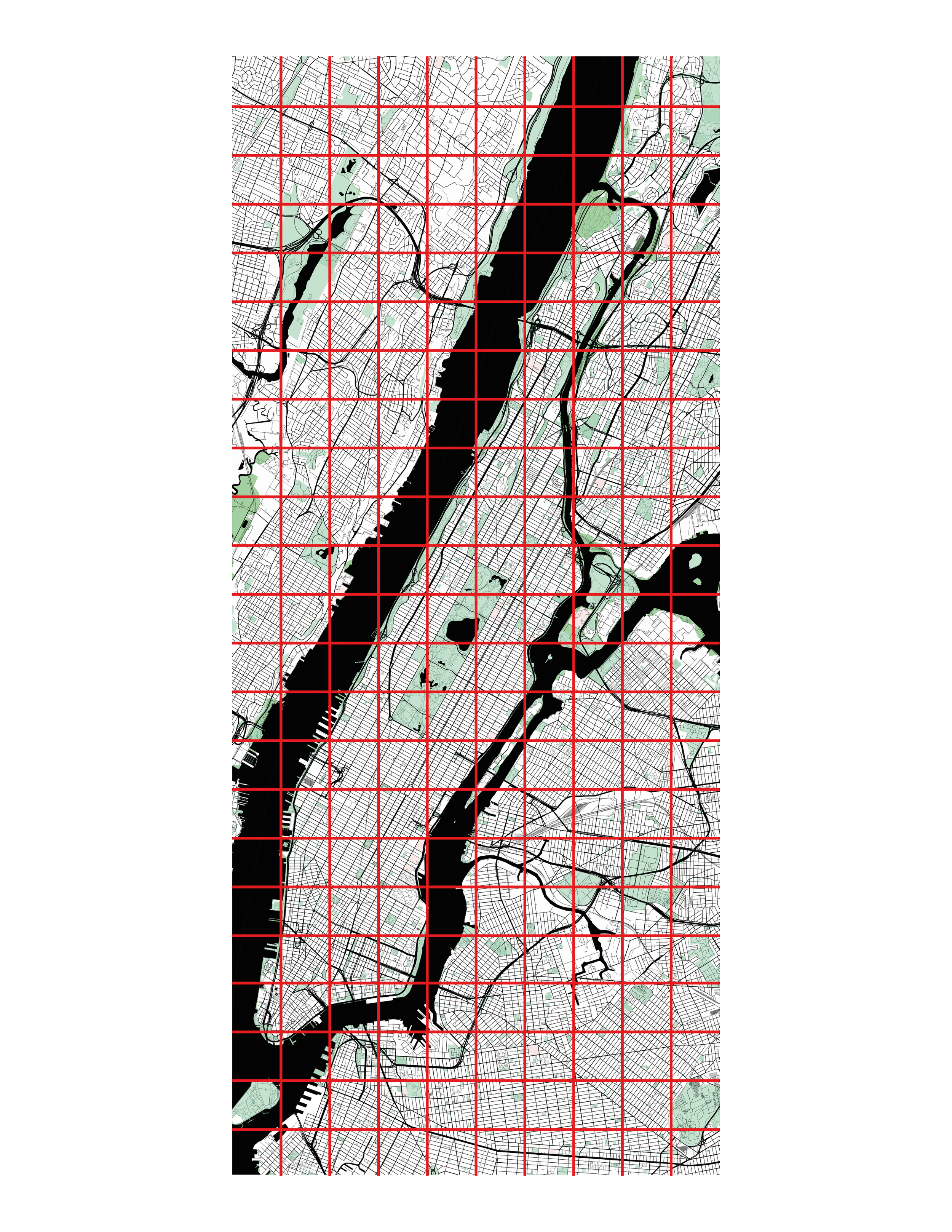
Manhattan map divided by a grid.
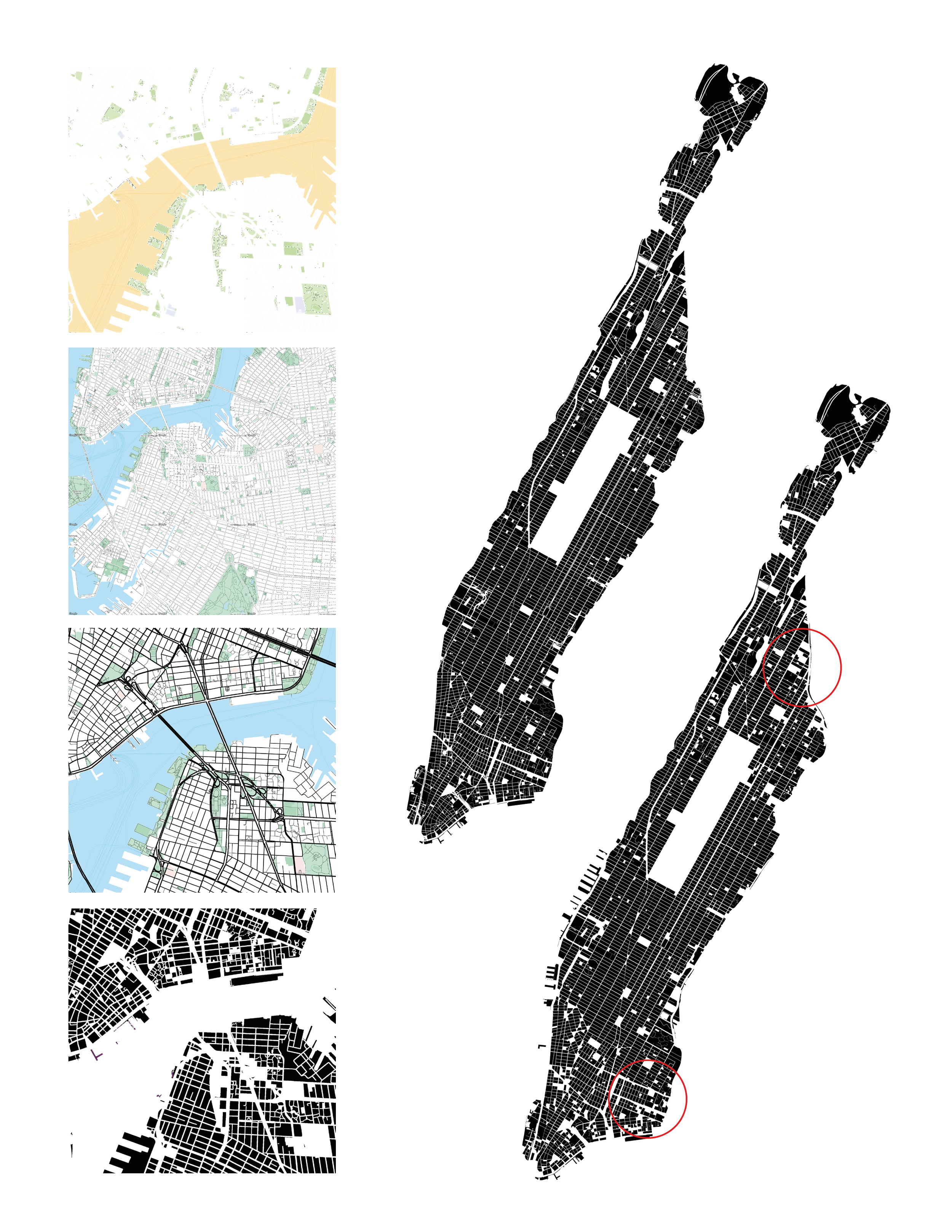
Map processing and site selection in Manhattan.
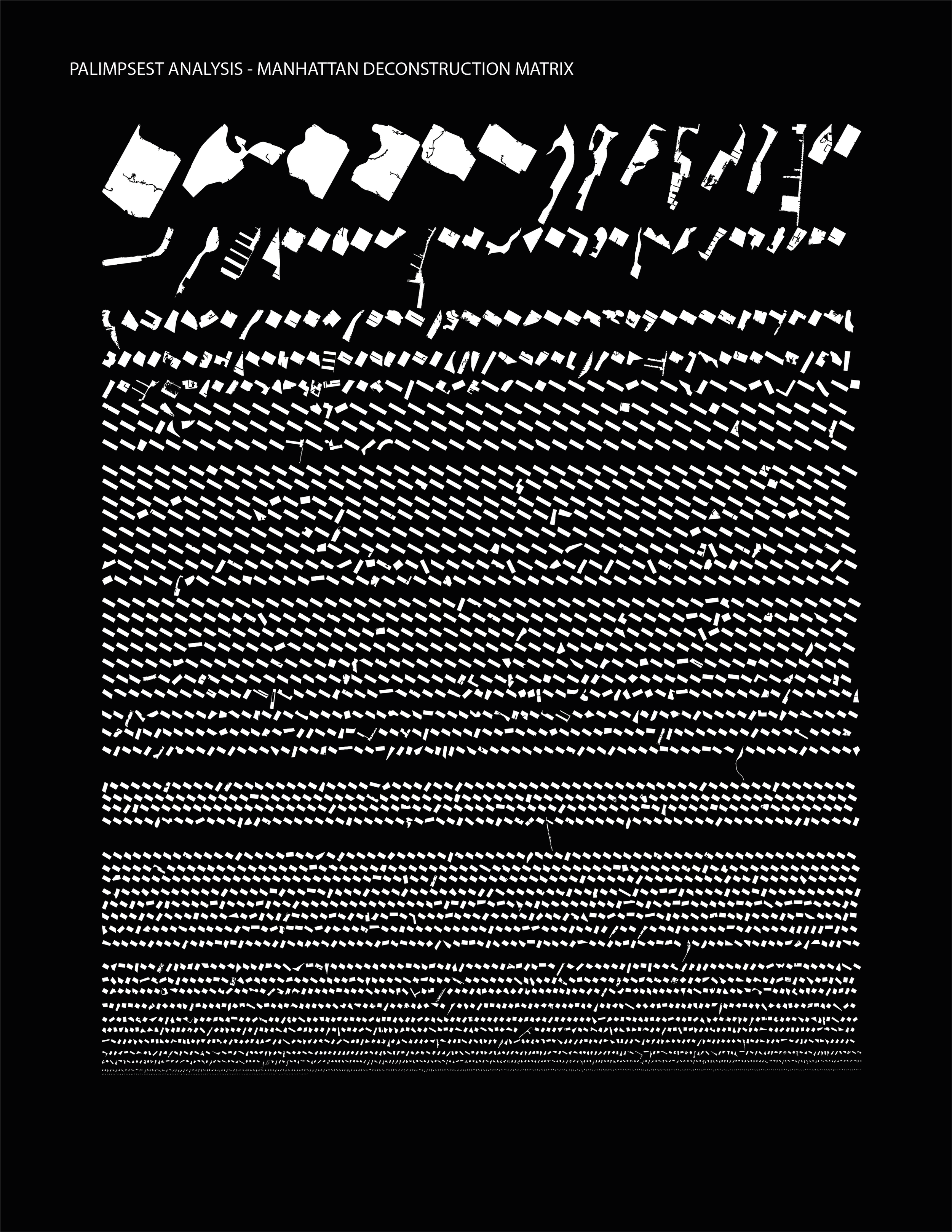
Manhattan deconstruction matrix.
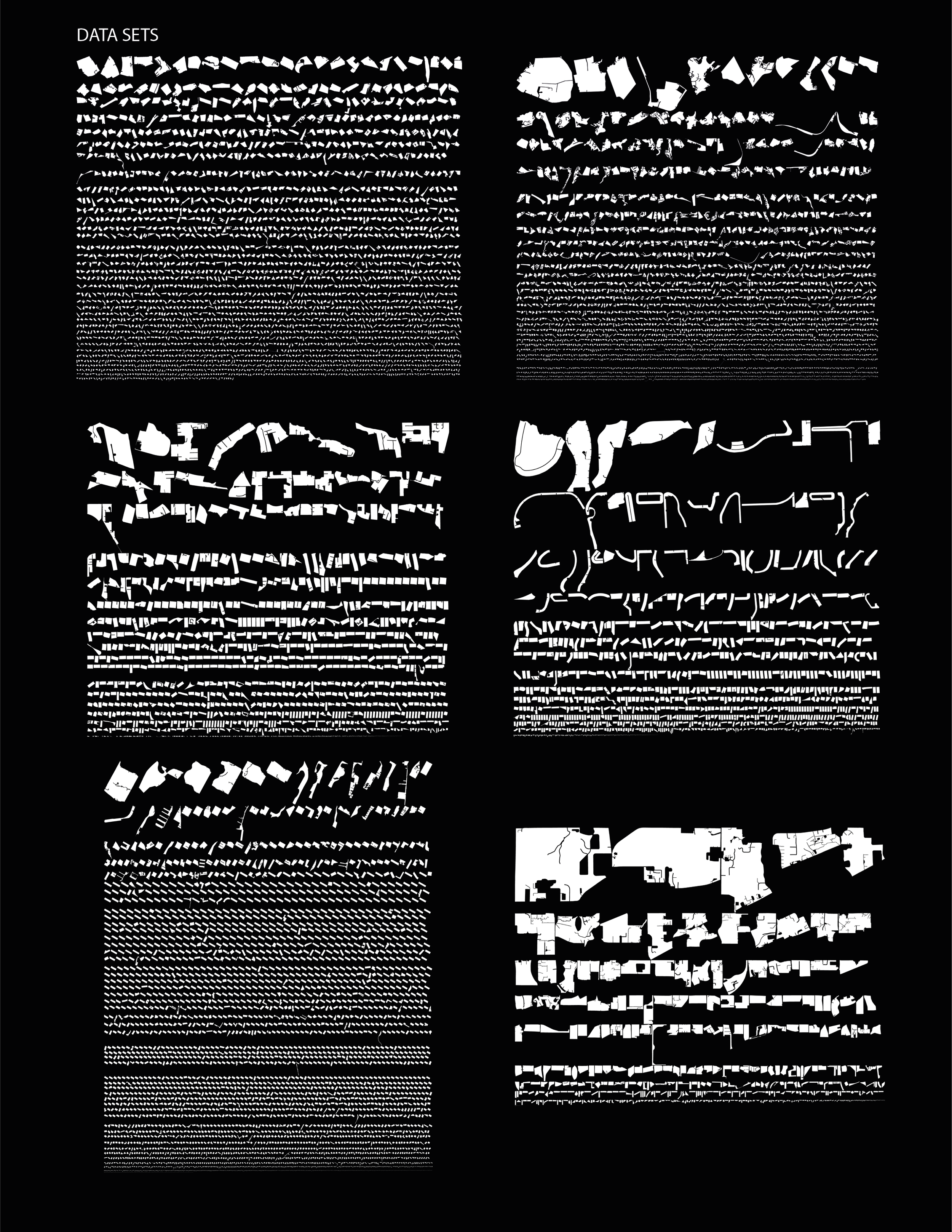
Visual datasets from map deconstruction.
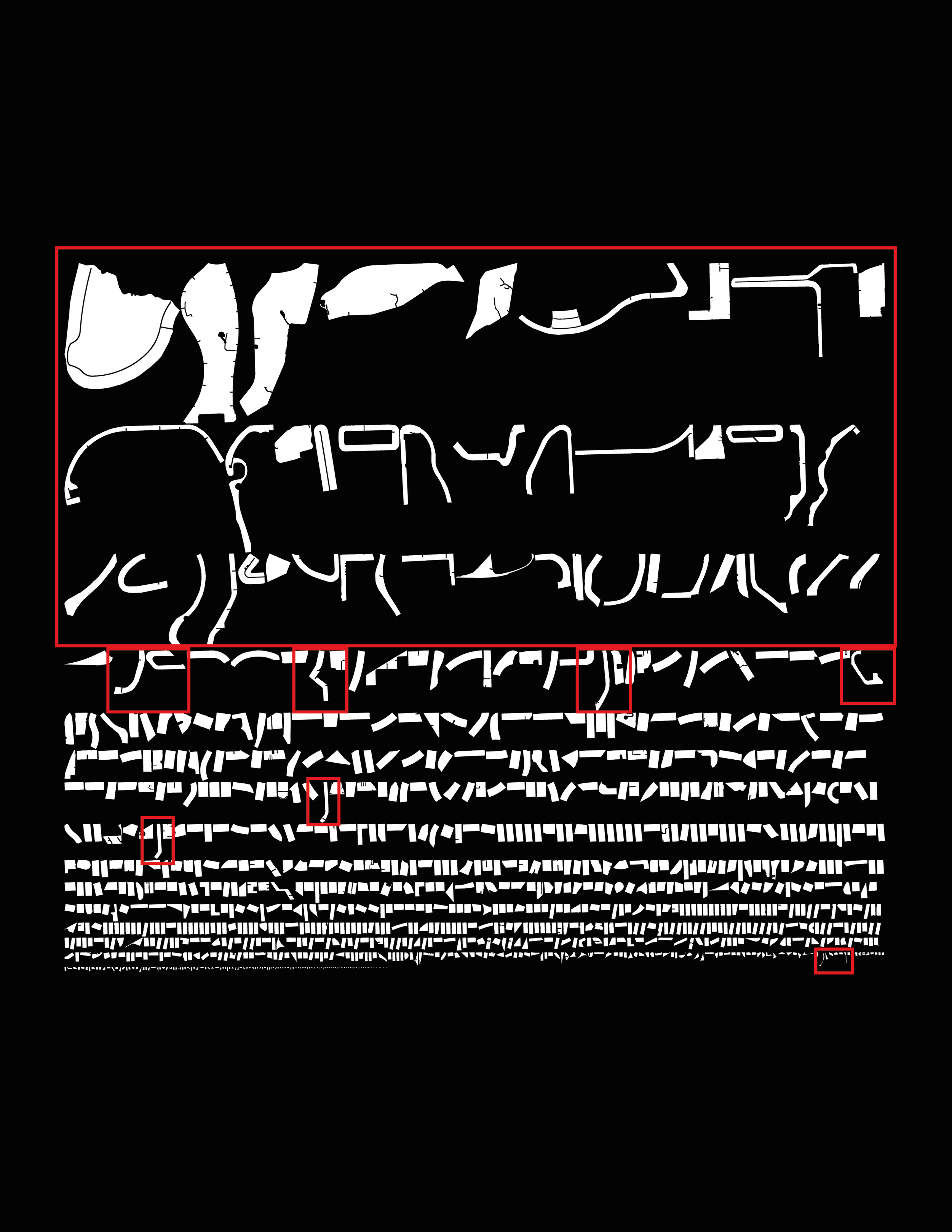
Selected patterns highlighted in a deconstruction matrix.
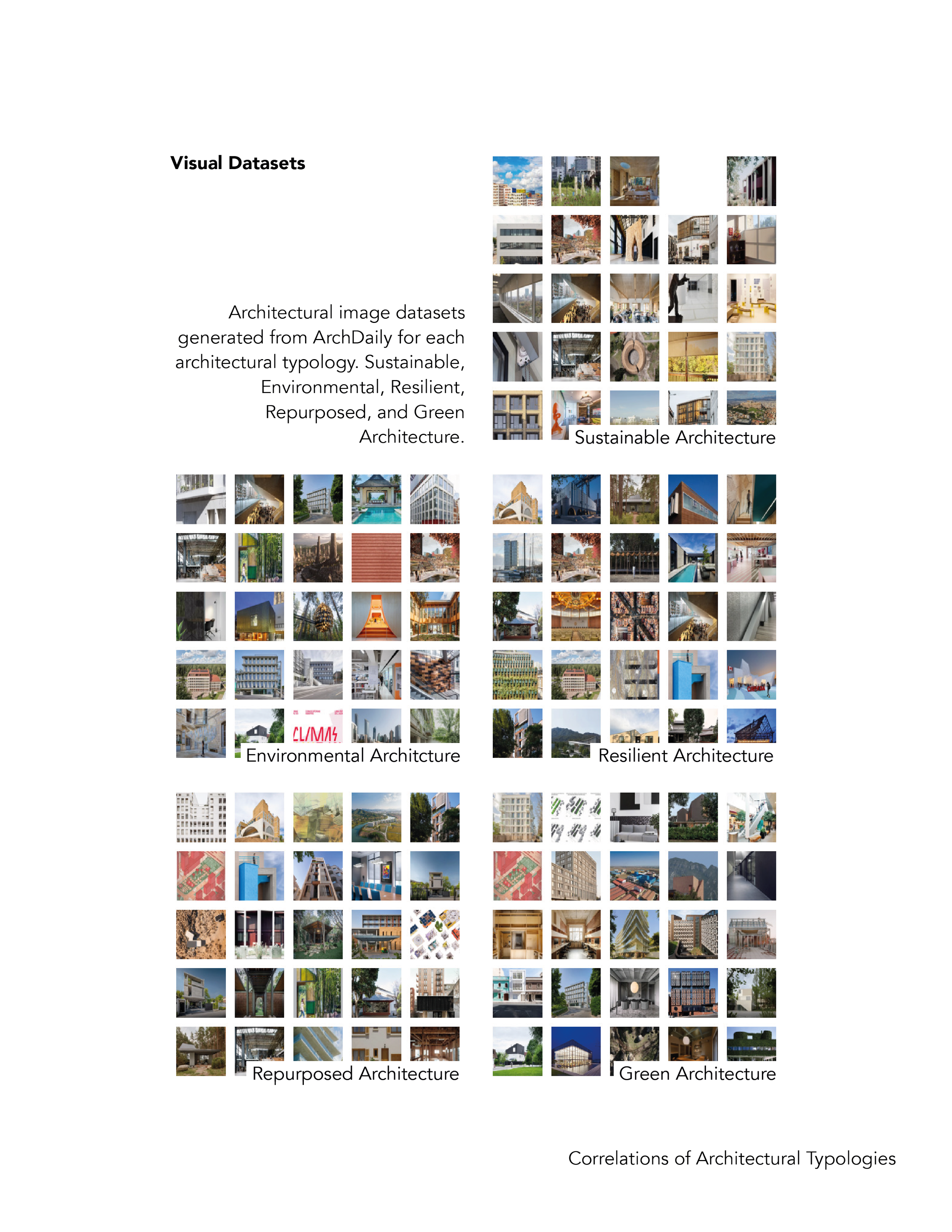
Visual datasets for architectural typologies.
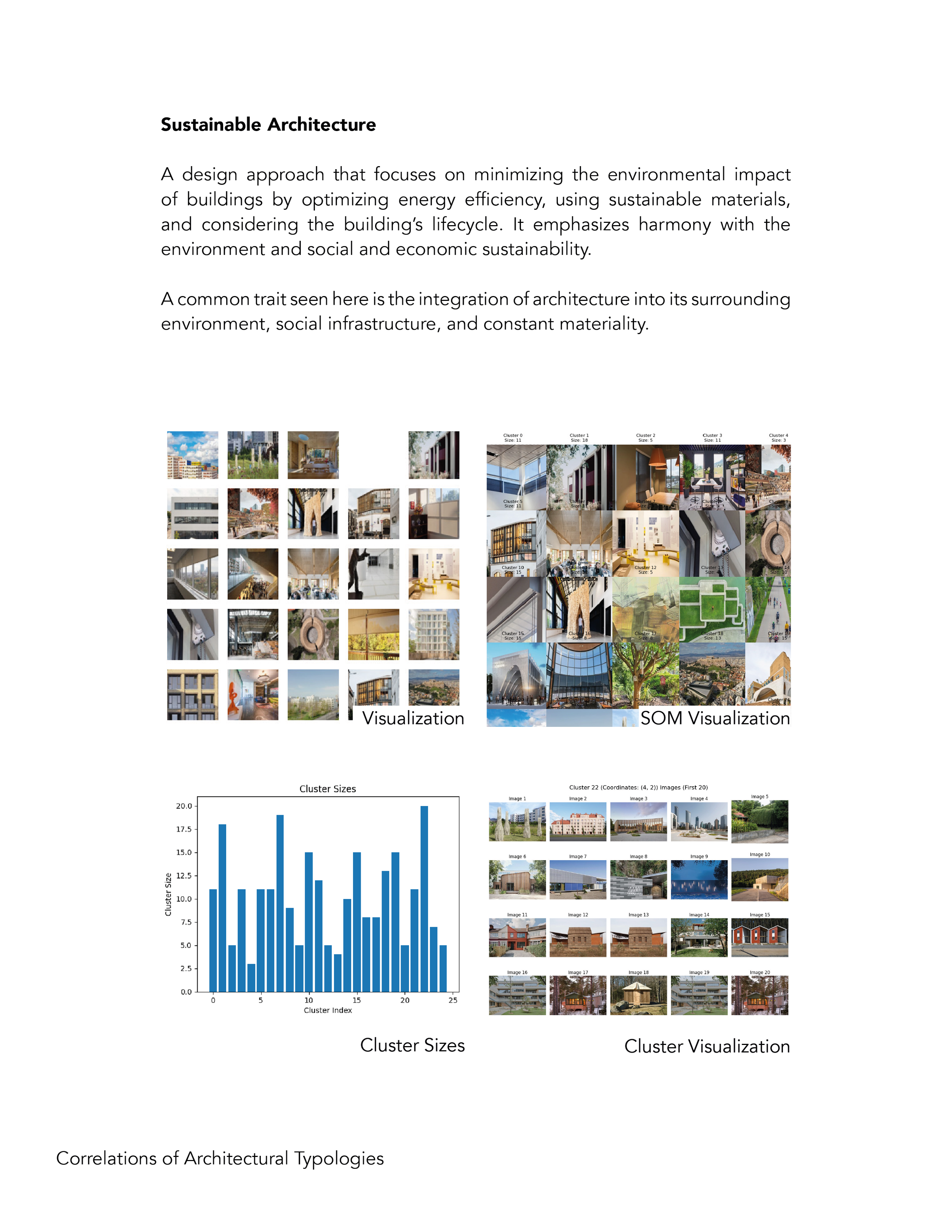
Sustainable architecture dataset with SOM and cluster analysis.
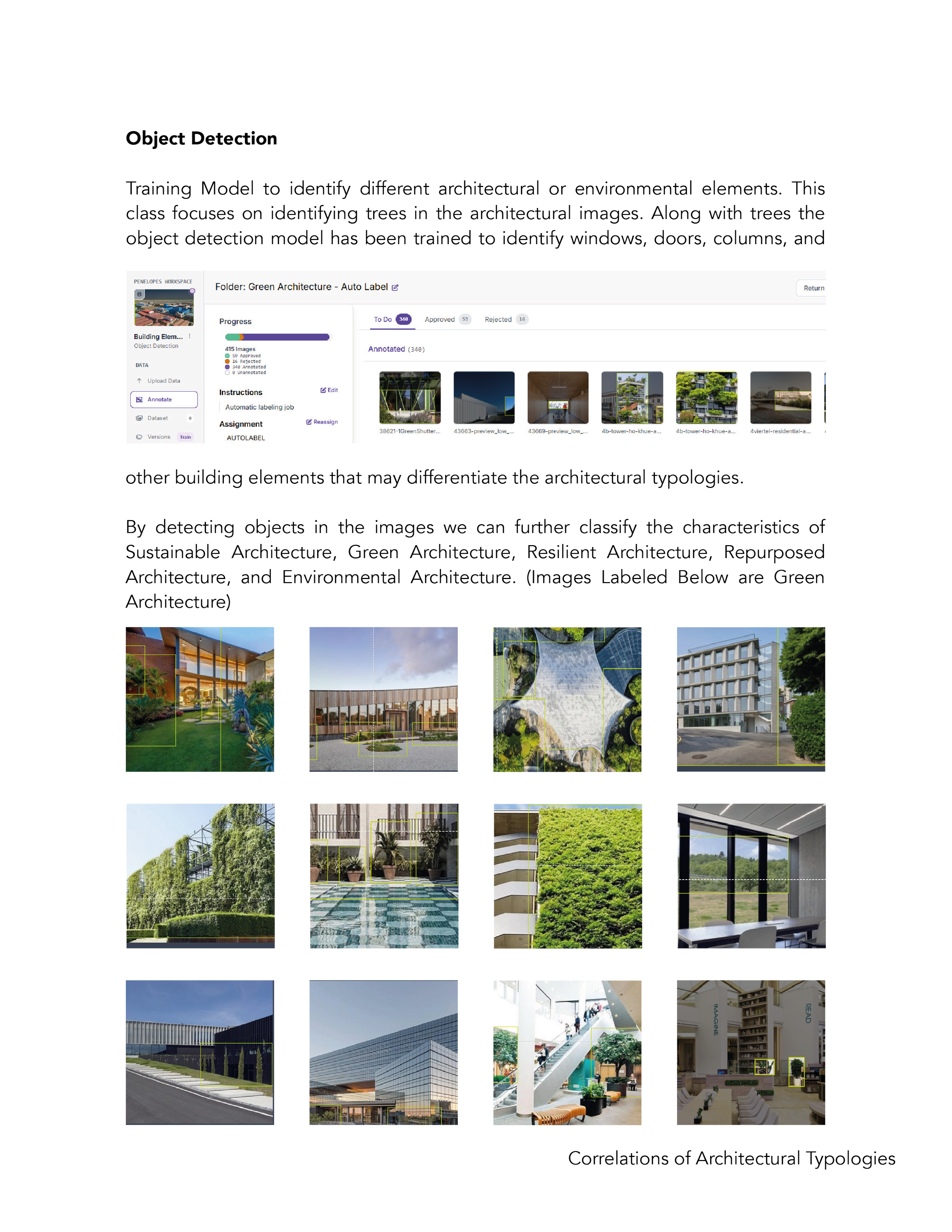
Object detection process for architectural element classification.
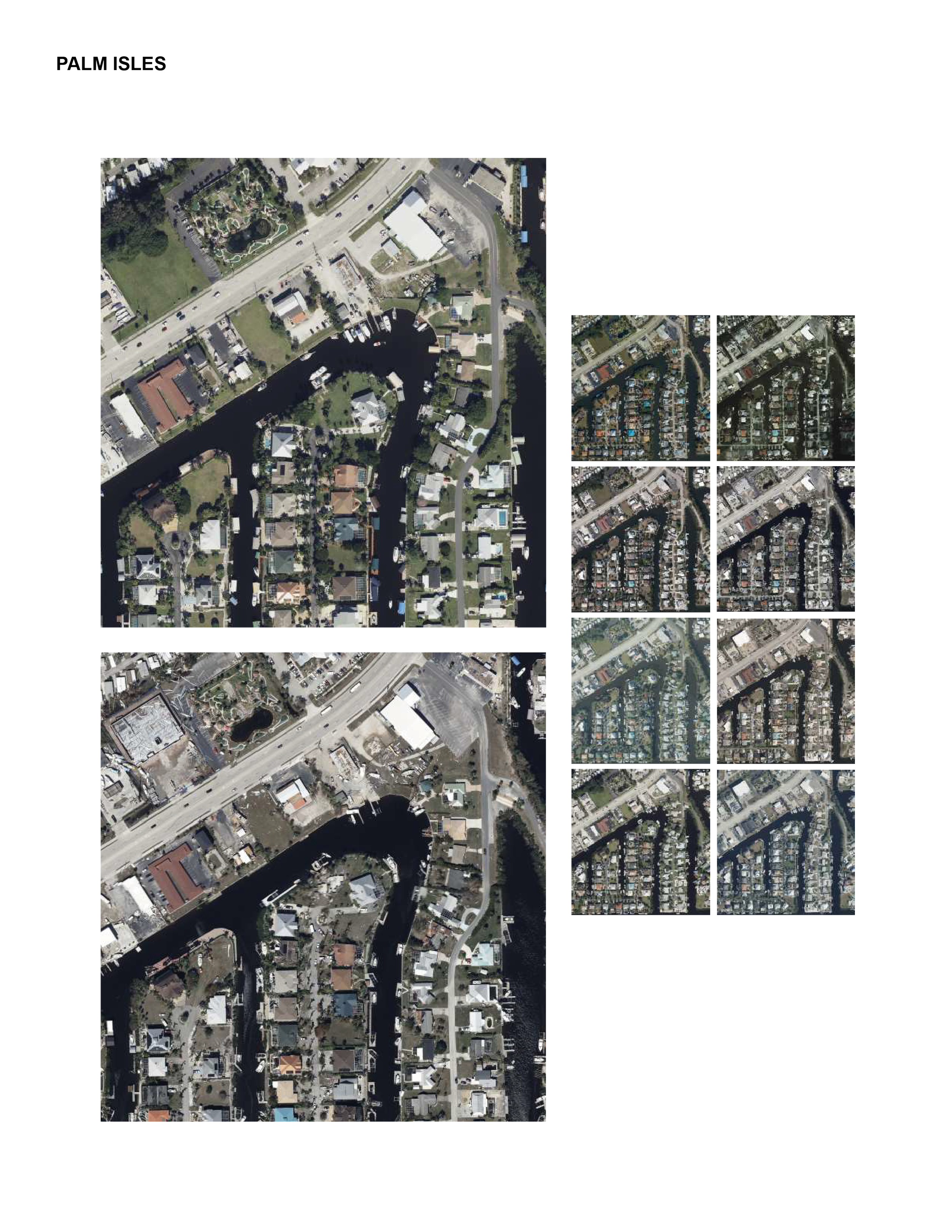
Palm Isles satellite imagery with processed variations.
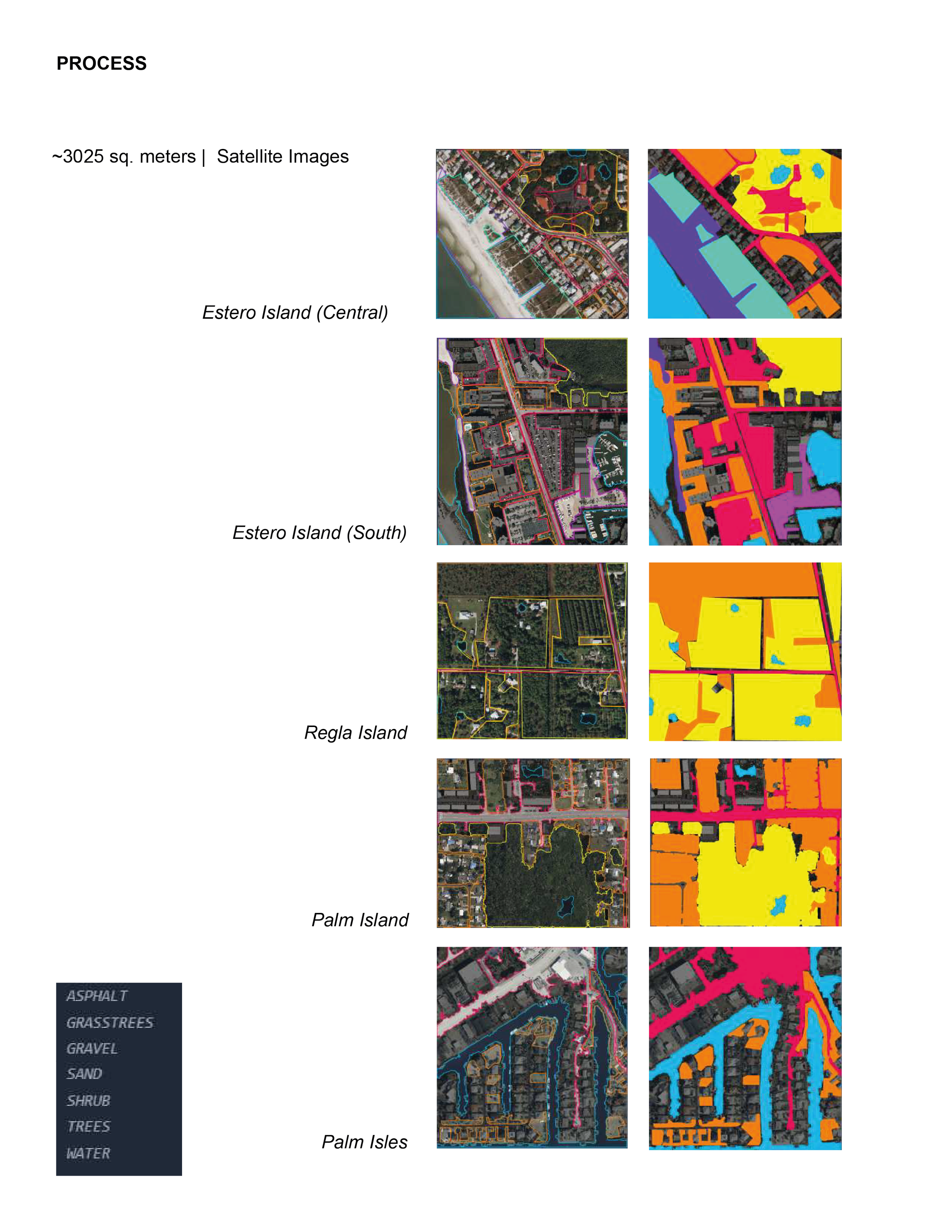
Land cover labeling process for island satellite images.
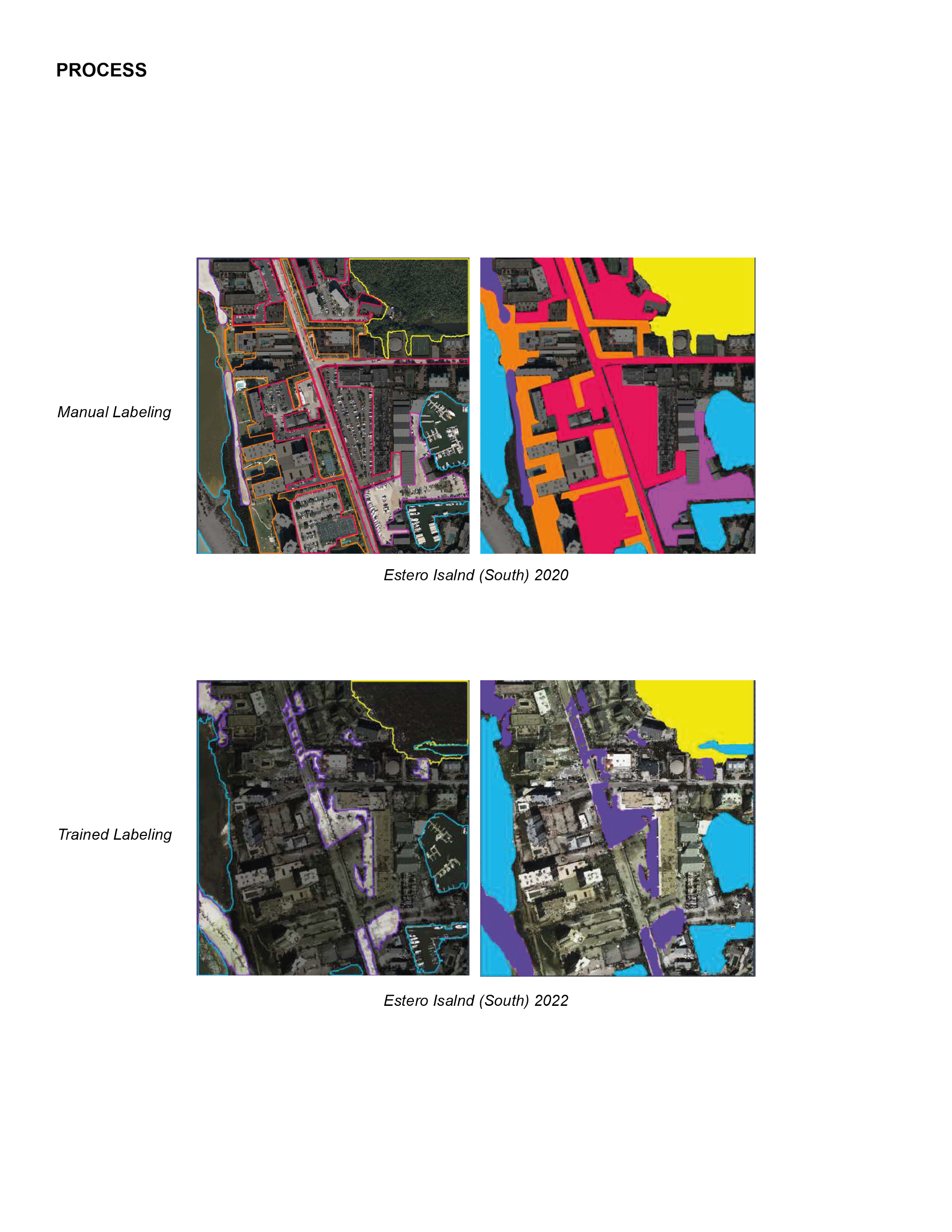
Manual and trained labeling comparison for Estero Island.
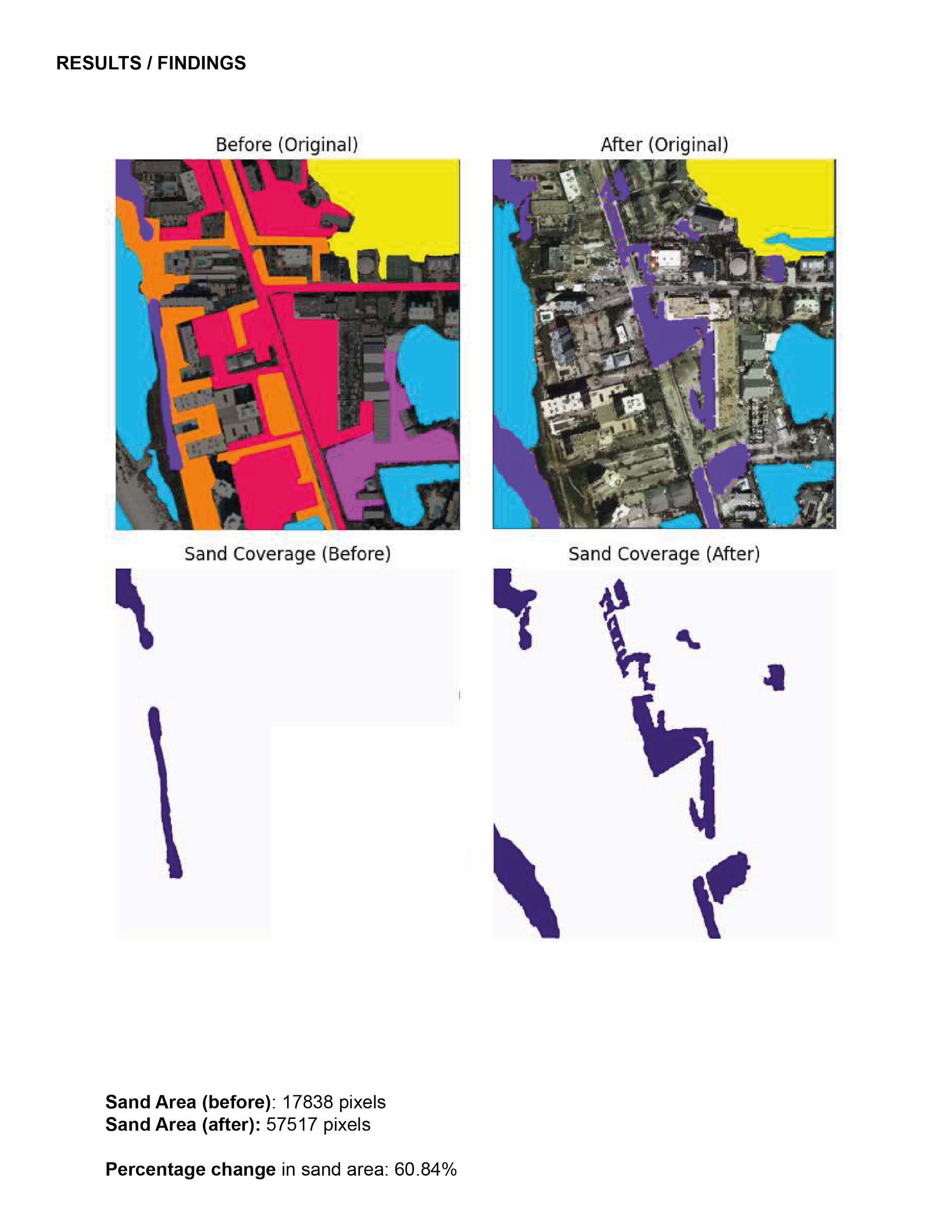
Sand coverage results before and after image segmentation.
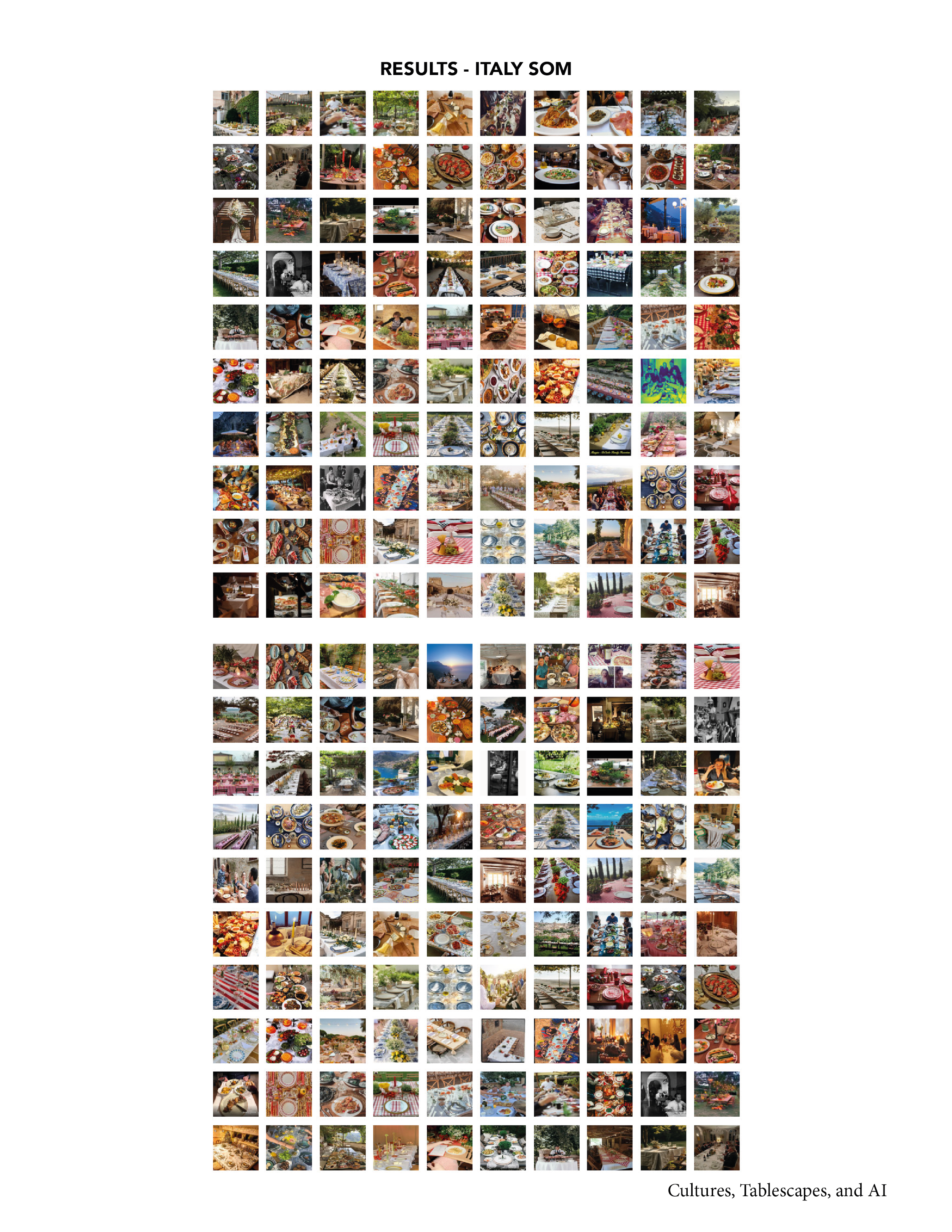
Italy tablescape images organized in a SOM grid.
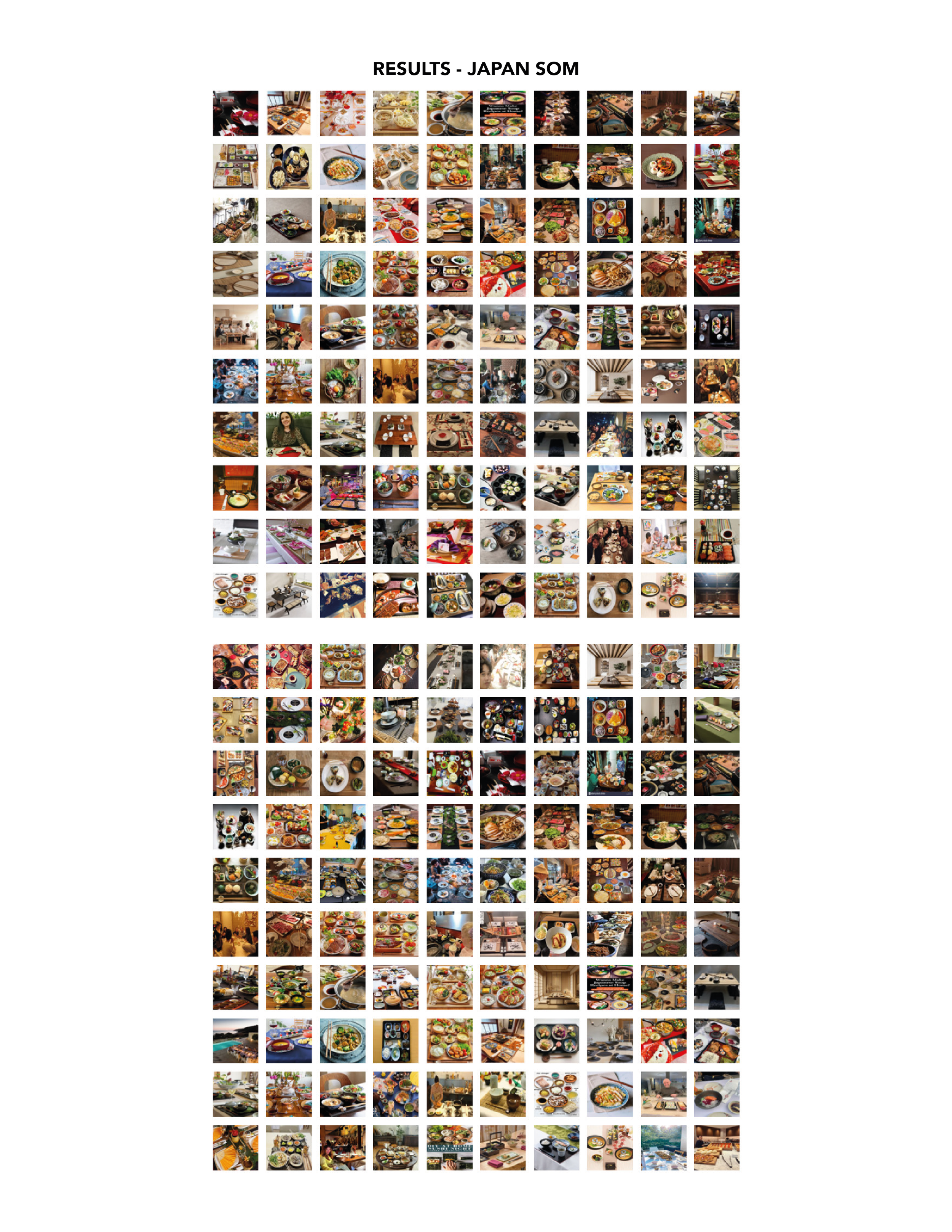
Japan tablescape images organized in a SOM grid.
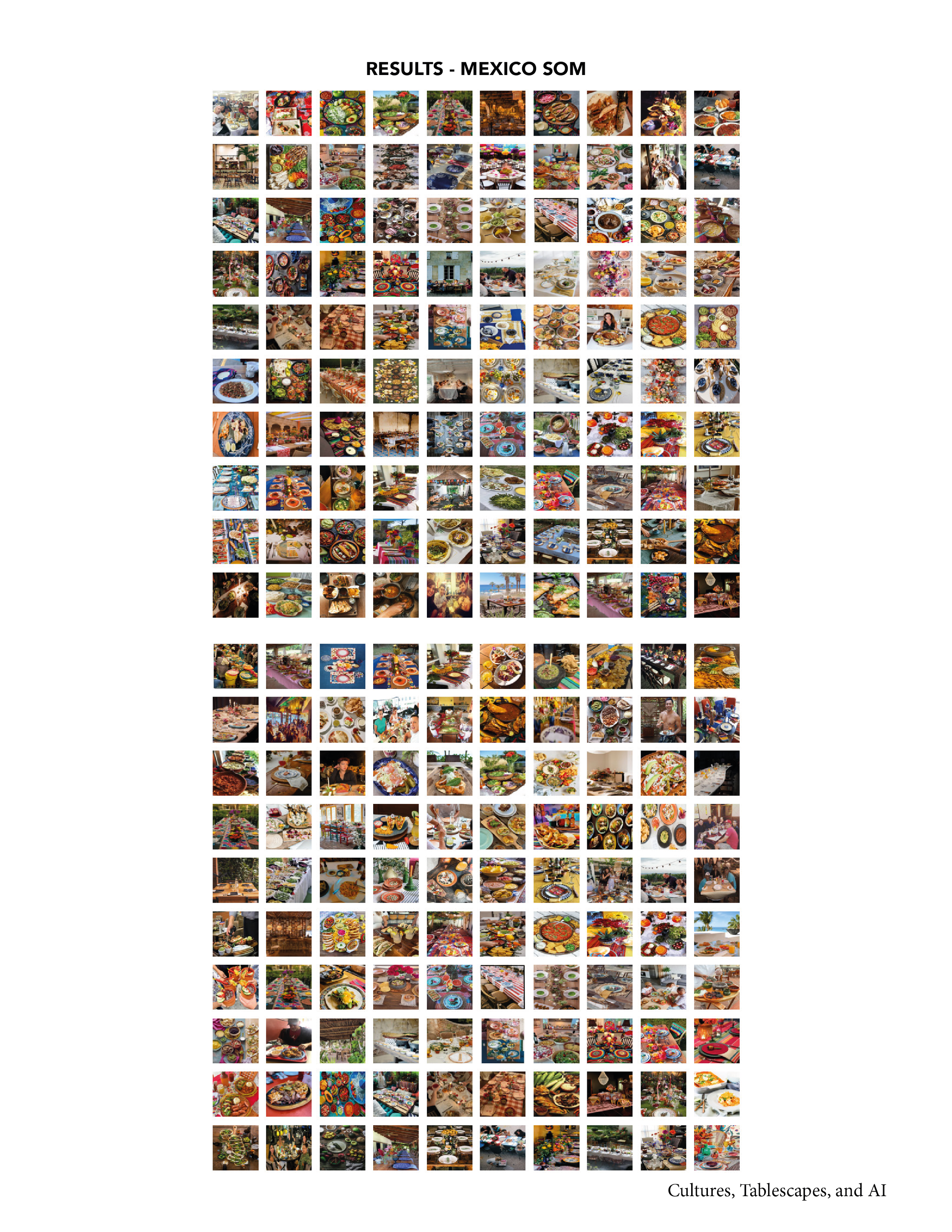
Mexico tablescape images organized in a SOM grid.
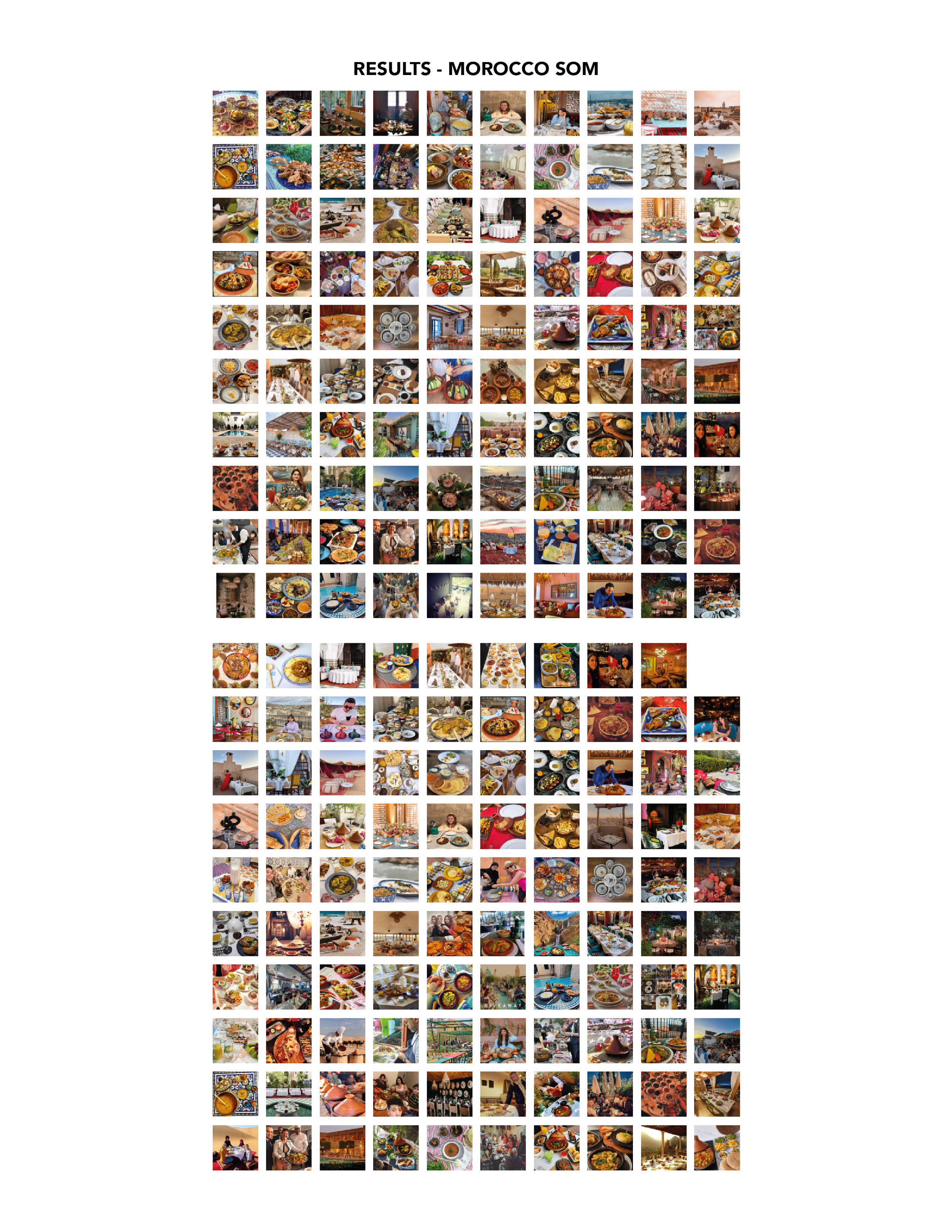
Morocco tablescape images organized in a SOM grid.

Italy tablescape clusters with training analysis charts.
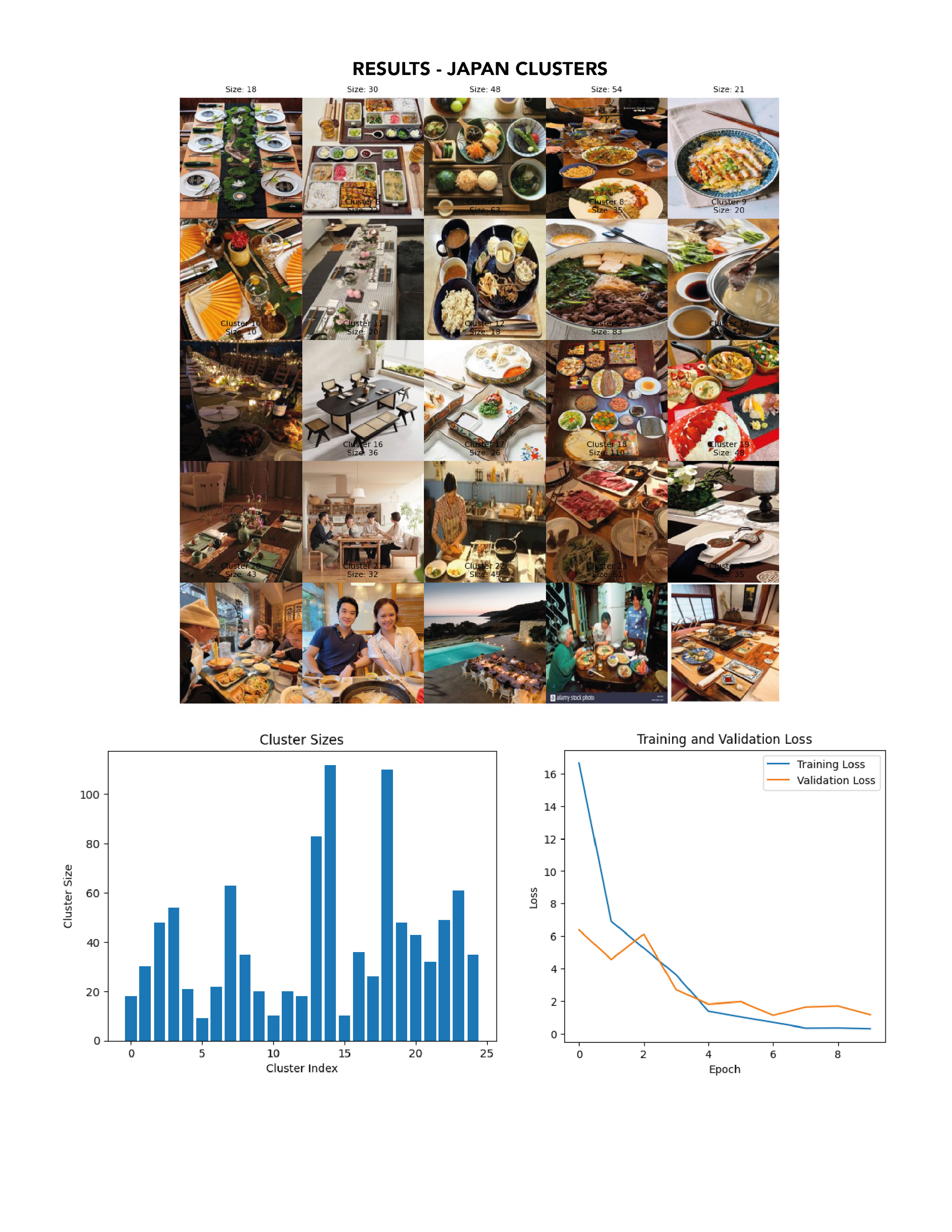
Japan tablescape clusters with training analysis charts.
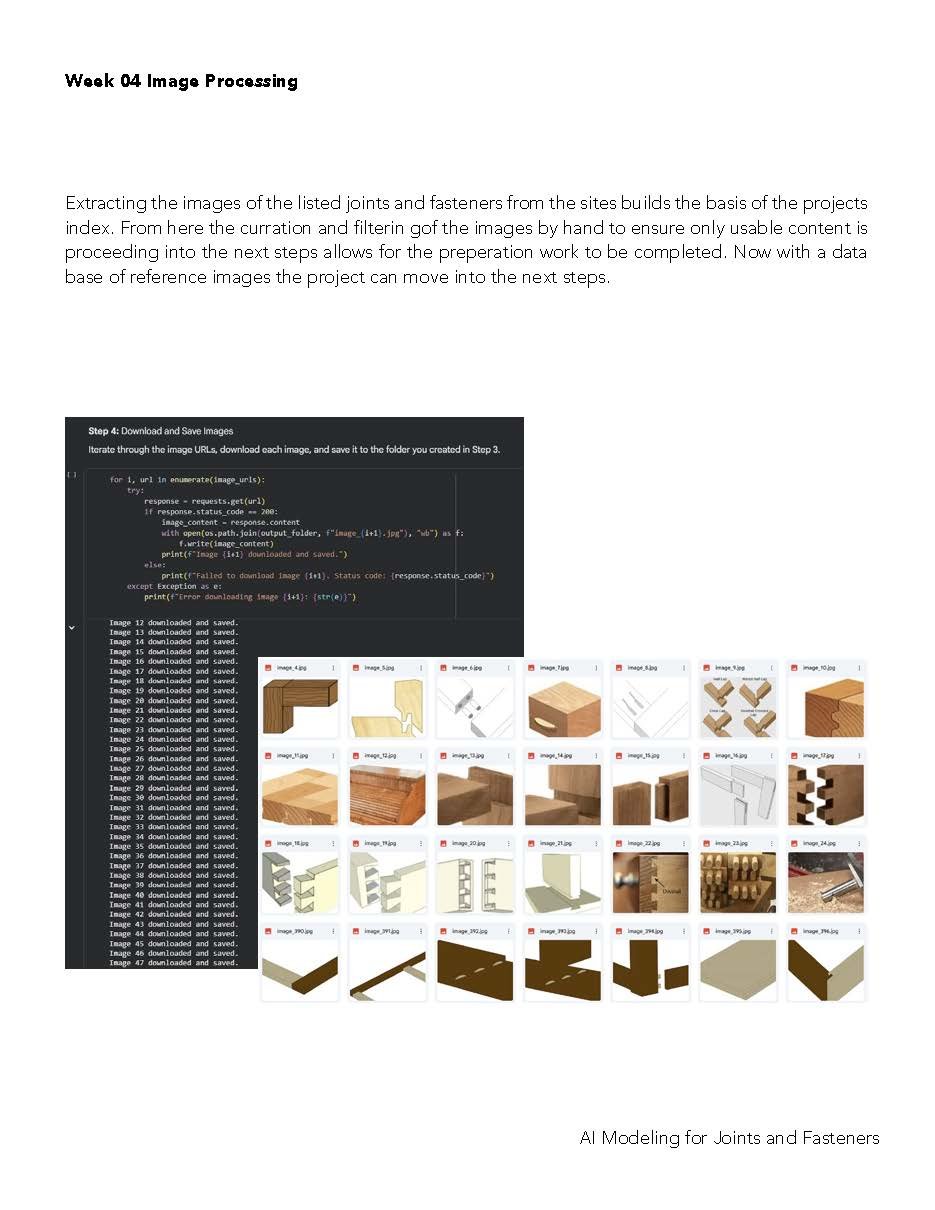
Image processing workflow for joints and fasteners dataset.
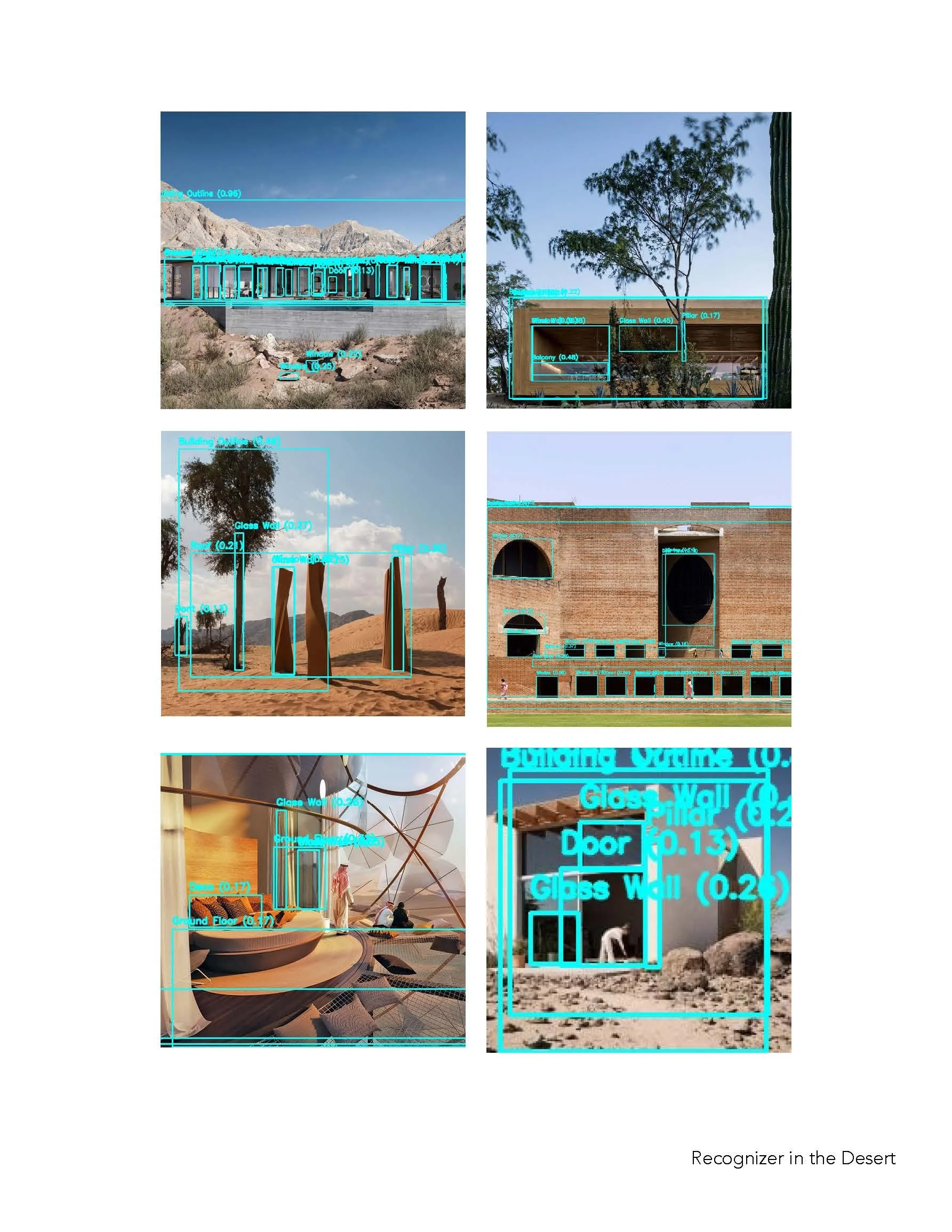
Object recognition results on desert architecture images.
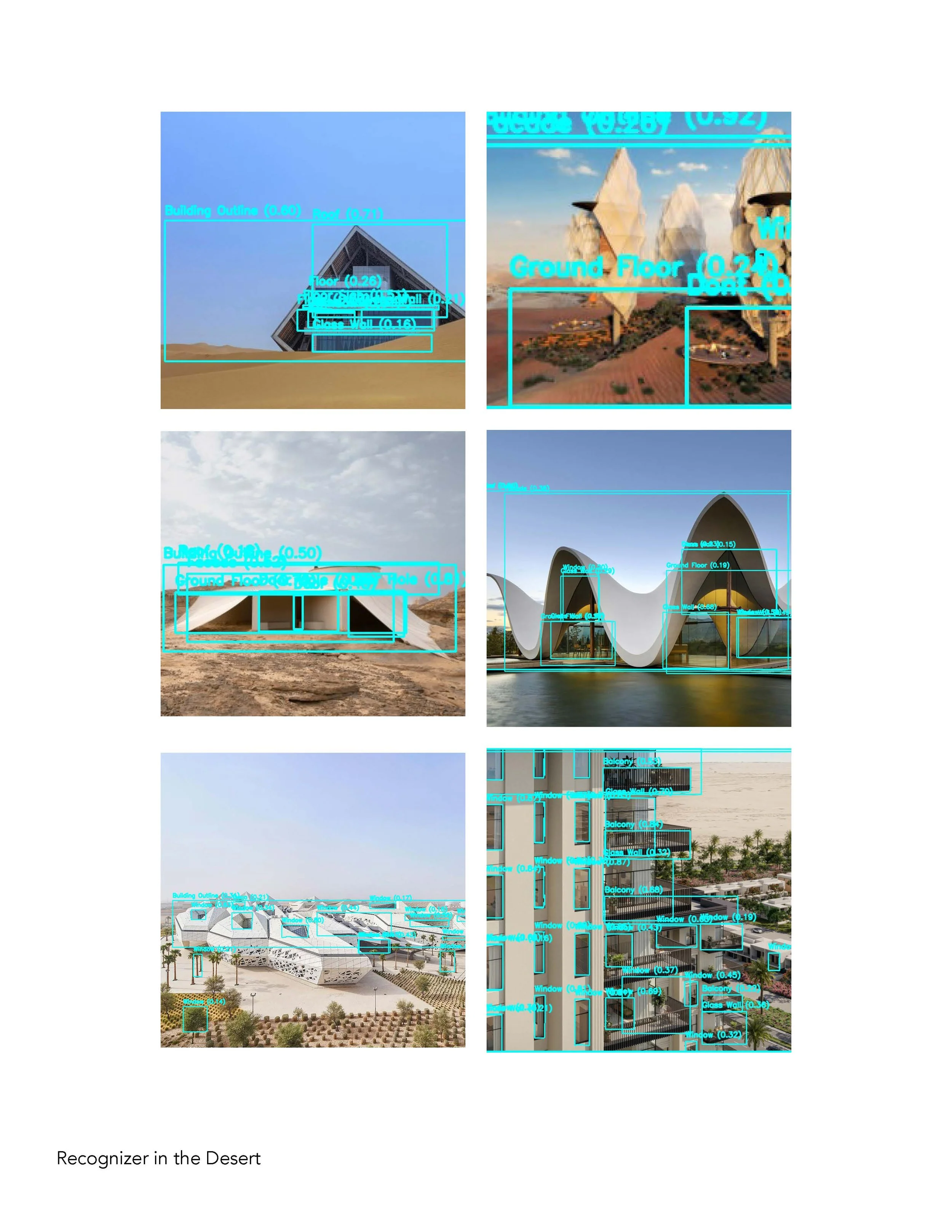
Object recognition examples for desert architecture elements.
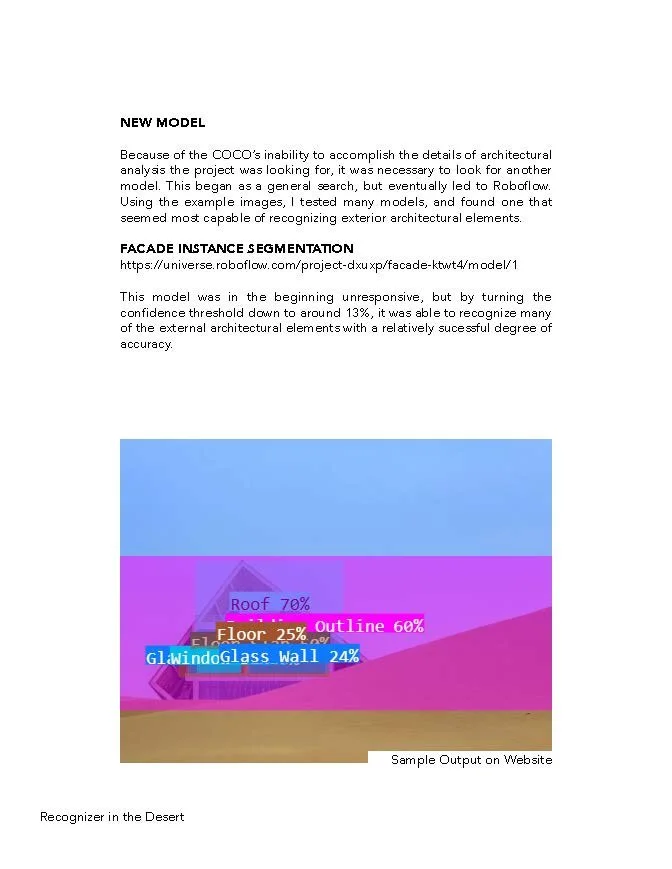
Facade instance segmentation model with sample output.
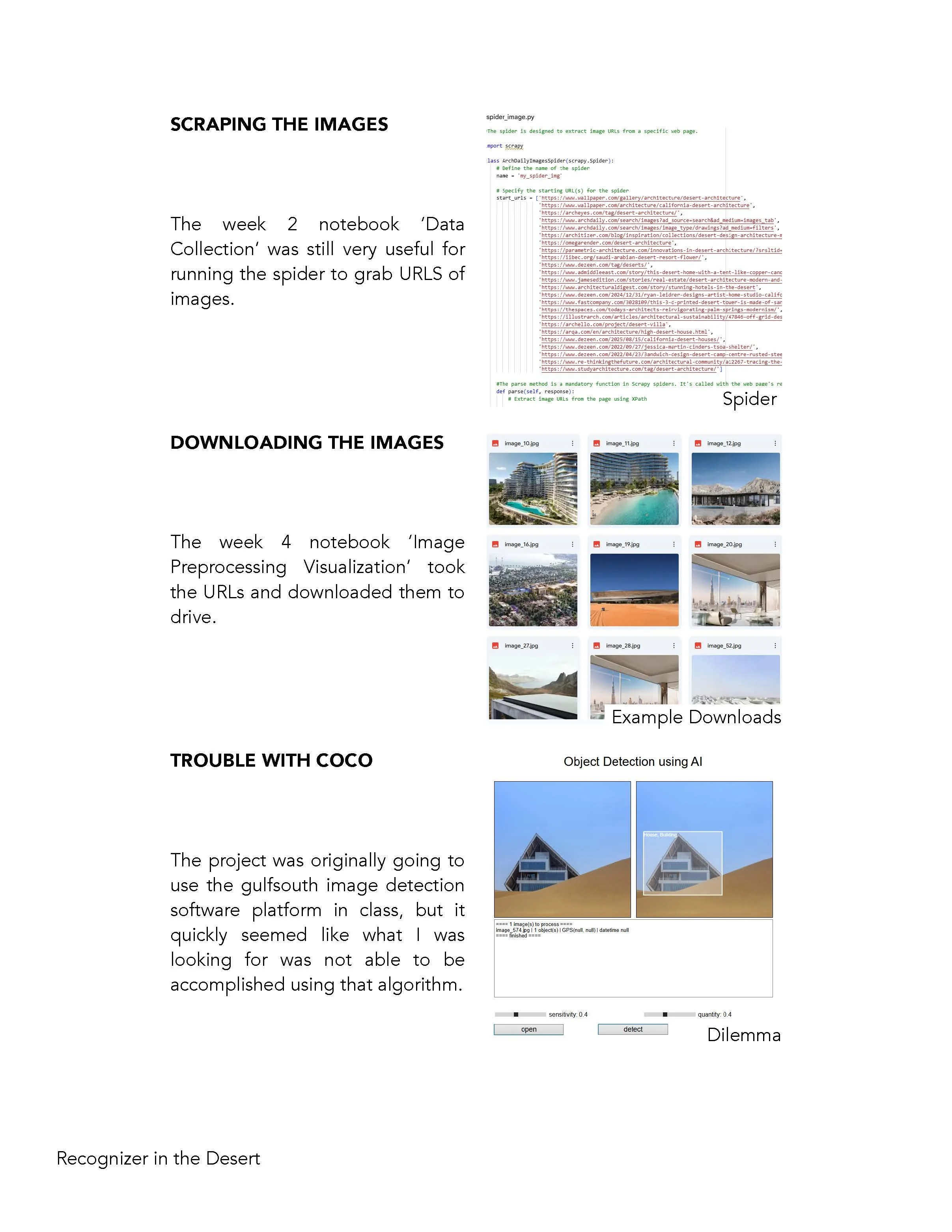
Image scraping and downloading process for AI detection.
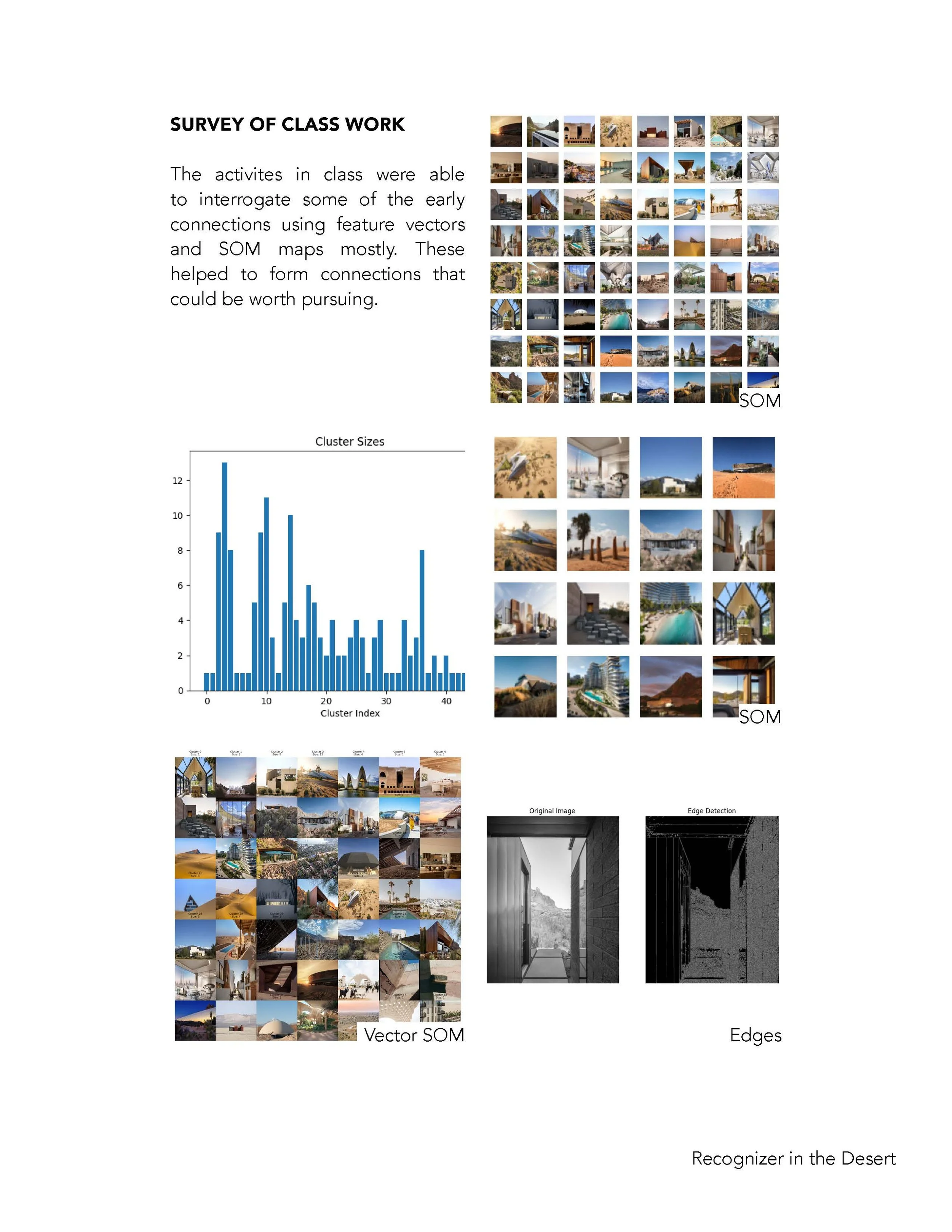
SOM and vector analysis of desert architecture images.
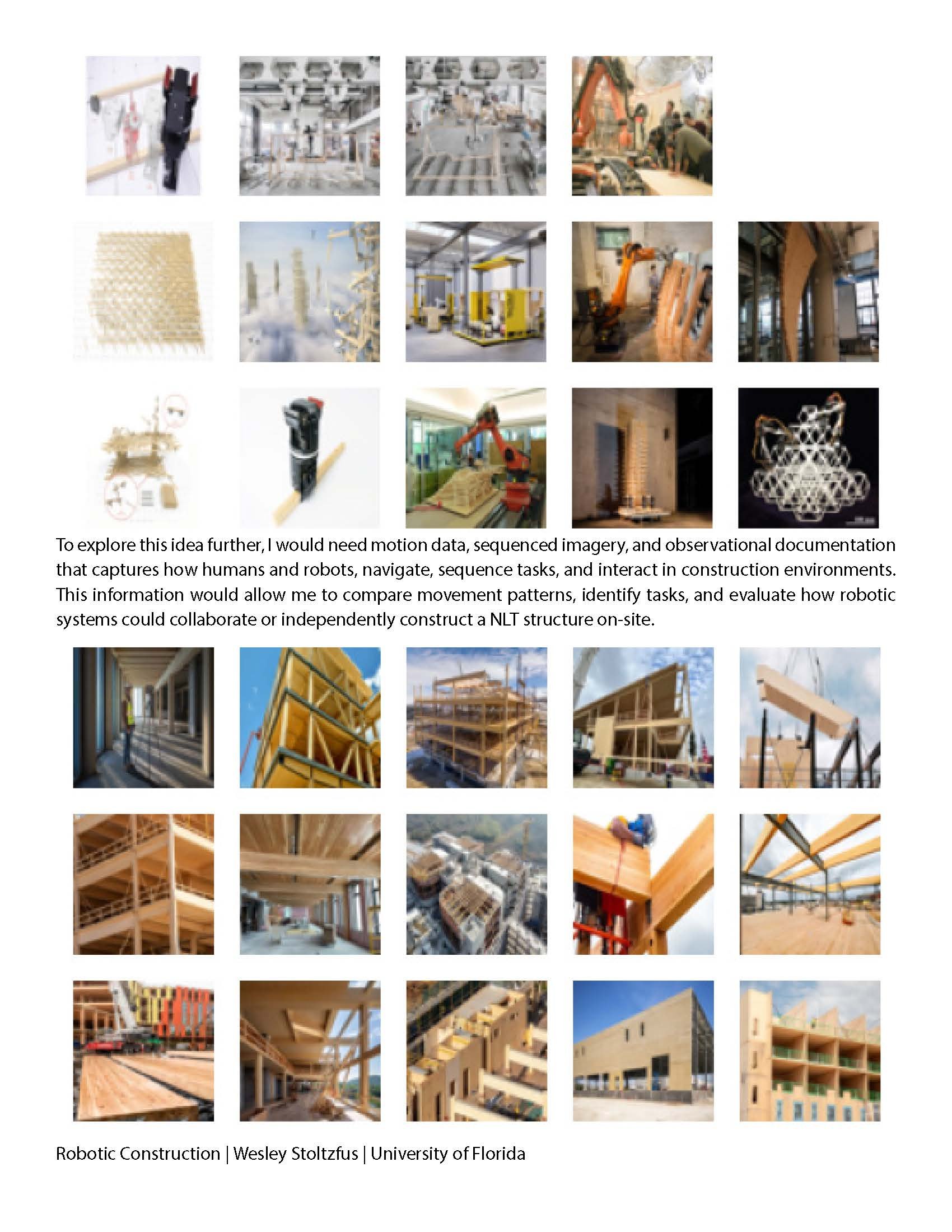
Robotic construction research using mass timber image datasets.
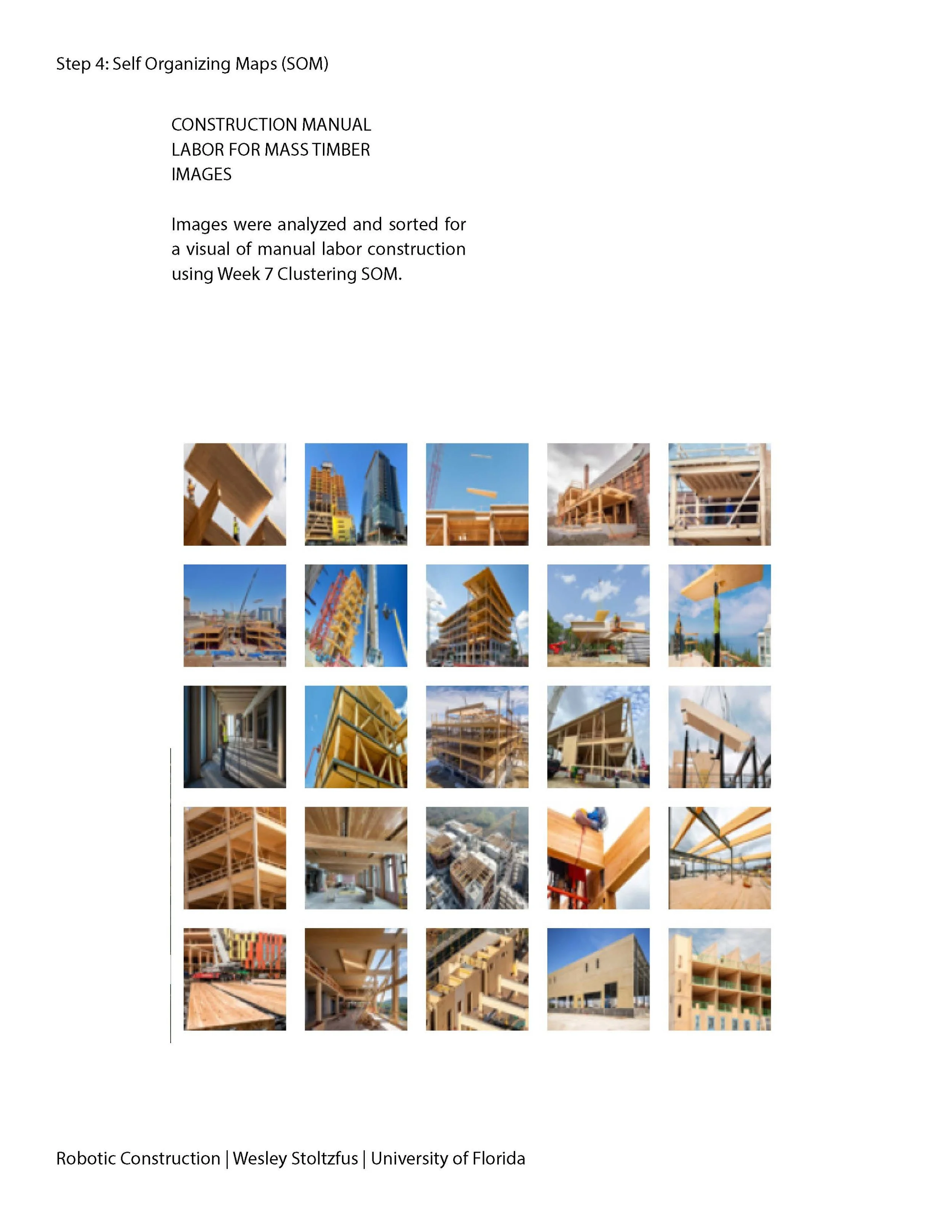
SOM analysis of manual labor in mass timber construction.

SOM analysis of robotic mass timber construction images.
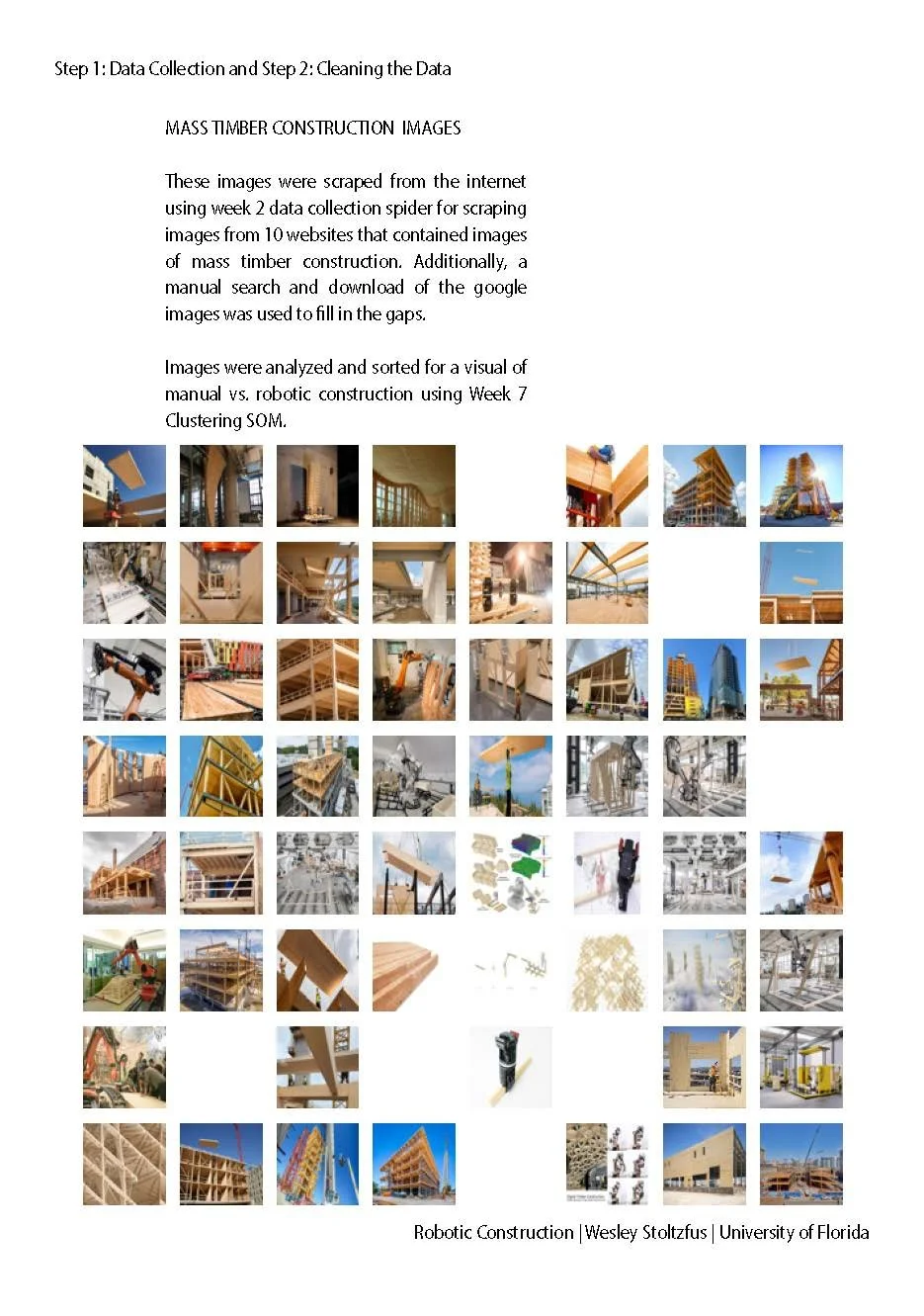
Data collection and cleaning for mass timber construction images.
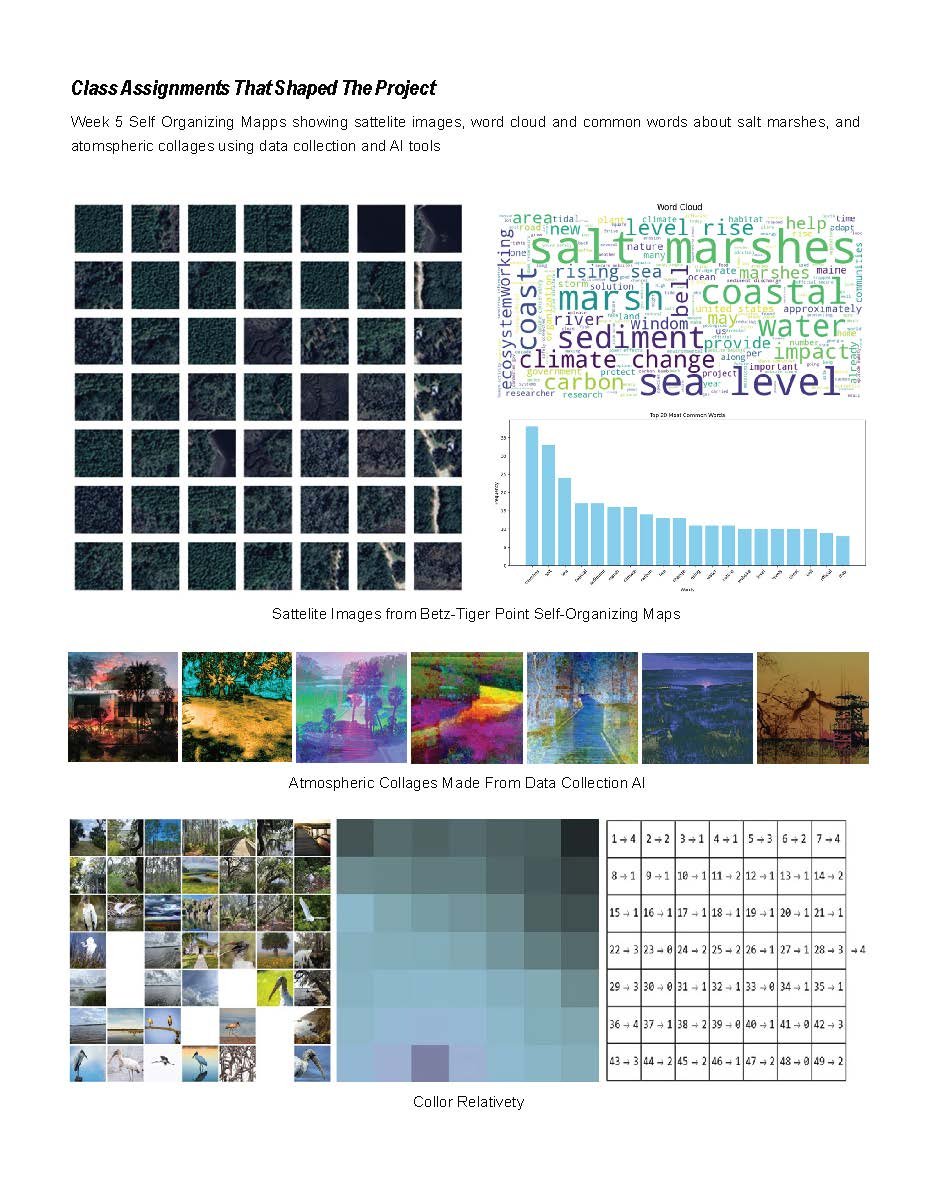
AI image analysis for salt marsh datasets and word clouds.
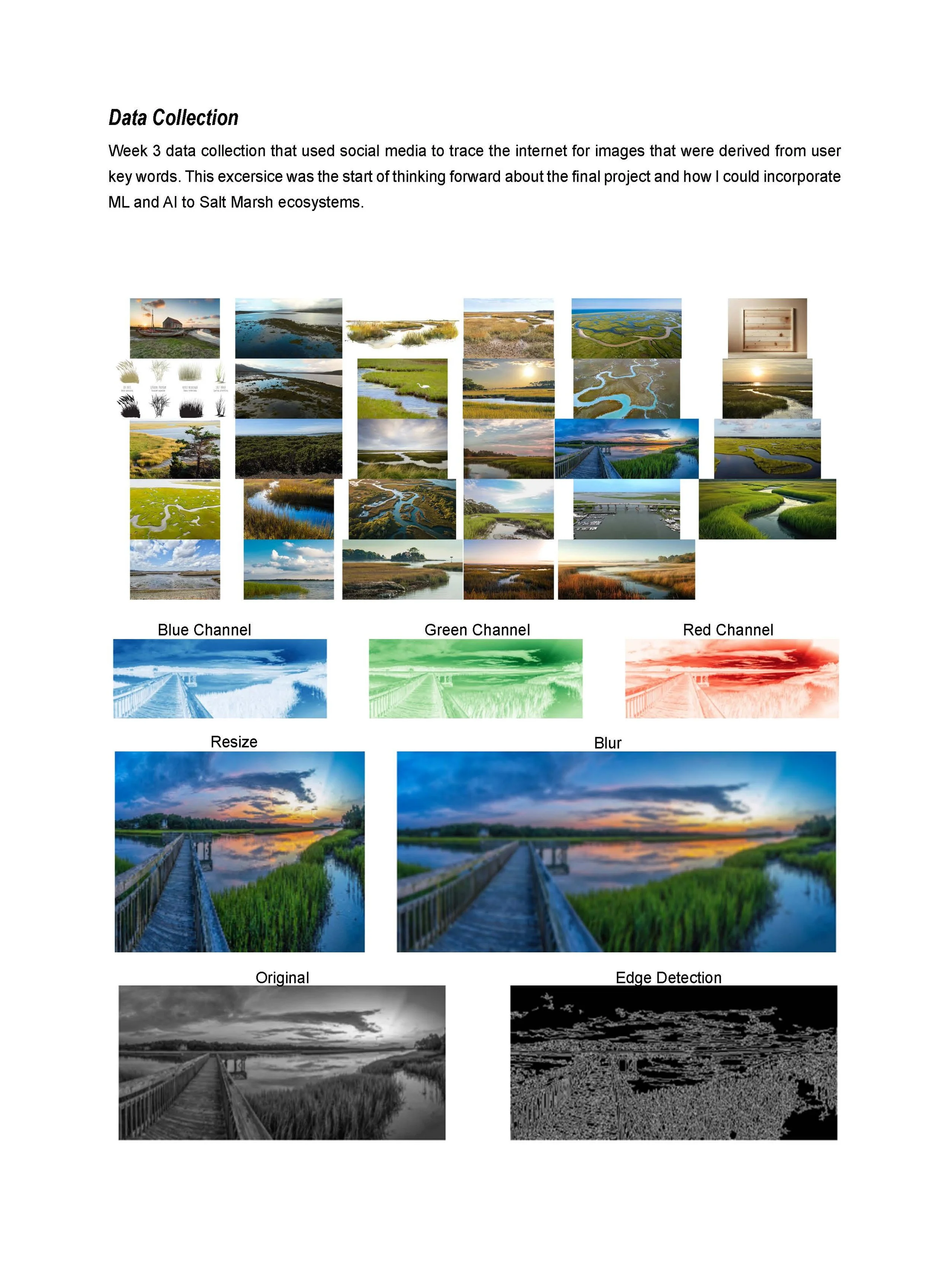
Salt marsh image processing with color channels and edge detection.
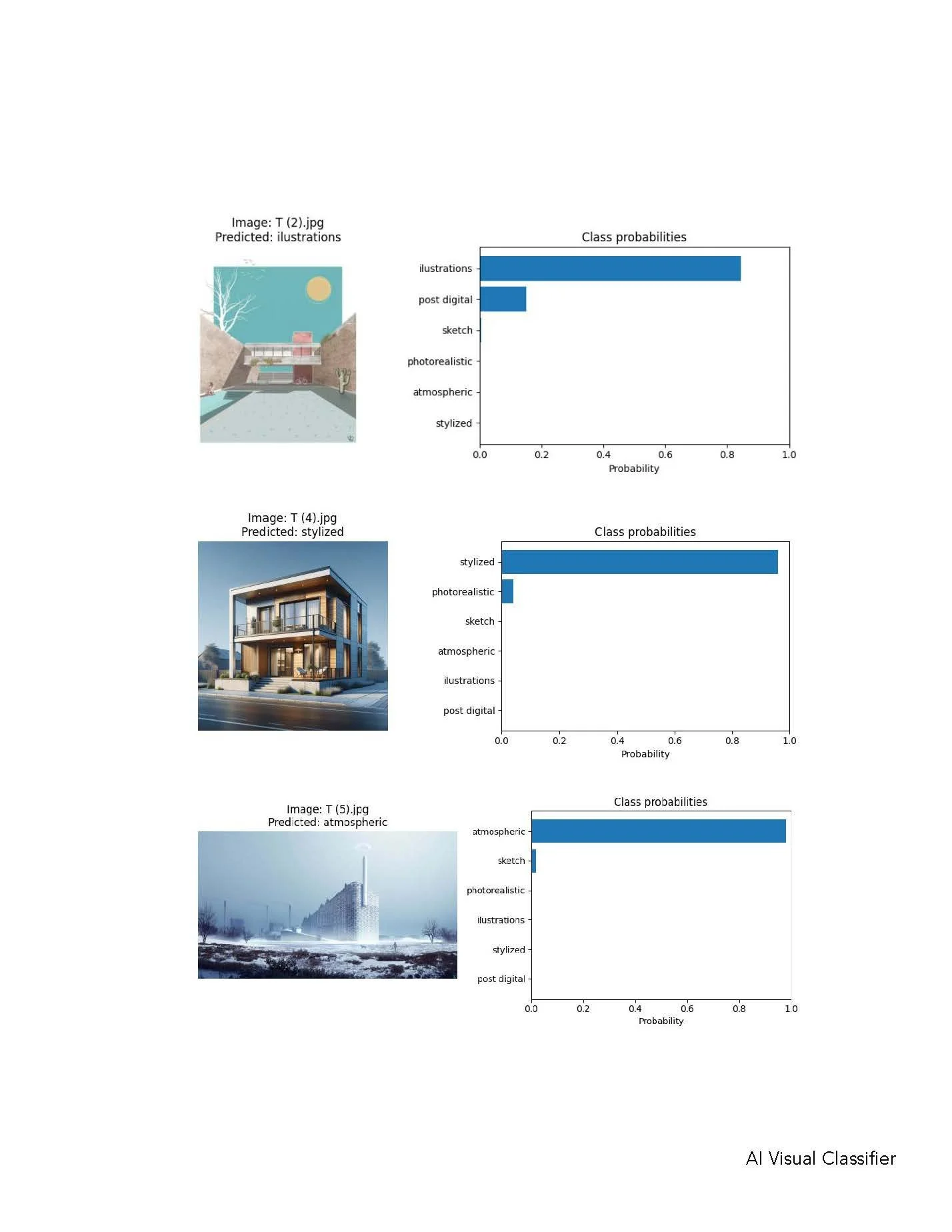
AI visual classifier results with class probability charts.
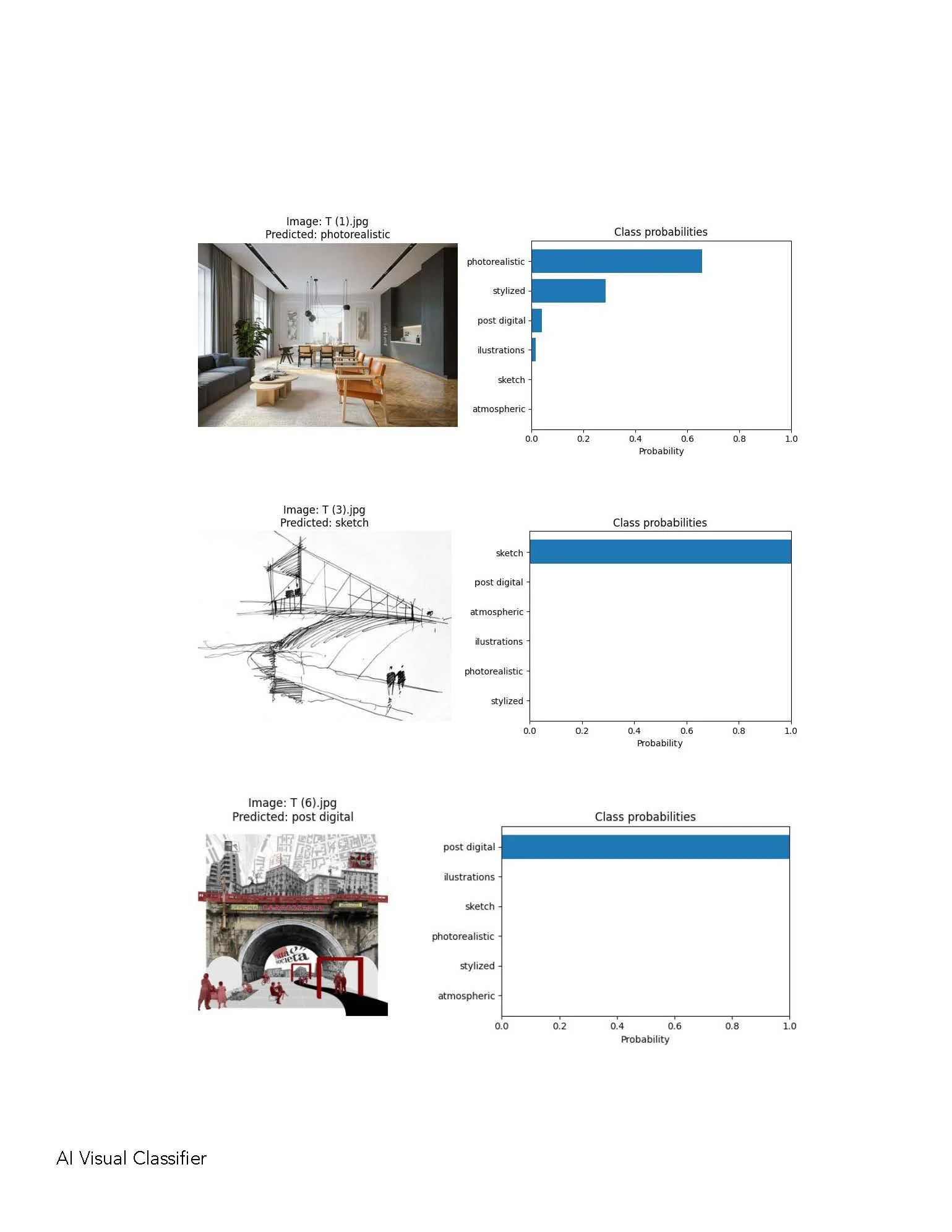
AI visual classifier examples for architectural image styles.
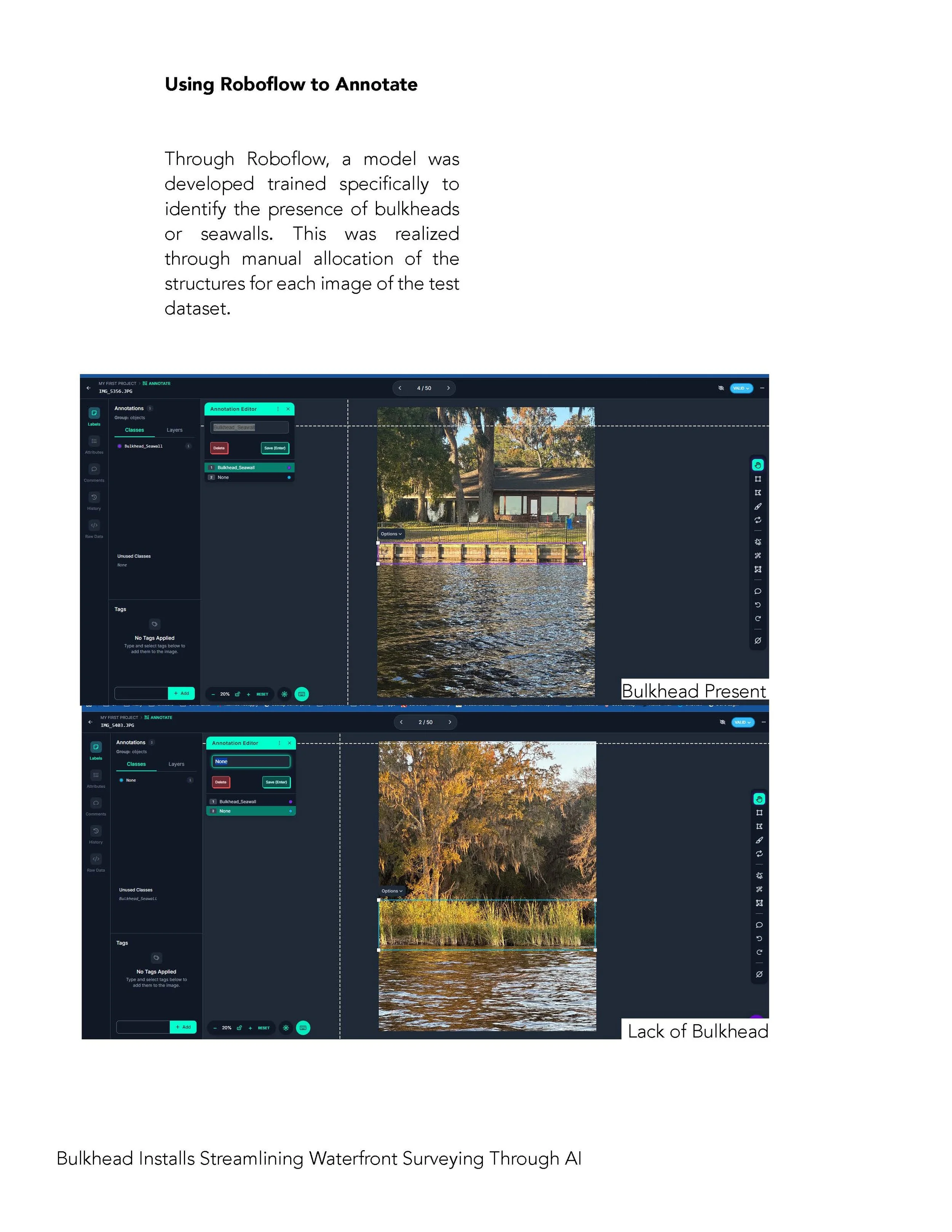
Roboflow annotation process for waterfront bulkhead detection.
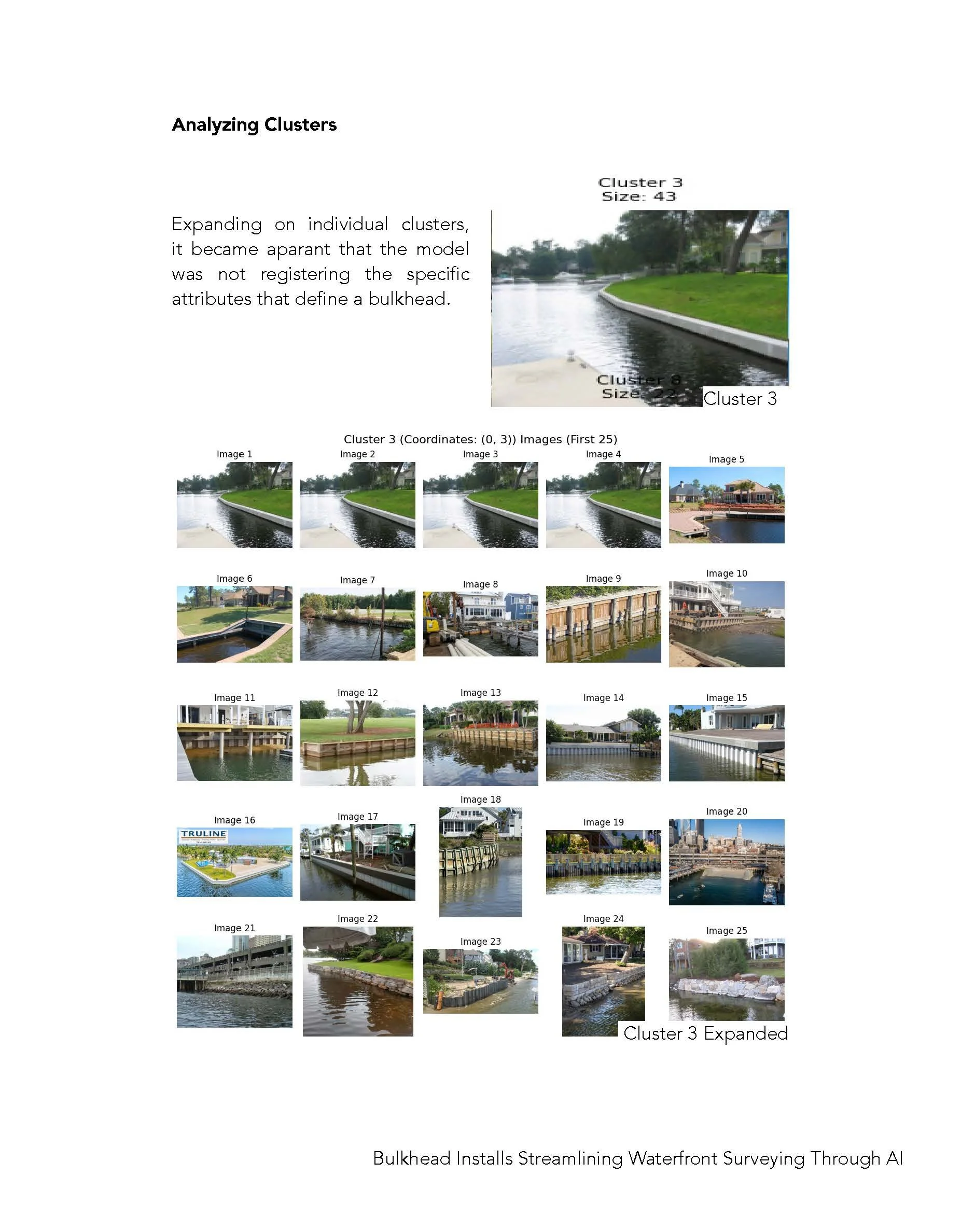
Cluster analysis for waterfront bulkhead image datasets.
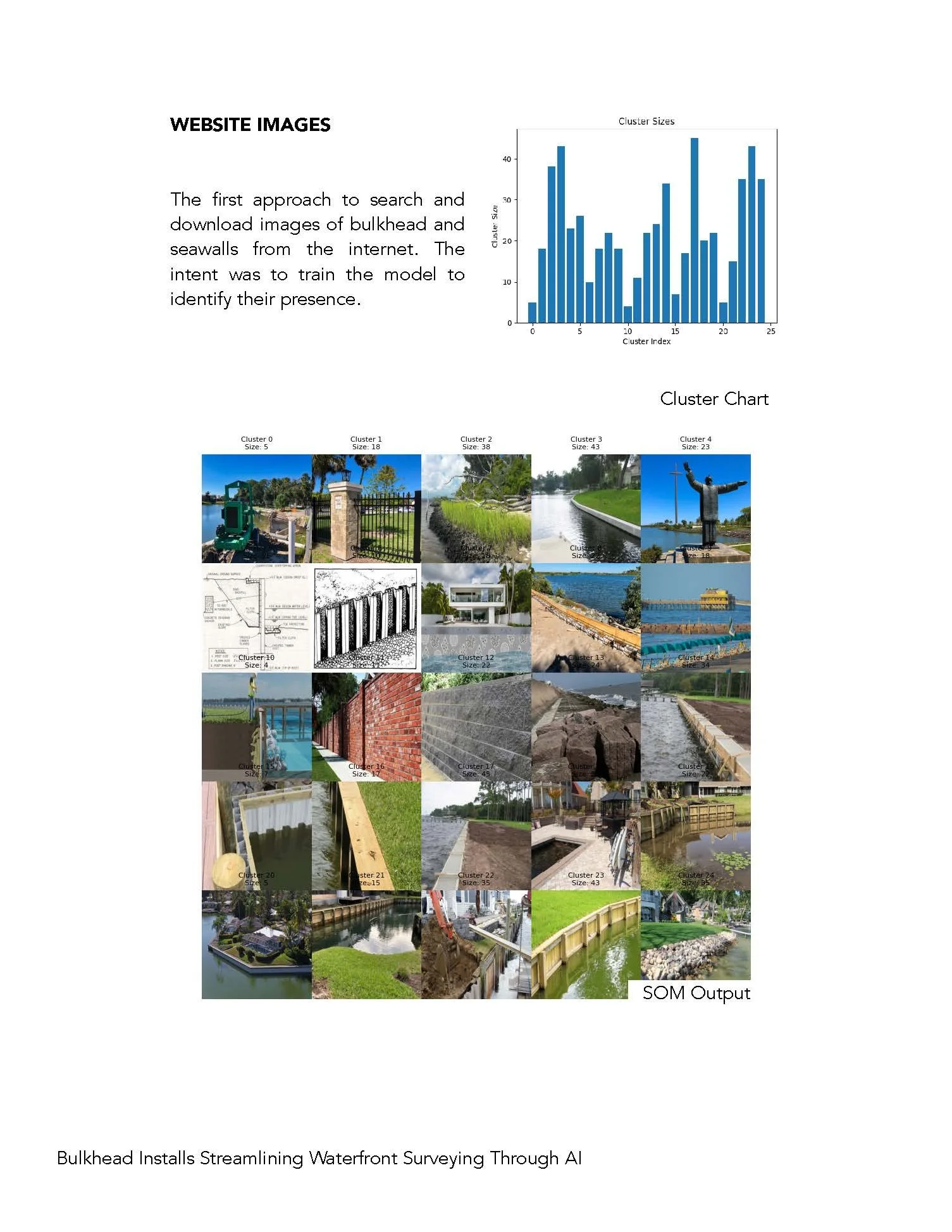
Website image dataset with SOM output and cluster chart.
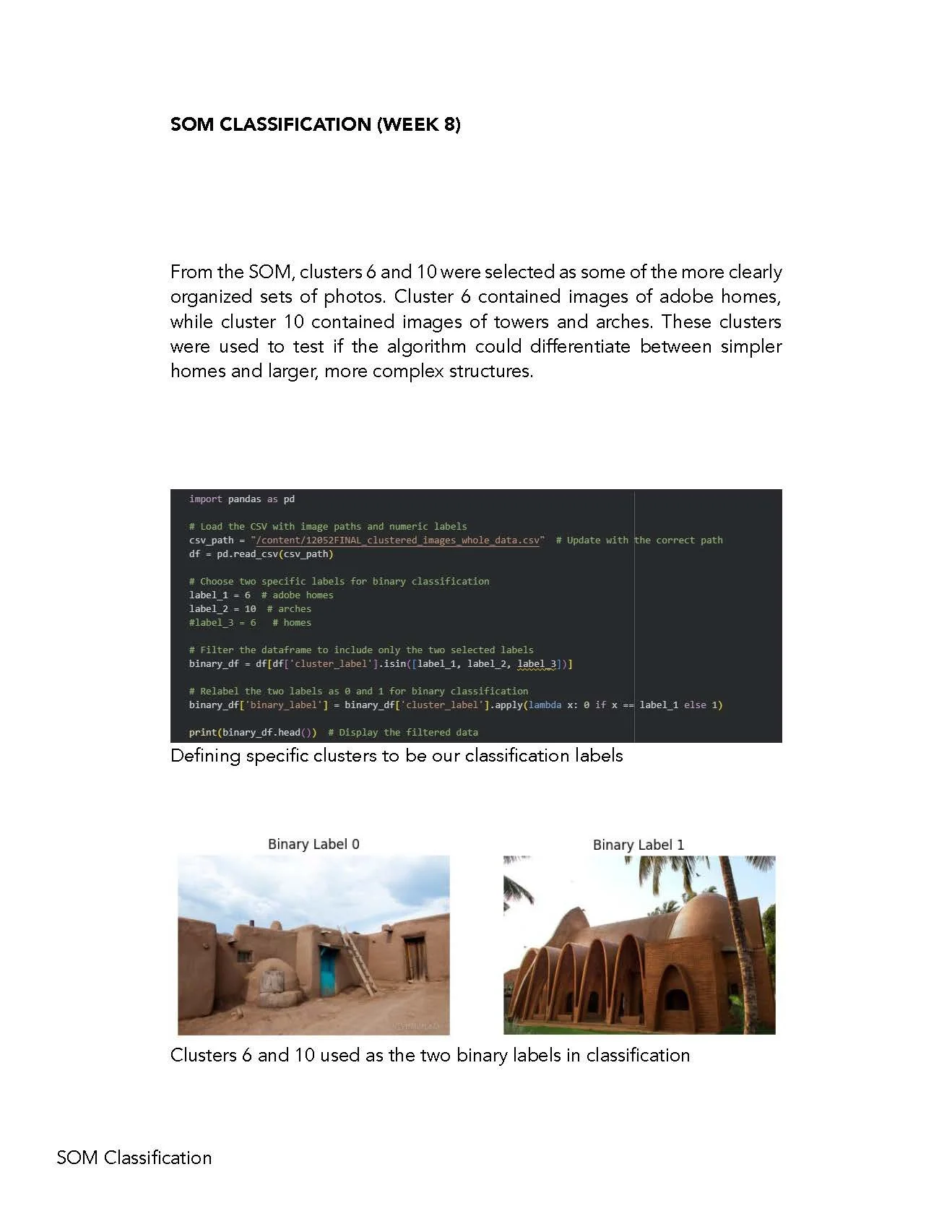
SOM classification process for selecting image clusters.
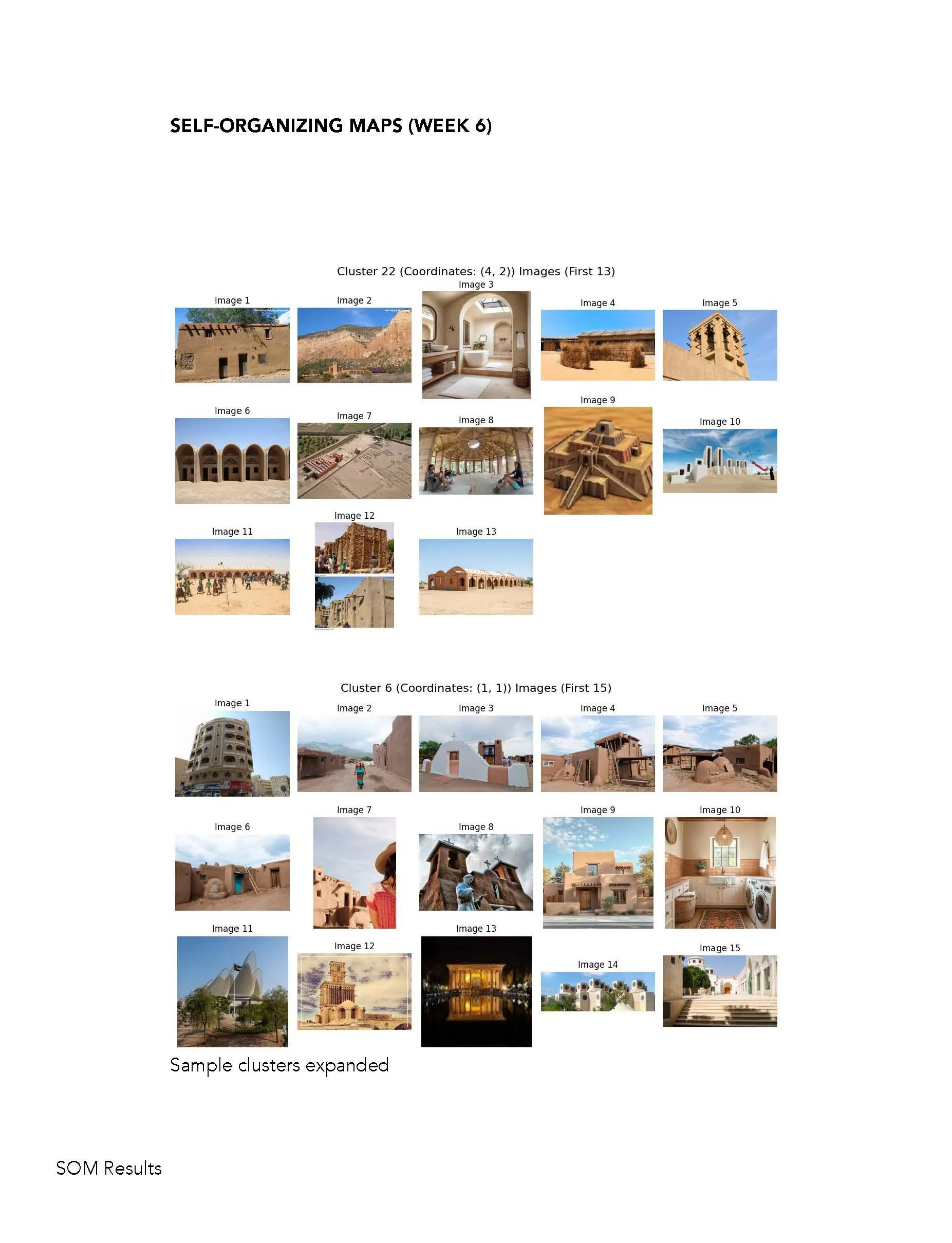
SOM results showing expanded architectural image clusters.
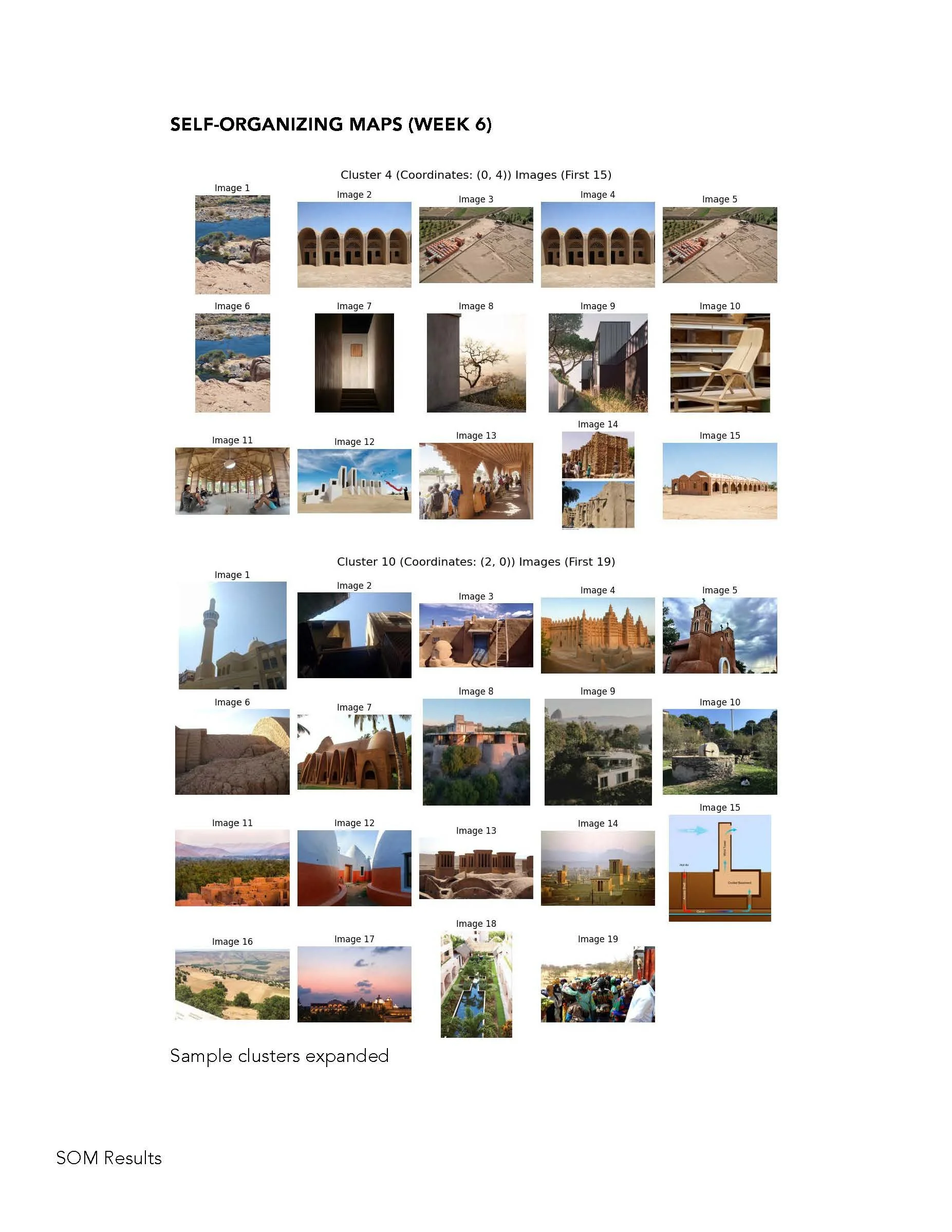
SOM results comparing multiple architectural image clusters.
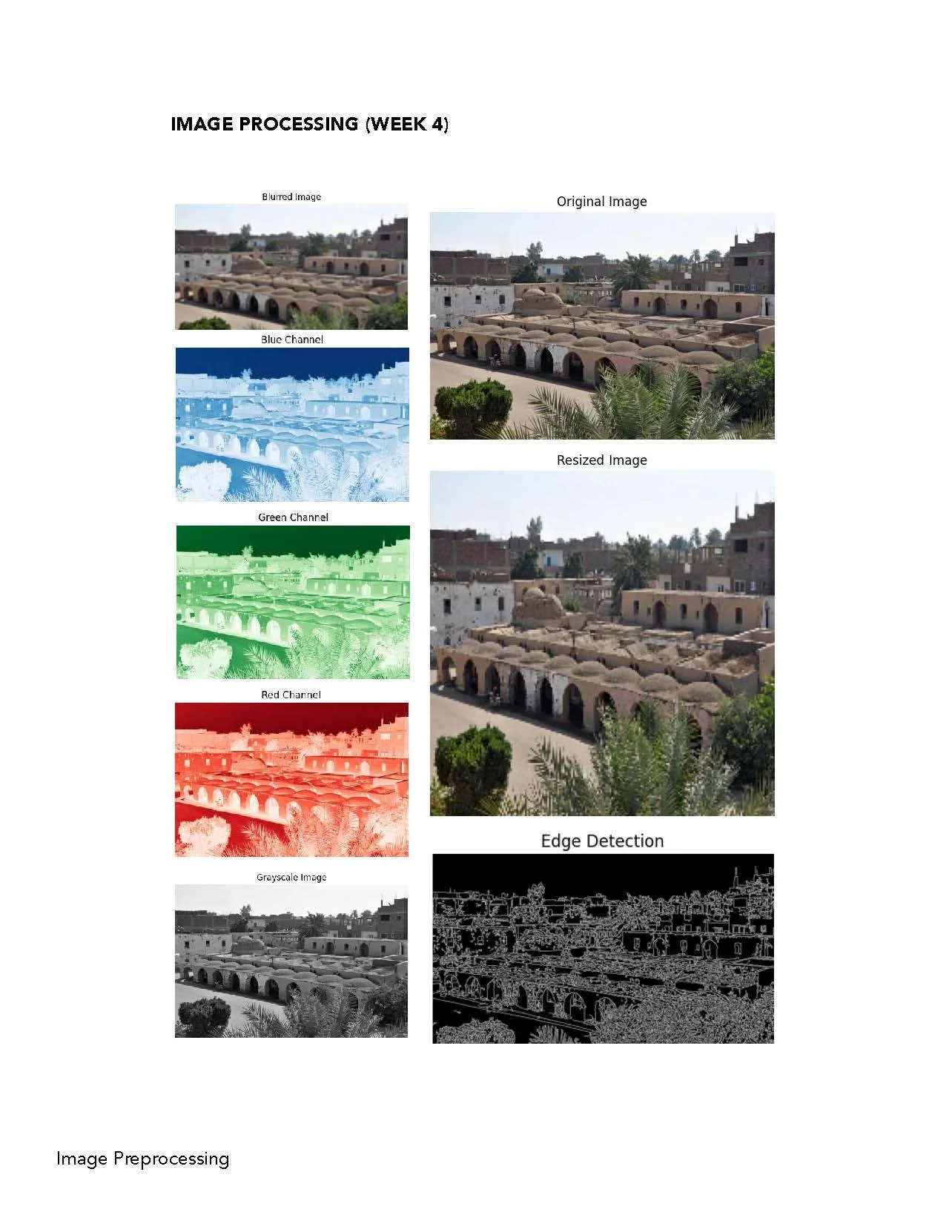
Image preprocessing with color channels and edge detection.
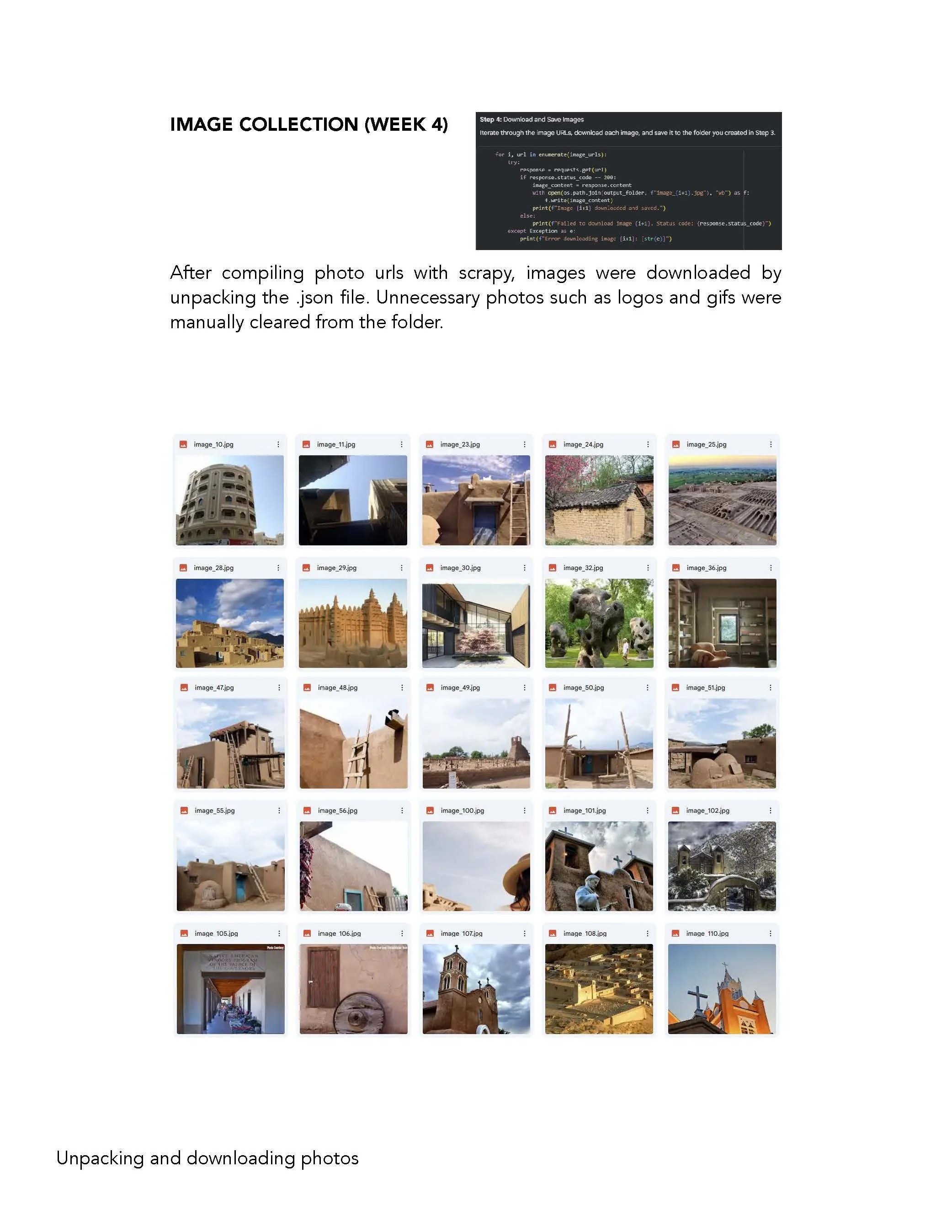
Image collection process for architectural dataset preparation.
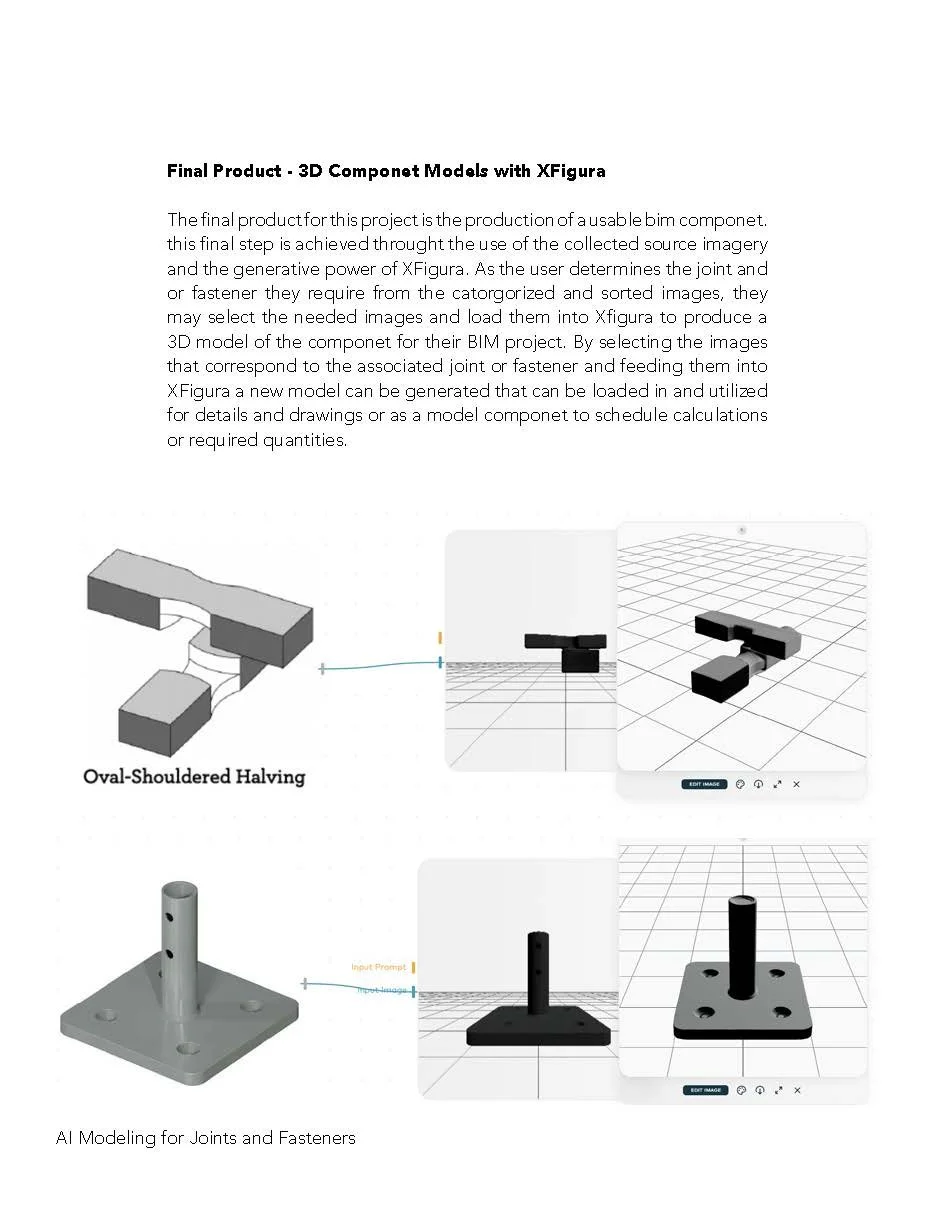
AI-generated 3D component models for joints and fasteners.
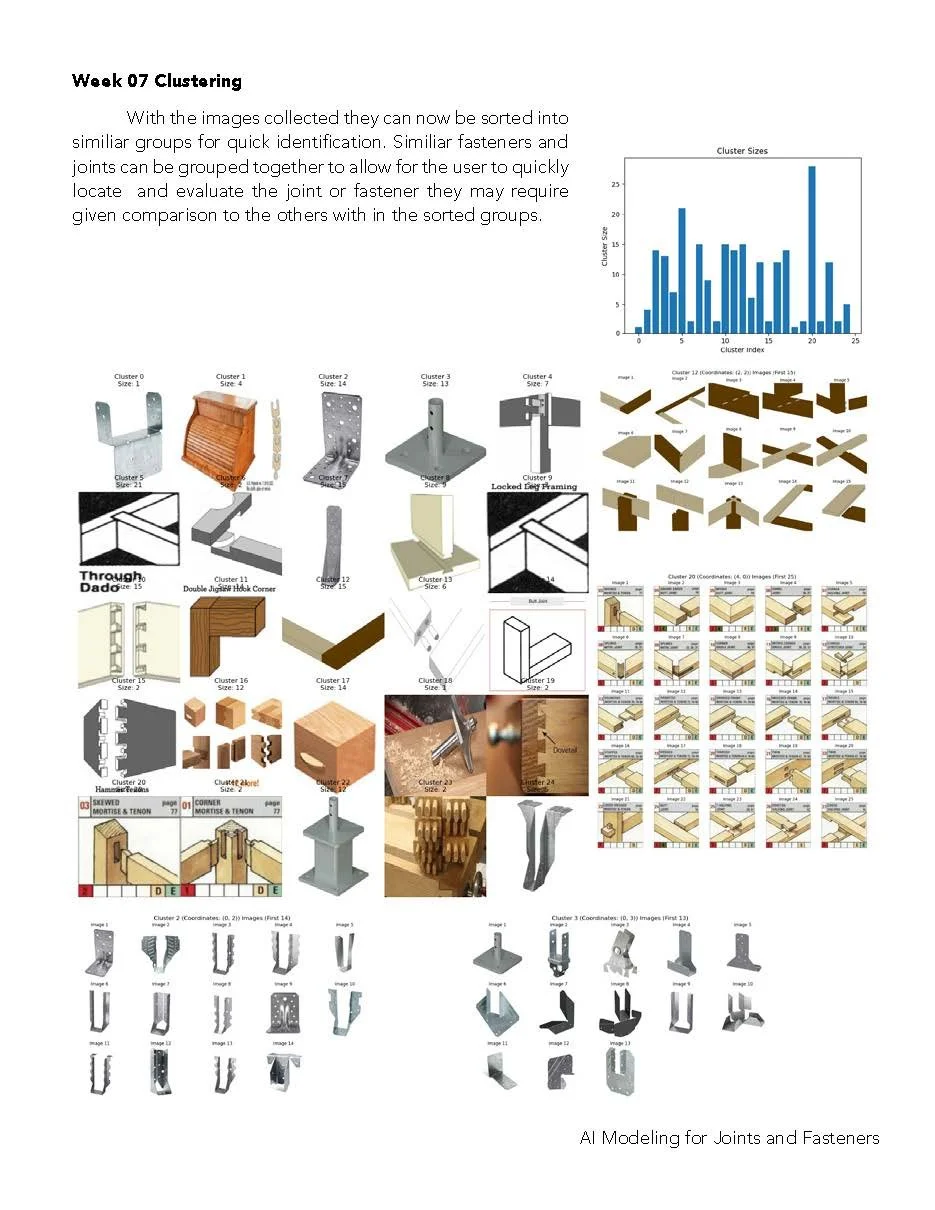
Clustering process for joints and fasteners datasets.